







Home / Postgraduate

5-yr Integrated M.Tech. in Biotechnology

An integrated programme that builds strong foundations in biological sciences and advanced training in biotechnology for research and industry pathways.

Programme overview 

This programme is designed for students who wish to pursue an in-depth and continuous academic pathway in the life sciences. We integrate undergraduate and postgraduate study, enabling students to build conceptual depth, research capability, and technical competence over five years.

Integrated academic progression

A structured pathway that moves seamlessly from foundational science to advanced biotechnology and research.

Strong life sciences foundation

Core learning in biology, chemistry, mathematics, and related sciences that underpin biotechnology.

Research-oriented training

Exposure to laboratory work, data analysis, and supervised research projects.

Preparation for advanced pathways

Academic grounding that supports doctoral research, industry roles, and interdisciplinary careers.

Programme details

Programme structure

The programme is organised to support gradual academic progression and increasing specialisation.

  • Years 1–2: foundations: core courses in biological sciences, chemistry, mathematics, and introductory biotechnology concepts.
  • Years 3–4: advanced biotechnology: specialised coursework in biotechnology, laboratory techniques, and interdisciplinary applications.
  • Year 5: research and specialisation: advanced electives and a substantial research project or thesis under faculty supervision.

This structure enables students to develop both breadth and depth across life sciences and biotechnology.

Sr. No.Course CodeCourse TitleLTPCredits
1BT 1101 / BT 1102Basic Mathematics / Introduction to Biology*3003
2BT 1103Introduction to Biotechnology2002
3BT 1104Chemistry of Biomolecules3024
4PH 1103Physics for BT & CB3125
5ES 103Earth and Environmental Sciences2002
6HS 1101English0303
7HS 1102Media Project0021.5
8FS 1103French – I0200.5
9HS 1104Introduction to Entrepreneurship0031
Total Credits22
Sr. No.Course CodeCourse TitleLTPCredits
1BT 1205Genetics2124
2BT 1206Biodiversity & Global Conventions1001
3BT 1207Basic Mathematics II3104
4EE 1204Basic Electronics & Applications2124
5CH 1202Chemistry II2023
6CS 1101Introduction to Computing2124
7HS 1201Entrepreneurship Practice0021
8HS 1202Professional Ethics0101
9HS 1203French – II0200.5
Total Credits22.5
Sr. No.Course CodeCourse TitleLTPCredits
1BT 2108Enzymes & Metabolism3024
2BT 2109Microbes & Immune Systems4025
3BT 2110Cell & Molecular Biology3024
4BT 2111Probability & Biostatistics2124
5HS 2101Lean Start-up (Fractal)0031
6HS 2102Principles of Economics (Fractal)3001.5
7HS 2103French – III0200.5
Total Credits20
Sr. No.Course CodeCourse TitleLTPCredits
1BT 2212Omic Technologies3024
2BT 2213Gene Technology2044
3BT 2214Bioprocess Technology3024
4BT 2215AI & Data Science for Biotechnologists3024
5HS 2201Design Thinking1022
6HS 2202Financial Accounting3001.5
7HS 2203French – IV0200.5
Total Credits20
Sr. No.Course CodeCourse TitleLTPCredits
1BT 3116Animal Cell & Tissue Culture Technology2044
2BT 3117Bioinformatics & Computational Biology3024
3BT 3118Agriculture Biotechnology3024
4BT 3119Bioprocess Design & Upscaling3024
5BT 3020Elective – I3003
6BT 3021Elective – II3003
7HSS Elective – I2002
Total Credits24
Sr. No.Course CodeCourse TitleLTPCredits
1BT 3222Synthetic Biology & Applications3024
2BT 3223Food Processing & Nutrition3024
3BT 3224Good Manufacturing & Regulatory Practices1011.5
4BT 3025Elective – III3003
5BT 3026Elective – IV3003
6HS 3201Introduction to Professional Development2002
7HSS Elective – II2002
Total Credits19.5
Sr. No.Course CodeCourse TitleLTPCredits
1BT 4227Green Biotechnology3003
2BT 4228Research Methods & IPR3003
3BT 4027Elective – V3003
4BT 4028Elective – VI3003
5M.Tech CoreCore Course3003
6M.Tech CoreCore Course3003
7HSS Elective – III2002
Total Credits20
Sr. No.Course CodeCourse TitleLTPCredits
1M.Tech CoreCore Course3003
2BT-0000Elective – PG3003
3BT-0000Elective – PG3003
4BT-0000Elective – PG3003
5BT-0000Elective – PG3003
6BT-0000Literature Review3003
7HSS Elective – III2002
Total Credits20
Sr. No.Course CodeCourse TitleLTPCredits
1PR-0000M.Tech Thesis004020
Total Credits20
Sr. No.Course CodeCourse TitleLTPCredits
1PR-0000M.Tech Thesis004020
Total Credits20

Learning outcome

Mahindra University offers an internationally trained faculty with strong industry and research backgrounds. The curriculum is regularly reviewed and updated to remain aligned with global industry and academic standards.

Upon completing the programme, students will be able to:

  • Evaluate biotechnology research and business practices in relation to ethical, inclusive and equitable standards.
  • Formulate research questions and develop solutions to contemporary challenges in biotechnology using a multidisciplinary approach.
  • Apply a range of laboratory techniques to design, conduct and analyse experiments addressing biotechnology problems.
  • Critically assess scientific literature in the context of real-world applications across biotechnology domains.
  • Demonstrate professional networking, leadership, communication and collaboration skills relevant to biotechnology research and industry.

Programme highlights

Flexible and customisable specialisation tracks that allow students to pursue specific areas of interest in biotechnology.

Rigorous scientific training supported by an advanced research thesis.

Hands-on experience through independent research projects at the University or collaborative projects with biotechnology and pharmaceutical industries.

Opportunities to publish research in scientific journals, present at international conferences and file patents.

Continuous mentorship and professional development support throughout the programme.

Interaction with researchers and industry experts through guest lectures and academic collaborations.

A final-year master’s thesis that enables students to develop in-depth research expertise supported by strong laboratory training.

Career avenues

Mahindra University’s location in Hyderabad—one of India’s leading life sciences and pharmaceutical hubs—provides strong industry linkages with biotechnology companies, R&D institutions and global organisations.

Students also benefit from international academic collaborations, enabling exchange opportunities and joint research supervision with faculty from reputed global institutions.

Graduates are prepared for diverse career paths, including:

  • Research scientist roles in laboratories focused on biotechnology applications in medicine, agriculture and industry.
  • Positions in regulatory affairs related to drug approvals and biotechnology products.
  • Management and leadership roles within biotechnology and pharmaceutical companies.
  • Opportunities with organisations investing in biotechnology innovation.
  • Roles supporting biotechnology-related legal and regulatory services.
  • Careers in research and development, process operations, product development and technical sales.
  • Academic careers in scientific research and teaching.

Research and application areas

Biomanufacturing and green products

Applies engineered biological systems to produce chemicals and biomolecules using sustainable, biologically derived processes. The field supports green manufacturing across healthcare, agriculture, food, and specialty chemical industries.
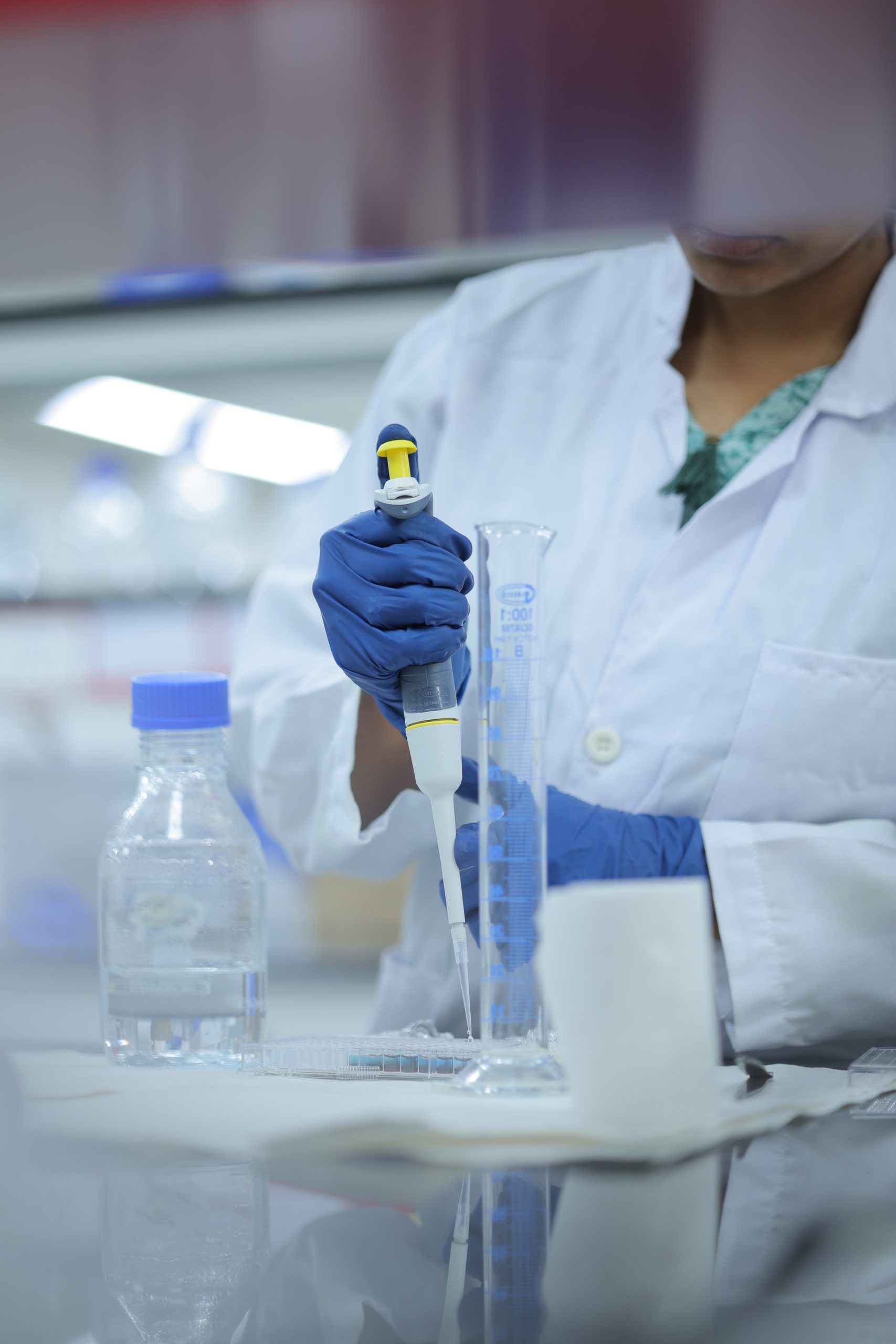
Biopharmaceutical technology

Focuses on the development of biologics such as antibodies, vaccines, and nucleic acid–based therapeutics. The domain spans drug discovery, biosynthesis, formulation, delivery systems, and regulatory pathways.
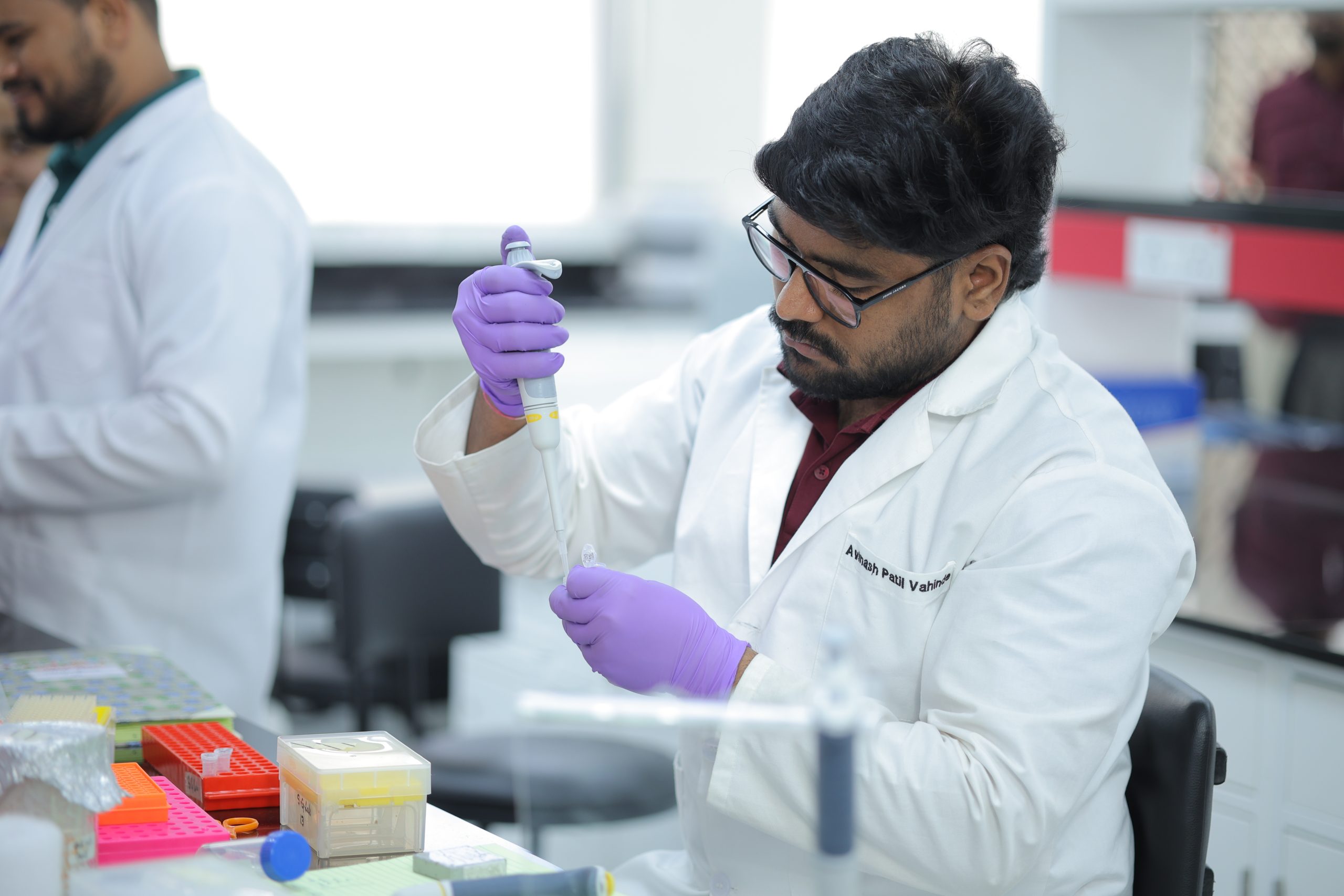
Diagnostics

Focuses on the development of molecular and analytical tools for early and accurate disease detection. The domain integrates biology, chemistry, engineering, and data analysis to support clinical and public health diagnostics.

Food processing and nutrition

Explores scientific and technological approaches to food preservation, fortification, and processing. Emphasis is placed on improving shelf life, nutritional quality, hygiene, and food security through process optimisation.

Gut microbiome

Studies the role of gut microorganisms in human health and disease, spanning nutrition, immunity, metabolic disorders, and neurological development. The field supports both diagnostic biomarker discovery and therapeutic interventions.
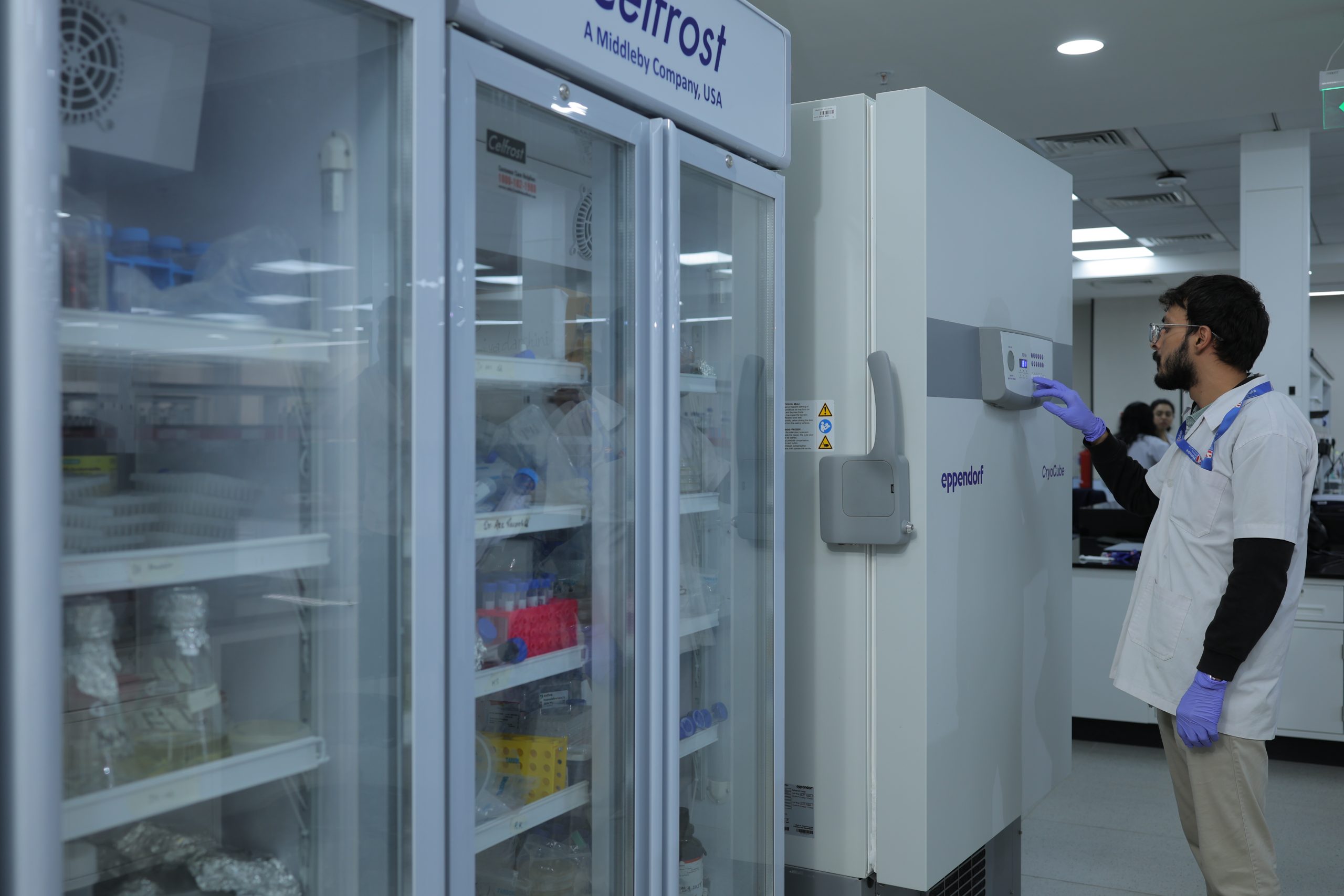
Precision medicine

Centres on tailoring medical treatment based on individual genetic and molecular profiles. The domain integrates genomics, diagnostics, and data analytics to improve treatment effectiveness and reduce adverse outcomes.
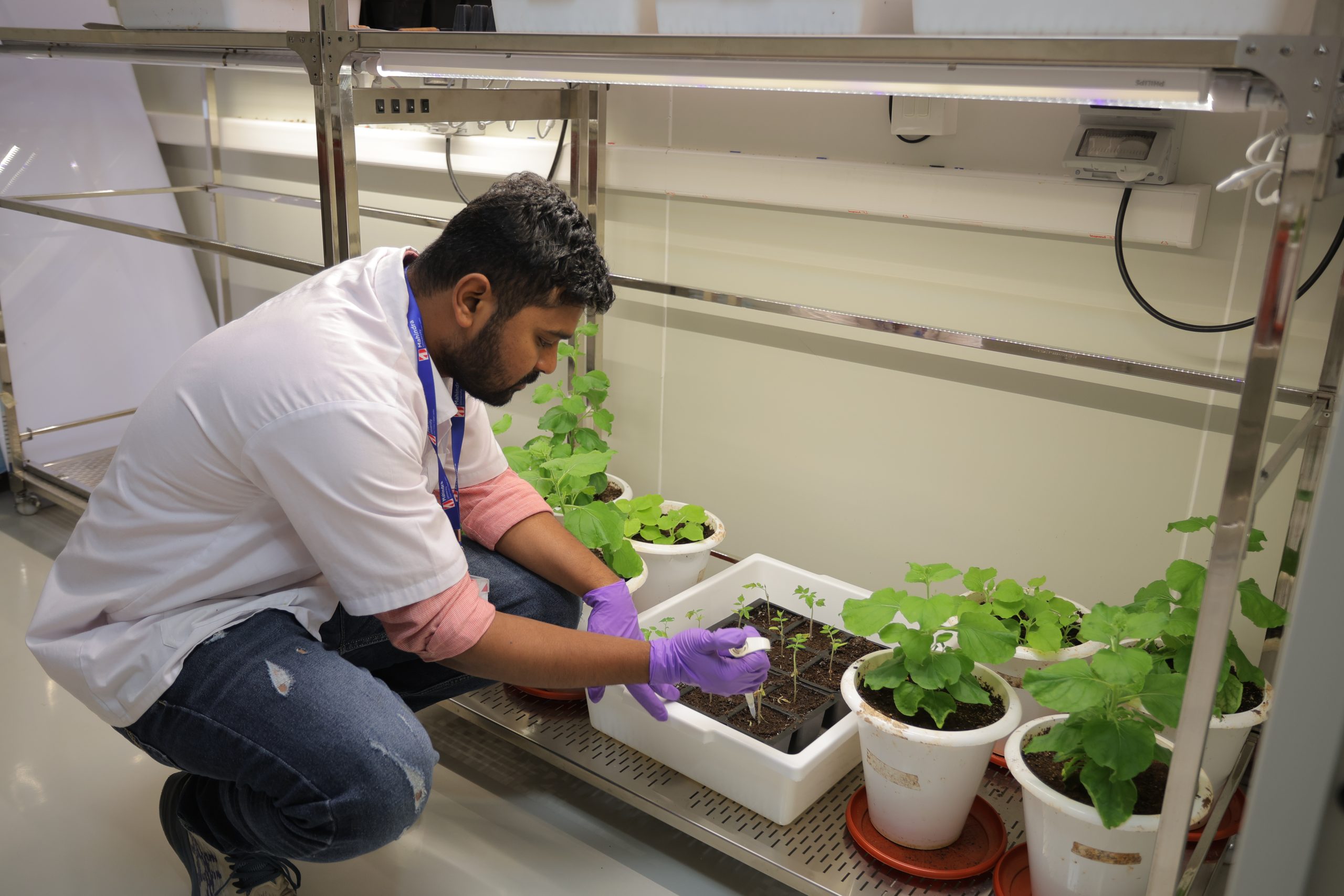
Digital agriculture

Applies data, sensors, analytics, and digital platforms to optimise agricultural productivity and sustainability. The focus includes precision farming, decision support systems, and proactive resource management.
Pharmaceutical biotechnology

Applies biotechnological principles to drug development, from molecular design and expression to purification, stability assessment, delivery systems, and clinical translation.

Biomarkers

Centres on identifying and validating biological indicators associated with disease diagnosis, progression, and therapeutic response. The area supports applications in diagnostics, monitoring, and precision medicine.

FAQs

The programme is a five-year, full-time integrated M.Tech degree.

An integrated programme offers academic continuity, early exposure to advanced coursework, and structured preparation for research and higher study.

Yes. Research-led learning and a substantial project or thesis form a core part of the programme, particularly in later years.

Yes. The programme prepares students for doctoral research and advanced academic pathways.

Yes. Laboratory-based learning is integrated across multiple stages of the programme.

Start your journey with us

Home / Postgraduate

M.Tech. in Sustainability

The Master’s in Sustainability programme aims to prepare industry-ready professionals and innovative researchers who can address pressing global sustainability challenges.

M.Tech in sustainability overview 

To develop engaged professionals capable of solving real-world sustainability challenges through education, research, innovation and collaboration. This vision aligns with the Centre for Sustainability at Mahindra University, which aims to build a more equitable world where human societies live in harmony with nature.Students will learn to:

Collaborate effectively

in multidisciplinary teams and engage stakeholders through clear and impactful communication.

Analyse the interconnected nature

of climate change, ecosystems, energy systems, built environments and public policy to support environmental, social and economic prosperity.

Evaluate complex sustainability challenges

and design evidence-based strategies using systems thinking and cross-sectoral perspectives.

Apply sustainability knowledge

through fieldwork, case studies, internships and global learning opportunities.

Programme details

Why choose M.Tech in Sustainability at Mahindra University?

World-class faculty: Learn from globally experienced faculty and visiting experts in climate science, green infrastructure, sustainable business and policy.

Hands-on experience: Gain practical exposure through laboratories, fieldwork, internships and real-world projects with industry and community partners.

Interdisciplinary curriculum: The curriculum integrates technical, scientific and social perspectives to address complex sustainability challenges. Courses incorporate tools such as simulations, life cycle assessment, AI/ML applications and systems thinking.

Research opportunities: Participate in applied research with Mahindra University’s centres and laboratories, collaborate with external partners and contribute to research publications.

Focus on employability: Designed to meet the needs of the green economy, the programme emphasises project-based learning, industry exposure and innovation-driven coursework to develop job-ready skills.

Expected career pathways

Graduates of the programme may pursue careers across multiple sectors, including:

  • Consulting firms – sustainability strategy, ESG reporting, climate risk assessment and sustainable operations.
  • International non-profit organisations (NPOs) – climate adaptation, sustainability programmes and global development initiatives.
  • Industry – sustainable manufacturing, environmental compliance, green product development and corporate sustainability.
  • Think tanks and research institutions – sustainability policy research, climate modelling and evidence-based policy recommendations.
  • Academia – teaching, interdisciplinary research and knowledge dissemination.

Programme focus areas

The programme offers foundational courses along with specialised learning across four key areas.

Sustainable ecosystems

This focus area addresses environmental and ecological sustainability challenges such as water resource management, biodiversity conservation and the relationship between demography and business sustainability. It also examines themes including nature-based solutions, climate communication, climate justice and equity, and climate policy, politics and law.

Sustainable energy systems

This track explores the transition to cleaner and more resilient energy systems. Students learn about renewable energy technologies, energy footprint analysis and energy policy frameworks. The curriculum integrates engineering principles with sustainability goals and prepares graduates to lead innovations supporting the global energy transition.

Sustainable built environments

This area focuses on designing and managing environmentally responsible and climate-responsive buildings and urban systems. Topics include building performance simulation, urban land-use dynamics, urban microclimates, green building rating systems and air quality management. Students learn to design climate-resilient built environments using data-driven methods and integrated systems thinking.

Social sustainability and policy

This focus area examines the social dimensions of sustainability, including governance, social justice, community wellbeing and inclusive planning. Students learn participatory methods, stakeholder engagement strategies and policy evaluation frameworks to design equitable and resilient development pathways.

Total credits required to graduate: 67 credits
Total instructional hours: 1,120 hours (14 hours per credit)

S. No.CourseCredits
1Introduction to sustainability2
2Research methods for sustainability3
3Programming for sustainability4
4Environmental economics and sustainable finance3
5Climate solutions3
6Carbon accounting, climate risk and reporting4
7Systems thinking3
S. No.CourseCredits
1Circular economy and life cycle assessment (LCA)4
2Energy systems3
3Sustainable water resource management3
4Business and climate communication2
5Climate policy, politics and law3
6Sustainable manufacturing and supply chain3
7Geospatial analytics for environment3

Summer internship

Students select three electives from the focus areas below.

Focus areaCredits
Social sustainability3
Sustainable built environment3 + 3
Sustainable energy systems3 + 3
Sustainable ecosystems3 + 3
Project / pre-thesis4

Students complete a master’s thesis or extended internship, focusing on applied research or real-world sustainability challenges.

Career roles

  • Sustainability consultant
  • Sustainability manager
  • Environmental scientist
  • Environmental specialist
  • Sustainability solutions specialist
  • Energy specialist
  • Energy manager
  • Life cycle assessment (LCA) specialist
  • Policy advisor
  • Research associate

Eligibility

Applicants from any undergraduate discipline are welcome, provided they are interested in sustainability and interdisciplinary problem-solving.

Requirements include:

  • A full-time undergraduate degree of four years from a recognised university or institute.
  • A minimum aggregate score of 60% or an equivalent grade.
  • A minimum CGPA of 6.0 on a 10-point scale or equivalent.
  • Candidates in their final semester of undergraduate study are also eligible to apply.

Admission process

  • Applicants with a three-year undergraduate degree must have a minimum aggregate of 60% and a qualifying score in GATE, CUET (PG) or another recognised national or state-level postgraduate entrance examination.
  • Shortlisted candidates from all eligibility routes will be invited for a personal interview as part of the final selection process.

FAQs

The programme is a two-year full-time postgraduate degree consisting of four semesters. It includes coursework, electives, internships and a final thesis or research project.

Students from any undergraduate discipline can apply, provided they have a minimum of 60% marks or a CGPA of 6.0 on a 10-point scale. Final-year undergraduate students are also eligible to apply.

Students can pursue advanced learning through focus areas such as sustainable ecosystems, sustainable energy systems, sustainable built environments and social sustainability & policy.

Yes. The programme includes a summer internship or industry project, along with research opportunities and a final thesis or extended internship in the fourth semester.

Graduates can pursue careers in sustainability consulting, environmental research, energy management, ESG and climate policy advisory, as well as roles in industry, international organisations, think tanks and academia.

Start your journey with us

Home / Postgraduate

M.Tech in structural engineering for working professionals

A two-year postgraduate engineering programme structured for practising professionals to advance expertise in structural engineering while continuing their careers.

Programme overview 

The M.Tech in structural engineering for working professionals equips practising civil engineers with specialised knowledge in structural analysis, dynamics, design and advanced construction concepts. It blends rigorous coursework with applied learning and a project/dissertation component over four semesters, with classes scheduled on weekends to accommodate ongoing professional commitments.

Weekend-friendly delivery

that supports continued professional engagement without compromising work responsibilities. 

Deep technical foundations

in structural analysis, dynamics, advanced design and contemporary construction techniques. 

Applied research through project work

 that enables integration of theory with real engineering challenges. 

Exposure to advanced tools and methods

such as finite element analysis and structural health monitoring.

Programme details

Programme objectives

  • Equip the students with the basic scientific thought for a creative engineering background to address problems with a global comprehension and perspective.
  • Impart critical analytical skills required to plan, design, construct, maintain and rehabilitate infrastructure needs for a sustainable future.
  • Ensure interdisciplinary comprehension of projects using appropriate technologies to meet the implementation challenges faced by society.
  • Capable of communicating and exhibiting ethical leadership qualities while working in diverse teams.
  • Adopt to changing global needs by constantly updating their knowledge through continued acquisition lifelong.

Civil engineering laboratory

The labs of the civil engineering department play a pivotal role that provide hands-on learning in shaping future engineers. The state-of-the-art laboratories allow students to apply classroom knowledge to real-world challenges. Structural health monitoring lab, geotechnical engineering lab, concrete and advanced concrete lab, transportation engineering lab, and surveying lab are some of the labs set up at the University.

Core laboratoriesResearch laboratories/facilitiesResearch centresComputational facilities
Advanced concrete technology labAdvanced geotechnical labCentre for sustainable infrastructure and systemsHigh-performance computational facilities
Building information modeling labSmart & sustainable materials laboratoryCentre of excellence in artificial intelligenceAUTOCAD & Revit architecture
Structural health monitoring lab3D concrete printerBENTLEY academic suite (open roads, STAAD PRO, RAM connections, foundation design)
Uniaxial shake tableETABS
Controls testing facility (Compression, flexure, fracture, load-CMOD)Seismostruct
XRD – X-Ray diffraction lab (central facility)MIDAS
ACCA tools (building information modeling)
VISSIM, VISUM, VISWALK, VISTRO
PLAXIS 2D
Diana
LS-DYNA
ArcGIS
MATLAB
Python

Eligibility

  • Applicants must be employed professionals holding B. Tech in Civil Engineering with at least 60% aggregate marks.
  • Applicants must have a minimum of one year of work experience after the completion of the degree.

Duration

  • Two Years

Schedule

Our programs are scheduled for weekends, allowing the working professionals to maintain their job while working towards a master’s degree.

Fee structure

The fee for Mahindra University’s Civil Engineering Weekend PG Programs for Working Professionals is Rs. 2,00,000 per annum.

* Option to pay fees using an easy EMI with 0% interest and 0 down payment

Admission process

Curriculum

Students need to take 16 courses towards coursework for a duration of 4 semesters and complete one project/dissertation. Semester wise list of courses.

Semester ISemester IISemesterSemester IV
Structural dynamicsFinite element methodAdvanced foundation engineeringBridge engineering
Analysis of framed structuresAdvanced steel designTall buildingsStructural health monitoring
Advanced reinforced concrete designAdvanced cementitious compositesRepair and rehabilitation of structuresPre-engineered buildings
Theory of elasticityBuilding information modelingPrestressed concretePrecast construction and design

Programme features & strengths

School Icon

Faculty with doctorates from premium institutions

The faculty with the doctorate from premier institutions in India and abroad brings in a lot of research experience along with the skill set ethos required to nurture and strengthen the program. Particularly, the strong theoretical and computational background of the faculty at MU would allow us to provide this academic program with a significant practical component. Faculty of the department are also working on public and private funded projects of worth more than 2 crores.

School Icon

Strong industry connect

Civil Engineering Department is associated with several industries like Ramboll, L&T, Tandon Consultants, STUP Consultants, Aarvee Associates, Thornton Tomasetti, Atkins, Arup, MIDAS, CSIESPL (ETABS), Design Werkz Eng Pvt Ltd., Nanospan, Murugappa Group, Smart Built Prefab Pvt. Ltd., Techfab India, Bentley, PSV Precast, METEY Engineering and Consultancy Pvt. Ltd, SatyaVani Projects And Consultants Pvt. Ltd., and other structural engineering firms in the country

School Icon

Strong connect with professional bodies

American Society of Civil Engineers, Indian Geotechnical Societym Indian Concrete Institute, Indian Institute of Bridge Engineers, Indian Association of Structural Engineers, Precast Society India, Association of Consulting Civil Engineers, and RILEM.

School Icon

Interactive learning

Our dynamic classrooms, equipped with world-class laboratories and cutting-edge technology, foster experiential learning through Outcome Based Education, encouraging students to engage in lively discussions, solve real-world problems via case studies, and directly apply their knowledge to their jobs.

School Icon

Networking opportunities

Expand your professional network by collaborating with peers from diverse industries and accessing our alumni network for long-term career support.

FAQs

Civil engineers and professionals working in structural design, construction, infrastructure or related sectors seeking advanced technical upskilling while maintaining employment. 

The programme spans two years, delivered over four semesters.

Yes. The weekend-based format is specifically structured to allow continuation of professional duties alongside study. 

Yes. Students complete a project/dissertation component that synthesises learning and technical insight.

The curriculum comprises core and elective courses that evolve with academic board approval.

Start your journey with us

Home / Postgraduate

M. Tech in highway engineering for working professionals

An advanced postgraduate programme designed to develop specialised expertise in highway engineering while enabling professionals to continue working.

Programme overview 

The M.Tech in highway engineering for working professionals equips practicing engineers with in-depth knowledge and practical skills in highway materials, traffic engineering, geometric design, pavement analysis and related domains. The weekend-based structure allows candidates to pursue higher education without pausing their careers, blending coursework with a dissertation project over four semesters.

Balanced specialist curriculum

Covering highway materials, traffic engineering, geometric design, ground improvement and advanced field testing.

Weekend-friendly schedule

tailored to professionals who wish to study alongside full-time employment.

Hands-on laboratory exposure

through material testing and software-based field testing labs that support applied learning.

Capstone-style research project

 enabling students to apply theory to real-world engineering challenges.

Programme details

Programme objectives

  • To impart comprehensive knowledge on the elements of transportation to meet current and future challenges.
  • To prepare for working in an interdisciplinary environment with advanced technologies to solve complex transportation problems
  • To inculcate social responsibility, reflective learning, and professional ethics throughout their careers.

Programme specific objectives

  • Apply fundamental knowledge of highway for planning, design, construction, operation, and maintenance of sustainable infrastructure
  • Utilize modern equipment and software to progress a career in academics, industry, and research in the field of highway
  • Exhibit leadership qualities with an ethical attitude and ability to engage in lifelong learning

Civil engineering laboratory

The labs of the civil engineering department play a pivotal role that provide hands-on learning in shaping future engineers. The state-of-the-art laboratories allow students to apply classroom knowledge to real-world challenges. The department boasts of various dedicated labs having up to date and top-notch laboratory infrastructure. Design studio lab with a facility of AR/VR integration, Highway materials lab, GeoPave research lab, transportation system engineering lab, structural health monitoring lab, geotechnical engineering lab, concrete and advanced concrete lab, surveying lab are some of the labs set up at the University.

Apart from conventional labs, it also features specialized facilities like the materials hub for sustainable alternatives, the iMaS lab for intelligent mobility and transportation systems, and the ecosphere lab, which focuses on developing nature-based solutions aligned with the UN Sustainable Development Goals (SDGs). Other key labs include InfraVision (for BIM and Digital Twin technologies), GEMS (for geospatial surveying), NDT Lab, and the crafting lab. Collectively, these laboratories equip students with physical and digital tools from field sensors and drone systems to advanced simulation software to confidently tackle real-world challenges in infrastructure development, sustainable resource management, and resilient urban planning.

Eligibility, schedule, & duration

Eligibility
  • Applicants must be employed professionals holding B. Tech in Civil Engineering with at least 60% aggregate marks.
  • Applicants must have a minimum of one year of work experience after the completion of the degree.
Duration
  • Two Years
Schedule:

Our programmes are scheduled for weekends, allowing the working professionals to maintain their job while working towards a master’s degree.

Fee structure

The fee for Mahindra University’s civil engineering weekend PG programmes for working professionals is Rs. 2,00,000 per annum.

Admission structure

Curriculum

Semester ISemester IISemester IIISemester IV
Highway Materials, Testing & CharacterizationPavement Analysis & DesignElective – IIIProject Phase – II
Traffic EngineeringUrban Transportation Planning / PMSElective – IV
Geometric DesignGround Improvement Techniques & GeosyntheticsProject Phase – I
Elective – IElective – II
Material Testing LabAdvanced Materials & Field Testing / Software Lab

FAQs

Engineers and professionals working in highway, transportation or infrastructure sectors who want specialised academic training without interrupting their careers.

Yes. The weekly schedule is structured to accommodate professionals with employers’ support.

Core laboratory sessions in material testing and advanced field testing support applied understanding.

Yes. A dissertation project spans two semesters and culminates in a documented research output.

Electives provide flexibility and are offered based on academic approval to complement core learning.

Start your journey with us

Home / Postgraduate

Masters in Business Administration (MBA)

A two-year full-time postgraduate management programme designed to equip future business leaders with strategic insight, practical skills and industry readiness. 

MBA at Mahindra University overview 

Mahindra University’s MBA, offered by the School of Management, prepares students for leadership roles in business and industry by blending analytical rigour, experiential learning and real-world application. The programme is built around the “AIM” framework — Application, Industry readiness and Market relevance, enabling learners to tackle contemporary business challenges and drive impact.

Foundational management education

Core courses in strategy, finance, marketing and operations that build strong managerial foundations. 

Specialisation choices

Electives and focus areas that allow students to tailor learning to emerging business domains. 

Industry immersion and projects

Case studies, field engagements and capstone projects that bridge theory with practice. 

Residential learning environment

A fully residential campus culture fosters collaboration, peer interaction and leadership development.

Start date

The program duration is for 2 years and classes starts in June/July

International immersion

The program includes an international immersion where all students will be required to go an international trip to gain an appreciation of international diversity and develop the mindset of a global manager.

Each year, the trip may be to a different location like Europe, China, Australia, Africa etc.

Curriculum

The curriculum has been carefully designed to impart the following skills;

  • Business knowledge
  • Analytical & critical thinking skills
  • Communication skills
  • Business IT tools skills

This is done by offering a common core subjects in the first year that will include life skills courses in addition to core business courses. The second year will consist of electives and the students will have the option of choosing up to two specializations from the available options listed below

Specialisations

The MBA program currently offers the following specializations.

  • Business Analytics
  • Finance
  • Digital Business
  • Human Resource Management

The MBA admission eligibility requirements are designed to ensure applicants have the necessary academic qualifications and aptitude for management studies. Candidates must meet the prescribed MBA eligibility criteria before applying to the program.

Educational Qualification:
  • Bachelor’s degree or equivalent in any discipline.
  • You are eligible to apply if you are in your final year of undergraduate program. However, you will have to submit the final transcript and degree before commencement of classes.
Standardized Test Scores:
  • GMAT: Please request for the official GMAT scores to be sent to us directly by GMAC. The GMAT program code is JXX-TZ-44.
  • CAT: Please submit your CAT scores to Mahindra University.
  • GRE: Please submit your official GRE Score
  • MUMET (Mahindra University MBA Entrance Test): Those who don’t have GMAT/GRE/CAT can take MUMET test
  • The first step is to complete an online application. You may start the application by clicking HERE
  • The application will consist of the following sections
    • Personal Details
    • Contact Information
    • Academic Details
    • Standardized test details
    • One written essay
    • One video essay
    • Upload scans of documents like Passport/Aadhaar and academic transcripts & certificates (from class X onwards)
  • Only applications that are complete in all respects shall be processed further. Remaining applications may be put on a waitlist or admission may not be considered for further processing
  • Some applications shall be shortlisted for interviews that may be held online or in person
  • The final decision shall be announced after the interviews
  • A valid passport shall be mandatory prior to joining the program.
  • The program aims to admit high caliber students and the selection shall consider a mix of the following attributes:
    • Consistently high academic record
    • Good scores in GMAT/CAT/GRE/MUMET
    • Good communication skills
    • Extra-curricular achievements
    • Maturity
  • All these criteria shall be evaluated through the written application and the interview. It is therefore important that close attention is paid while completing the application and preparing to face the interview
CategoryAcademic feesHostel chargesCaution deposit
Indian Students₹ 9,00,000*₹ 2,10,000₹ 20,000 

Financial aid: Deserving candidates shall be eligible for financial aid from the university

** The fee includes the cost of international immersion along with travel and accommodation (Food & incidental expenses to be borne by students).
* Books, Purchase of laptops and software needed for the program

A one-time Non-Refundable Alumni Membership Deposit of ₹10,000 will be deducted from the caution deposit at the time of graduation.

The programme includes a compulsory international immersion, during which students participate in an overseas visit to gain exposure to global business environments, cultural diversity and international management practices.

The destination may vary each year and may not necessarily involve a partner university or institution. This experience is designed to help students develop a global perspective and the mindset of an international manager.

The fee payment is to be made as per the following schedule.

Fee DescriptionAmountDeadline
Tuition Fee – 1st Instalment₹ 4,50,000as per admission offer
Tuition Fee – 2nd Instalment₹ 4,50,00030 Nov 2026
Tuition Fee – 3rd Instalment₹ 4,50,00030 June 2027
Tuition Fee – 4th Instalment₹ 4,50,00030 Nov 2027
Fee DescriptionAmount 
Caution Deposit (Refundable*)₹ 20,000 
Hostel Fee – 1st Year₹ 2,10,000* (including food) 
Hostel Fee – 2nd Year₹ 2,10,000* (including food) 
Notes:
  • Refund policy is as per UGC guidelines
  • Security deposit is refundable after graduation from the program (after deductions, if any)
  • Disclaimer– Please note that both the Caution deposit and hostel fee must be paid before the commencement of classes. Hostel fee is subject to revision.
  • Excludes Alumni Fee
  • The university has hostel facilities for both boys and girls, and staying in the hostel is mandatory.

Collateral Free Educational Loan Offered by IDFC Bank & ICICI Bank to Eligible candidates. For Details, please contact the below mentioned.

IDFC Bank:
Name: Rajesh Modem
Mobile Number: +91-9550765234
Email Id: rajesh.modem@idfcbank.com

ICICI Bank:
Name: Abhilash Mukherjee
Mobile Number: +91-9163194983
Email Id: abhilash.mukherjee@icicibank.com

Name: Ashwin Bm
Mobile Number: +91-9985784567
Email Id: ashwin.bm@icicibank.com

Important dates

Aspiring students can apply for MBA admission to gain advanced knowledge in management, leadership, and strategy.

Application deadlineResultApplication fee
15 April 202615 May 2026₹ 1,000

Career services

The program will offer full suite of career services including summer internships and campus placements. Students shall be groomed for corporate roles through the curriculum, soft-skills training, resume workshops, interview preparation and interaction with industry and HR professionals.

Placement Highlights

  • Highest CTC Secured: INR 16 LPA
  • Top Quartile Average CTC: INR 15 LPA
  • Average CTC: INR 11 LPA

Internship

Every first-year student undertakes a two-month internship with a company during the summer months at the end of the first year of the program.  The summer internship is an integral part of the MBA Program. The university assists all eligible students in finding suitable summer internships. The summer internship carries 6 credits. A number of well-known companies have recruited our students for internships in the past. They include:

INR 16 LPA

Highest CTC secured

INR 15 LPA

Top quartile average CTC

INR 11 LPA

Average CTC

Alumni network

As a graduate, you will join the prestigious alumni network of the university—gaining not only lifelong friendships with your classmates but also access to a thriving community of professionals and entrepreneurs. Our alumni network is a powerful platform that opens doors to career opportunities, mentorship, and potential business collaborations.
To keep this community vibrant and connected, the university regularly hosts talks, networking sessions, and social gatherings, enabling alumni to stay engaged with their alma mater while building new professional relationships and strengthening old ones.

FAQs

The MBA at Mahindra University is a two-year full-time residential programme.

Valid scores from tests such as CAT, GMAT, GRE or MUMET are considered as part of the selection process.

Yes. Graduates from any recognised undergraduate discipline are eligible to apply, provided they meet other admission requirements.

Yes. The programme includes an international immersion experience designed to broaden global business perspective.

Yes. Practical engagements such as projects and field assignments are key components of the MBA experience.

Start your journey with us

Home / Postgraduate

M.A in Journalism and Mass Communication

A 2-year postgraduate programme that builds strong conceptual foundations and practical expertise in journalism, media production and strategic communication in a digital age.

M.A in journalism and mass communication overview

The M.A. in Journalism and Mass Communication equips students with critical and practical skills across journalism, media, digital communication and strategic storytelling. Designed by the School of Digital Media and Communication, the programme combines theory with hands-on media practice to prepare graduates for responsible and informed roles in the evolving media landscape. Students experience:

Broader subject coverage

Including media ethics, digital journalism, media theory and practical reporting, to build strong conceptual and technical grounding.

Hands-on experience

through media projects, content creation and digital media training that mirror real-world newsroom demands.

Academic exposure beyond the classroom

Engage regularly with seminars, workshops and collaborative assignments that connect academic knowledge with evolving media trends.

Individual mentoring

Ongoing faculty guidance to refine communication, research and critical thinking skills that prepare students for the media industry or academic work.

Programme details

Strands of study

The MJMC programme offers students the opportunity to explore specialised areas within media and communication that share common competencies while requiring distinct skill sets. All degree programmes begin with a set of foundational courses that include several practice-based modules.

During this phase, students engage with diverse learning methods such as lectures, laboratory sessions, fieldwork, independent study, library research, guest lectures and guided self-learning. The curriculum helps students understand the practical complexities of the field while strengthening their conceptual grounding in journalism, filmmaking and communication management. This integrated approach prepares graduates who are technologically proficient, ethically grounded and equipped with both conceptual and practical skills.

The curriculum includes the following strands of study:

  • News media and journalism
  • Filmmaking and media
  • Digital media and communication management

The academic experience is further strengthened through exposure to industry and societal practices. Practitioners and faculty guide students through simulations and real-world scenarios common to the media industry. These experiences include:

  • Social sensitisation internship
  • Industry internship within one of the programme strands
  • Programme-end internship in a specialised domain
  • Field visits and industry reports
  • Guest lectures by industry professionals
  • Workshops and masterclasses in specialised areas (for example, gaming and AI in media production)
  • Iterative independent projects and practice-based work.

Assessment

Assessment is designed to track each student’s evolving understanding throughout the programme. Continuous evaluation helps measure learning progress while providing constructive feedback. These assessments contribute to the final grade and are based on clearly defined, measurable outcomes.

Regular class participation and attendance are important components of learning, as they enable students to engage actively with concepts and discussions. While examinations are conducted, the programme places greater emphasis on continuous learning and practical engagement.

Course instructors, in consultation with the Dean, determine the syllabus and grading structure. Each assessment component contributes to the final grade to encourage consistent student engagement throughout the semester.

Typical grading distribution

  • Research / role-play / debate / presentations / flipped classes – 20%
  • Class quizzes / in-class tests / assignments – 25%
  • Midterm examination – 15%
  • Semester-end examination or final project – 30%
  • Class participation – 10%

Assessment methods may vary depending on the course and instructor. Participation is an essential component of evaluation, and attendance may be used as an indicator of active engagement in class discussions.

The programme uses percentage-based evaluation rather than fixed score points. Each graded component—such as assignments, presentations or examinations—is evaluated initially as if it were out of 100 and later weighted according to its assigned percentage.

This approach encourages balanced responses and avoids unnecessary emphasis on answer length or scoring structure. It also allows instructors flexibility in designing meaningful assessments that prioritise learning outcomes rather than rigid grading formats.

With the increasing availability of AI-generated content, the programme emphasises assessment formats that reflect genuine student understanding. Greater focus is placed on in-class evaluations, including presentations, discussions, tests and examinations.

While plagiarism detection tools are available, the primary objective of assessment is to understand each student’s individual learning progress. Faculty members are encouraged to design innovative evaluation methods that prioritise original thinking and authentic student work.

The pedagogical and investigative framework of the programme is guided by five overarching goals. While these goals apply across undergraduate and postgraduate offerings at the School of Media and Communication (SDMC), their depth and application vary according to the academic level.

1. Building competencies
Develop professionals with strong critical thinking, ethical grounding and rigorous practice. The programme emphasises competency beyond technical skills, enabling students to analyse problems, question established practices and develop innovative solutions.

2. Understanding contemporary media practices
Adopt a student-centred approach that connects academic learning with real-world media environments. Engagement with industry practitioners, internships and applied learning activities help students bridge the gap between theory and professional practice.

3. Nurturing communicative societies
Prepare students to understand social realities and the rapidly evolving communication ecosystem. Social sensitisation initiatives expose students to diverse communities and perspectives, encouraging responsible and socially aware communication practices.

4. Practising interdisciplinarity
Integrate media and communication studies with insights from social sciences, humanities and technology. This interdisciplinary perspective equips students to address complex challenges in modern communication environments.

5. Progressive learning approach
Adopt a structured learning model that moves from broad foundational concepts to specialised knowledge. This progressive approach enables students to develop deeper understanding and practical expertise over time.

Aligned with the broader programme philosophy, the MJMC programme aims to achieve the following outcomes:

1. Critical thinking: Develop professionals and researchers who challenge conventional approaches and explore innovative solutions.

2. Understanding change: Equip students to navigate evolving technological, social, cultural and policy environments within the media ecosystem.

3. Interdisciplinary learning: Encourage broad-based knowledge combined with specialised expertise across communication domains.

4. Enabling emerging media societies: Leverage new technologies to support interactive, personalised and diverse communication systems.

5. Diverse learning methods: Promote experiential learning through classroom engagement, fieldwork and student-led projects.

The MJMC programme combines structured academic learning with professional exploration. Over four semesters, students progress from foundational coursework to specialised and output-driven learning.

  • Semesters 1 and 2: Broad foundational courses across media and communication domains.
  • Semesters 3 and 4: Specialised learning with increasing emphasis on independent or collaborative projects that demonstrate analytical and creative competencies.

Internships form an essential component of the programme and help bridge academic learning with professional practice. Students gain hands-on experience through structured industry and social engagements.

The programme includes:

  • Social sector internship or initiative (4–6 weeks) at the end of the first semester
  • Mandatory industry internship (10–12 weeks) at the end of the second semester
  • Optional industry internship during or after the final semester

The social sensitisation internship provides students with exposure to diverse social environments, enabling them to understand broader societal contexts and responsibilities as communication professionals.

Internship performance is assessed through organisational feedback and student presentations reflecting their learning and professional experience.

The school supports students in transitioning to professional careers through structured placement assistance. A dedicated placement committee facilitates industry connections and recruitment opportunities. While placements are not guaranteed, students receive guidance to prepare for careers in the communication industry.

Course TitleCredits
History and Growth of Communication2
Contemporary Media Business2
Communication Research I2
Visual Literacy3
Media Psychology2
Journalism and News3
Audiovisual Communication2
Brands, Advertising, and Strategic Communication3
Course TitleCredits
Social Sensitization Internship5
Communication Research II3
Writing for Media I3
Project Management in Mediated Communication3
Social Media3
Media Theory3
Media Policy, Law2
Media Ethics2
Course TitleCredits
Industry Internship I (8 weeks)9
Writing for Media II3
Media Production I5
Documentary Film Production5
Integrated Strategic Communication I5
Specialized Communication3
Course TitleCredits
Media Production II5
Media, Society and Culture2
Integrated Strategic Communication II5
Media Entrepreneurship3
Final Project9

Eligibility:

  • Graduate in a 3 or 4-year degree programme from Indian (CGPA 6/10) or foreign university (GPA 3.5/4) with 60% marks in core subjects and 60% in language subjects.
  • Degree should be in an area that is core: Journalism, Mass communication, Media studies, Advertising, Public relations, Communication management, Digital media, Computational media.Or a related domain:
    • Any subject in Arts, Humanities or Social Sciences
    Or other domain:
    • Such as sciences, engineering, etc.
    • Some work experience is welcome but not necessary.

Admission process: 

Admission test followed by interview where a statement of purpose and other documents will be required for final evaluation.

Fee structure (per annum):

ComponentAmount
Academic fees₹ 2,00,000
Hostel charges (optional)₹ 2,10,000
Caution deposit*₹ 20,000

*Refundable at the end of study or graduation. All fees are subject to revision each year. 

Important dates:

EventDate
Last date to apply for 1st round of admissions3 May 2025
1st round of personal interviews9 May 2025
Last date for receipt of applications9 July 2025

*Dates and schedules are subject to change. 

The MJMC programme prepares graduates for three broad pathways: industry practice, research careers and entrepreneurship.

Many careers in media and communication involve project-based work. Whether in journalism, filmmaking, advertising, public relations or digital communication, professionals are expected to manage projects from ideation to execution. As a result, graduates develop strong skills in coordination, storytelling, analysis and production.

Research training is an integral component of the programme. Students develop the ability to investigate problems systematically, apply analytical methods and generate new insights. This research-oriented approach encourages independent thinking and prepares students for both professional practice and advanced academic pursuits.

Graduates may pursue roles across a wide range of organisations and sectors, including:

News and media organisations

  • Digital and multimedia news desks
  • Investigative and data journalism teams
  • Social media desks at news platforms
  • Business, sports, culture, health and environment reporting teams
  • AI-enabled newsrooms

Digital and content industries

  • Digital content and marketing agencies
  • Web content and SEO development firms
  • Podcast production studios
  • AR/VR/XR storytelling and immersive media agencies

Film, entertainment and creative industries

  • Entertainment production houses and OTT platforms
  • Documentary and commercial film production
  • Visual effects (VFX) and animation studios
  • Game design studios

Communication and corporate sectors

  • Advertising agencies (creative, production and media teams)
  • Public relations consultancies
  • Corporate communication and brand communication divisions
  • Corporate filmmaking and CSR divisions

Research and development

  • Research foundations and think tanks
  • Non-governmental organisations (NGOs)
  • Publishing houses

Higher education

  • Ph.D. programmes in journalism studies, media studies, communication studies and related disciplines.

FAQs

Graduates with a recognised bachelor’s degree (3 or 4 years) in core media fields or related domains such as arts, humanities, social sciences, digital media and communication can apply, provided they meet the 60% entry requirement. 

Yes. The curriculum blends theoretical study with practical media work in digital, broadcast and multimedia formats to ensure industry-relevant skills.

Graduates may work in journalism, media production, digital communication, public relations, content strategy, media research and allied communication roles.

Yes. Merit-based and need-based scholarships and financial aid options are offered; details are provided in the official admission notifications.

Start your journey with us

Home / Postgraduate

M.A in Education

A two-year postgraduate programme that combines rigorous academic study with close faculty mentoring and sustained engagement with contemporary educational thought and practice.

M.A in education overview 

The M.A. in Education is designed for graduates who want to think deeply about education and its role in society. Students develop strong analytical, reflective and practical capabilities that support careers across education, research, policy and allied fields. Students experience:

Discussion-led learning

Small, interactive classes that examine education through social, cultural and theoretical perspectives.

Project-based engagement

Coursework and group projects that connect academic ideas with real educational questions and contexts.

Academic exposure beyond the classroom

Participation in seminars, workshops and outreach activities that deepen understanding of learners, schools and systems.

Individual mentoring

Ongoing faculty guidance to strengthen research skills, academic writing and professional communication.

Programme details

The M.A. programme includes 11 core (mandatory) courses, 5 elective courses, and skill/practice-based modules, which comprise two mandatory modules and several choice-based options.

  • In Semester 1, students complete five core courses (CC) and two mandatory skill/practice-based modules (SB) to build a strong academic foundation.
  • In Semester 2, students take four core courses (CC), one elective course (EC) and two skill-based modules (SB).
  • In Semester 3, the curriculum includes two core courses (CC), two elective courses (EC) and two or three skill-based modules to choose from.
  • In Semester 4, students complete two elective courses (EC) and undertake their dissertation.

Courses (core and electives)

  • Foundational courses
  • Discipline-based courses
  • Sector-based courses
  • Theme-based courses
  • Integrated courses combining sectoral and thematic perspectives

Field engagement

  • Intensive field experience
  • Fieldwork report

Skill and practice-based modules

  • Hands-on, practice-oriented module courses

Dissertation

  • Identification and development of a research problem
  • Literature review, findings and analysis
  • Final presentation of the research work
Course TypeCourse TitleCredits
CoreEducation in India: Themes & Perspectives4
CoreTexts, Institutions and Transformation: A History of Indian Education3
CoreSociety, Culture and Education3
CoreLearner, Learning and Development3
CoreUnderstanding Economy & Education3
Skill/Practice-basedIntroduction to Academic Writing2
Skill/Practice-basedUnderstanding and Using Educational Data2
Course TypeCourse TitleCredits
CoreFoundations of Social and Educational Research4
CoreEducational Ideas and Thought3
CoreChildren and Childhoods3
CoreEducation Policy in India3
ElectiveSector-Based Elective (Select any one)*3
Skill/Practice-basedChoice-Based Module (1)1
Skill/Practice-basedChoice-Based Module (2)1
Skill/Practice-basedChoice-Based Module (3)1
Course TypeCourse TitleCredits
CoreResearch Design and Methods – 24
CoreCurriculum and Pedagogy4
ElectiveTheme-Based Elective (e.g., Urban & Education; Values & Education; Educational Leadership; Teacher Education; Diversity, Marginality & Education)4
ElectiveDiscipline-Based Elective (e.g., History of Science & Tech Education; Advanced Sociology of Education; Advanced Economics of Education; Advanced Psychology of Education)4
Skill/Practice-basedChoice-Based Module (1)2
Skill/Practice-basedChoice-Based Module (2) / Optional1
Course TypeCourse TitleCredits
ElectivePolitical Economy of Higher Education4
ElectiveEvolution of the Modern University4
ElectiveFeminist Pedagogy4
ElectiveEducational Assessment & Evaluation4
ElectiveSchooling in a Changing Society / Sociology of School in India4
DissertationMaster’s Dissertation (Compulsory)12

Eligibility

Applicants must meet one of the following criteria:

  • A bachelor’s degree in any discipline with a minimum of 55% marks, or
  • A B.Ed. or B.El.Ed. degree with a minimum of 55% marks, or
  • A valid CUCET (PG) score.

These requirements ensure that applicants have the appropriate academic background to pursue advanced studies in education. Shortlisted candidates will be invited for a panel interview.

Application and admission procedure

Applicants seeking admission to IMSE – Mahindra University should follow the steps below:

Step 1

  • Apply online through www.mahindrauniversity.edu.in by completing the application form.
  • Upload a recent scanned photograph during online registration.
  • Follow the instructions to pay the registration and processing fee of ₹1,000.

Payment through demand draft

  1. Obtain a Demand Draft (DD) of Rs. 1000 from any Scheduled Bank in favour of “Mahindra University” payable at Hyderabad, India.
  2. Fill DD details in the DD payment option in the Application Portal and please include Student Name, Application No. & Mobile Number along with the DD on a separate paper which has to be sent to the below address: (The photocopy of the Demand Draft is to be kept for further reference.)
    Admissions Office
    Mahindra University
    Survey No: 62/1A, Bahadurpally, Jeedimetla,
    Hyderabad – 500043, Telangana, INDIA

Online payment through credit card

Applicants may also pay the application fee online using a Mastercard or Visa card by following the instructions provided on the application portal after registration.

Online payment through netbanking

  • Applicants may also transfer the registration fee to the Mahindra University account using the net banking option after completing the registration process.
  • The application fee for the M.A. (Education) programme is ₹1,000.
  • All disputes between the applicant and Mahindra University shall be subject to the exclusive jurisdiction of the courts in Hyderabad, and may be resolved through arbitration as applicable.

Step 2:

Applicants must ensure that the following steps are completed on the application portal:

  • Update all relevant academic details in the application form.
  • Upload the required scorecards and supporting documents.
  • Select the preferred course in the application portal.
  • Complete and submit the application form online.

Only duly completed and eligible applications will be considered for admission in accordance with the University’s guidelines.

Applicants will be shortlisted based on their academic credentials and/or CUCET (PG) scores. Shortlisted candidates will be invited to attend a physical or virtual interview.

Candidates who are selected after the interview will receive an admission offer via email, along with further instructions from the University.

Please note that submission of an application does not guarantee admission. Final selection is subject to evaluation by the selection panel and availability of seats at the time of allocation.

Fee structure (per annum):

The fee structure for the M.A. in Education programme is outlined below. Hostel accommodation is optional.

Fee componentAmount
Academic fees₹1,00,000
Hostel charges₹2,10,000
Caution deposit*₹20,000

*Refundable at the end of the programme or upon graduation. All fees are subject to revision as per University norms.

Important dates

Aspiring candidates are invited to apply for admission to the M.A. (Education) programme and pursue advanced study in the field. Applicants are advised to note the admission deadlines to ensure timely submission of their applications.

Admission milestoneDate
Last date for submission of applications – First round25 February 2025
Last date for submission of applications – Second round17 March 2025
Virtual/physical interviews for selection24 March 2025
Announcement of results7 April 2025
Commencement of Fall 2025 semester teachingAugust 2025

Note: Dates and schedules are subject to change.

Outcomes

This programme is designed to help graduates translate academic depth into meaningful professional and intellectual pathways across education systems.

Graduates of the M.A. in Education are prepared to:

  • Build conceptual and analytical clarity around education, society, culture, and policy
  • Conduct independent academic and field-based research, including qualitative inquiry and critical writing
  • Contribute to curriculum design, academic content development, and teacher education initiatives
  • Engage with education-focused organisations, including NGOs, policy bodies, schools, and research institutions
  • Progress toward doctoral study (PhD) in education or related social science disciplines

The programme emphasises reflective thinking, structured argumentation, and research readiness—skills that remain relevant across teaching, policy, research, and leadership roles within education.

FAQs

This programme is well suited for graduates who are interested in understanding education beyond classroom practice, whether from perspectives of policy, society, culture, or research. It attracts aspiring educators, researchers, curriculum designers, and professionals looking to work in education-focused organisations.

No. Teaching experience is not mandatory. The programme is open to graduates from any discipline and includes foundational coursework that helps students from non-education backgrounds engage confidently with education studies.

Graduates move into roles such as educators, curriculum associates, academic researchers, programme officers in NGOs, education consultants, and policy or research assistants. Some also use the programme as preparation for doctoral study in education or allied fields.

Research is a core component of the programme. Students engage in close reading, academic writing, seminars, and a structured thesis in the later semesters, building strong preparation for research-intensive roles or further study.

Unlike professional teacher-training degrees, this programme focuses on education as a field of inquiry. It emphasises theory, research, and critical engagement with educational systems rather than instructional methods alone.

Start your journey with us

Home / Postgraduate

M.Sc. by Research in Biotherapeutics

A research-driven Master’s programme focused on biologic-based medicines made from biological sources, addressing the discovery and manufacture of modern biotherapeutic products.

M.Sc. by research in biotherapeutics overview 

Biotherapeutics are biologic-based medicines used for the treatment of certain diseases. This programme is designed to build competencies aligned with the needs of industry and academia through structured coursework, laboratory exposure and extended research. The focus is on end-to-end discovery and manufacturing of biotherapeutic products. Students experience:

Biotherapeutic product focus

Exposure to biosimilars, vaccines, recombinant proteins, monoclonal antibodies, gene therapies, ADCs, siRNAs, mRNA drugs, CAR T-cell therapies and microbiomes.

Bioprocess and manufacturing training

Learning across upstream and downstream processing, continuous manufacturing, multi-product operations and green manufacturing practices.

Regulatory and analytical grounding

Coverage of compliance, regulatory affairs, pharmacovigilance, analytical characterisation and process analytical technology.

Research-intensive learning

One year of exclusive research focused on biotherapeutic discovery and manufacturing.

Programme details

Academic structure

Duration: 2 years / four semesters

Total credits: 80

Course CodeCourse TitleL–T–PCredits
BT5120Introduction to Biotherapeutics and Techno-commercial Landscape2-0-02
BT5121Biosimilars2-0-02
BT5122Molecular Basis of Disease and Disease Models3-0-03
BT5123Biotherapeutic Modalities3-0-24
BT5124Bioprocess Technology: Upstream and Downstream3-0-24
BT5125Biostatistics & Data Analysis2-0-23
BT5126Biomanufacturing Biotherapeutics2-0-02
Course CodeCourse TitleL–T–PCredits
BT5227Pharmacology and Toxicology3-0-24
BT5228Biopharmaceutical Bioinformatics3-0-24
BT5229Analytical & Functional Characterization of Biotherapeutics3-0-24
BT5230Formulation Development and Delivery Systems3-0-03
BT5231Quality, Regulatory Affairs & Compliance2-0-02
BT5232Pharmacovigilance1-0-01
BT5233Biotech Entrepreneurship and IPR Considerations2-0-02
Course CodeCourse TitleL–T–PCredits
BT5334Research Project or Internship0-0-4020
Course CodeCourse TitleL–T–PCredits
BT5435Research Project or Internship0-0-4020

Eligibility:

Qualifying Degree: B.Sc. (Biological Sciences/non-Medical) / B.Sc. (4-year program) / MBBS /BDS /B.Pharm./ B.Tech./ B.V.Sc.

Marks / CGPA / CPI in qualifying degree

  • A minimum of 60% marks in aggregate, OR
  • a first class as specified by the university, OR
  • a minimum cumulative grade point average (CGPA) / cumulative performance index (CPI) of 6.0 on the scale of 0-10; OR
  • an equivalent to 6.0 on other corresponding proportional requirements when the scales are other than 0-10.

Fee structure (per annum):

ComponentAmount
Academic fees (per annum)₹ 1,00,000

Competencies & Research Focus:

This programme builds industry-relevant competencies and research depth aligned with current and emerging needs in biotherapeutics, spanning manufacturing, analytics, regulation and advanced therapeutic platforms.

Competencies developed

AreaCompetencies
BiomanufacturingContinuous manufacturing, upstream and downstream processing, multi-product operations
Quality & complianceCompliance and regulatory affairs, pharmacovigilance integration
Sustainable practicesGreen manufacturing
Process monitoringProcess analytical technology
AnalyticsAnalytical characterisation
Digital & technical skillsComputer-aided drug designing, technical report writing

Research focus: biotherapeutic products

CategoryFocus areas
BiologicsBiosimilars, vaccines
Protein therapeuticsRecombinant proteins & peptides, monoclonal antibodies, bispecific antibodies (BsAb), nanobodies
Advanced modalitiesAntibody–drug conjugates (ADCs), siRNAs, anti-sense oligonucleotides
Genetic & cell therapiesGene therapy, CAR T-cell therapies
RNA & emerging platformsmRNA drugs
Novel systemsMicrobiomes

FAQs

It focuses on discovery and manufacturing of biotherapeutic products through coursework, laboratory training and research.

The first two semesters focus on coursework, followed by two semesters dedicated to research or internship.

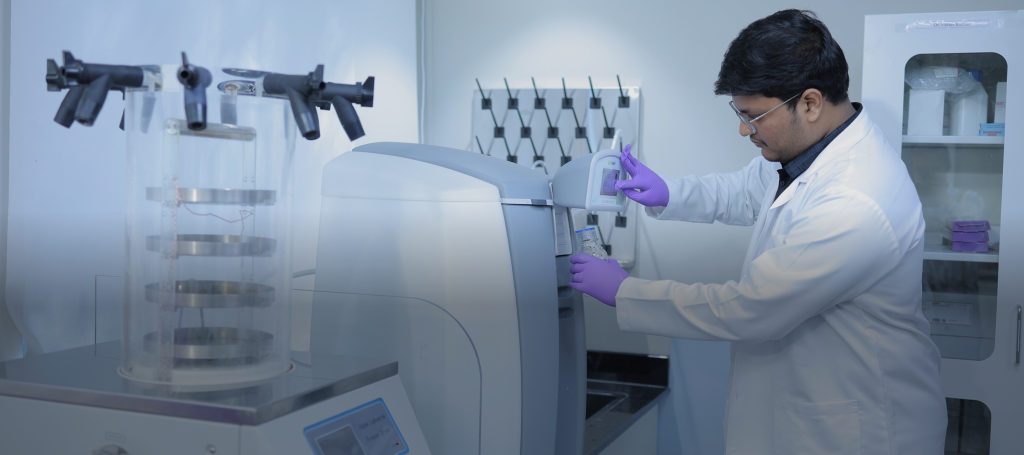
Students have access to specialised bioprocess, molecular biology, cell culture and computational biology laboratories.

The project-based framework encourages students to design creative engineering solutions while developing collaboration and leadership skills essential to the industry.

Start your journey with us

Make an enquiry Chat with a student