








5-yr Integrated M.Tech. in Biotechnology
An integrated programme that builds strong foundations in biological sciences and advanced training in biotechnology for research and industry pathways.
Programme overview
This programme is designed for students who wish to pursue an in-depth and continuous academic pathway in the life sciences. We integrate undergraduate and postgraduate study, enabling students to build conceptual depth, research capability, and technical competence over five years.

Integrated academic progression
A structured pathway that moves seamlessly from foundational science to advanced biotechnology and research.

Strong life sciences foundation
Core learning in biology, chemistry, mathematics, and related sciences that underpin biotechnology.

Research-oriented training
Exposure to laboratory work, data analysis, and supervised research projects.

Preparation for advanced pathways
Academic grounding that supports doctoral research, industry roles, and interdisciplinary careers.
Programme details
Programme structure
The programme is organised to support gradual academic progression and increasing specialisation.
- Years 1–2: foundations: core courses in biological sciences, chemistry, mathematics, and introductory biotechnology concepts.
- Years 3–4: advanced biotechnology: specialised coursework in biotechnology, laboratory techniques, and interdisciplinary applications.
- Year 5: research and specialisation: advanced electives and a substantial research project or thesis under faculty supervision.
This structure enables students to develop both breadth and depth across life sciences and biotechnology.
| Sr. No. | Course Code | Course Title | L | T | P | Credits |
|---|---|---|---|---|---|---|
| 1 | BT 1101 / BT 1102 | Basic Mathematics / Introduction to Biology* | 3 | 0 | 0 | 3 |
| 2 | BT 1103 | Introduction to Biotechnology | 2 | 0 | 0 | 2 |
| 3 | BT 1104 | Chemistry of Biomolecules | 3 | 0 | 2 | 4 |
| 4 | PH 1103 | Physics for BT & CB | 3 | 1 | 2 | 5 |
| 5 | ES 103 | Earth and Environmental Sciences | 2 | 0 | 0 | 2 |
| 6 | HS 1101 | English | 0 | 3 | 0 | 3 |
| 7 | HS 1102 | Media Project | 0 | 0 | 2 | 1.5 |
| 8 | FS 1103 | French – I | 0 | 2 | 0 | 0.5 |
| 9 | HS 1104 | Introduction to Entrepreneurship | 0 | 0 | 3 | 1 |
| Total Credits | 22 | |||||
| Sr. No. | Course Code | Course Title | L | T | P | Credits |
|---|---|---|---|---|---|---|
| 1 | BT 1205 | Genetics | 2 | 1 | 2 | 4 |
| 2 | BT 1206 | Biodiversity & Global Conventions | 1 | 0 | 0 | 1 |
| 3 | BT 1207 | Basic Mathematics II | 3 | 1 | 0 | 4 |
| 4 | EE 1204 | Basic Electronics & Applications | 2 | 1 | 2 | 4 |
| 5 | CH 1202 | Chemistry II | 2 | 0 | 2 | 3 |
| 6 | CS 1101 | Introduction to Computing | 2 | 1 | 2 | 4 |
| 7 | HS 1201 | Entrepreneurship Practice | 0 | 0 | 2 | 1 |
| 8 | HS 1202 | Professional Ethics | 0 | 1 | 0 | 1 |
| 9 | HS 1203 | French – II | 0 | 2 | 0 | 0.5 |
| Total Credits | 22.5 | |||||
| Sr. No. | Course Code | Course Title | L | T | P | Credits |
|---|---|---|---|---|---|---|
| 1 | BT 2108 | Enzymes & Metabolism | 3 | 0 | 2 | 4 |
| 2 | BT 2109 | Microbes & Immune Systems | 4 | 0 | 2 | 5 |
| 3 | BT 2110 | Cell & Molecular Biology | 3 | 0 | 2 | 4 |
| 4 | BT 2111 | Probability & Biostatistics | 2 | 1 | 2 | 4 |
| 5 | HS 2101 | Lean Start-up (Fractal) | 0 | 0 | 3 | 1 |
| 6 | HS 2102 | Principles of Economics (Fractal) | 3 | 0 | 0 | 1.5 |
| 7 | HS 2103 | French – III | 0 | 2 | 0 | 0.5 |
| Total Credits | 20 | |||||
| Sr. No. | Course Code | Course Title | L | T | P | Credits |
|---|---|---|---|---|---|---|
| 1 | BT 2212 | Omic Technologies | 3 | 0 | 2 | 4 |
| 2 | BT 2213 | Gene Technology | 2 | 0 | 4 | 4 |
| 3 | BT 2214 | Bioprocess Technology | 3 | 0 | 2 | 4 |
| 4 | BT 2215 | AI & Data Science for Biotechnologists | 3 | 0 | 2 | 4 |
| 5 | HS 2201 | Design Thinking | 1 | 0 | 2 | 2 |
| 6 | HS 2202 | Financial Accounting | 3 | 0 | 0 | 1.5 |
| 7 | HS 2203 | French – IV | 0 | 2 | 0 | 0.5 |
| Total Credits | 20 | |||||
| Sr. No. | Course Code | Course Title | L | T | P | Credits |
|---|---|---|---|---|---|---|
| 1 | BT 3116 | Animal Cell & Tissue Culture Technology | 2 | 0 | 4 | 4 |
| 2 | BT 3117 | Bioinformatics & Computational Biology | 3 | 0 | 2 | 4 |
| 3 | BT 3118 | Agriculture Biotechnology | 3 | 0 | 2 | 4 |
| 4 | BT 3119 | Bioprocess Design & Upscaling | 3 | 0 | 2 | 4 |
| 5 | BT 3020 | Elective – I | 3 | 0 | 0 | 3 |
| 6 | BT 3021 | Elective – II | 3 | 0 | 0 | 3 |
| 7 | — | HSS Elective – I | 2 | 0 | 0 | 2 |
| Total Credits | 24 | |||||
| Sr. No. | Course Code | Course Title | L | T | P | Credits |
|---|---|---|---|---|---|---|
| 1 | BT 3222 | Synthetic Biology & Applications | 3 | 0 | 2 | 4 |
| 2 | BT 3223 | Food Processing & Nutrition | 3 | 0 | 2 | 4 |
| 3 | BT 3224 | Good Manufacturing & Regulatory Practices | 1 | 0 | 1 | 1.5 |
| 4 | BT 3025 | Elective – III | 3 | 0 | 0 | 3 |
| 5 | BT 3026 | Elective – IV | 3 | 0 | 0 | 3 |
| 6 | HS 3201 | Introduction to Professional Development | 2 | 0 | 0 | 2 |
| 7 | — | HSS Elective – II | 2 | 0 | 0 | 2 |
| Total Credits | 19.5 | |||||
| Sr. No. | Course Code | Course Title | L | T | P | Credits |
|---|---|---|---|---|---|---|
| 1 | BT 4227 | Green Biotechnology | 3 | 0 | 0 | 3 |
| 2 | BT 4228 | Research Methods & IPR | 3 | 0 | 0 | 3 |
| 3 | BT 4027 | Elective – V | 3 | 0 | 0 | 3 |
| 4 | BT 4028 | Elective – VI | 3 | 0 | 0 | 3 |
| 5 | M.Tech Core | Core Course | 3 | 0 | 0 | 3 |
| 6 | M.Tech Core | Core Course | 3 | 0 | 0 | 3 |
| 7 | — | HSS Elective – III | 2 | 0 | 0 | 2 |
| Total Credits | 20 | |||||
| Sr. No. | Course Code | Course Title | L | T | P | Credits |
|---|---|---|---|---|---|---|
| 1 | M.Tech Core | Core Course | 3 | 0 | 0 | 3 |
| 2 | BT-0000 | Elective – PG | 3 | 0 | 0 | 3 |
| 3 | BT-0000 | Elective – PG | 3 | 0 | 0 | 3 |
| 4 | BT-0000 | Elective – PG | 3 | 0 | 0 | 3 |
| 5 | BT-0000 | Elective – PG | 3 | 0 | 0 | 3 |
| 6 | BT-0000 | Literature Review | 3 | 0 | 0 | 3 |
| 7 | — | HSS Elective – III | 2 | 0 | 0 | 2 |
| Total Credits | 20 | |||||
| Sr. No. | Course Code | Course Title | L | T | P | Credits |
|---|---|---|---|---|---|---|
| 1 | PR-0000 | M.Tech Thesis | 0 | 0 | 40 | 20 |
| Total Credits | 20 | |||||
| Sr. No. | Course Code | Course Title | L | T | P | Credits |
|---|---|---|---|---|---|---|
| 1 | PR-0000 | M.Tech Thesis | 0 | 0 | 40 | 20 |
| Total Credits | 20 | |||||
Learning outcome
Mahindra University offers an internationally trained faculty with strong industry and research backgrounds. The curriculum is regularly reviewed and updated to remain aligned with global industry and academic standards.
Upon completing the programme, students will be able to:
- Evaluate biotechnology research and business practices in relation to ethical, inclusive and equitable standards.
- Formulate research questions and develop solutions to contemporary challenges in biotechnology using a multidisciplinary approach.
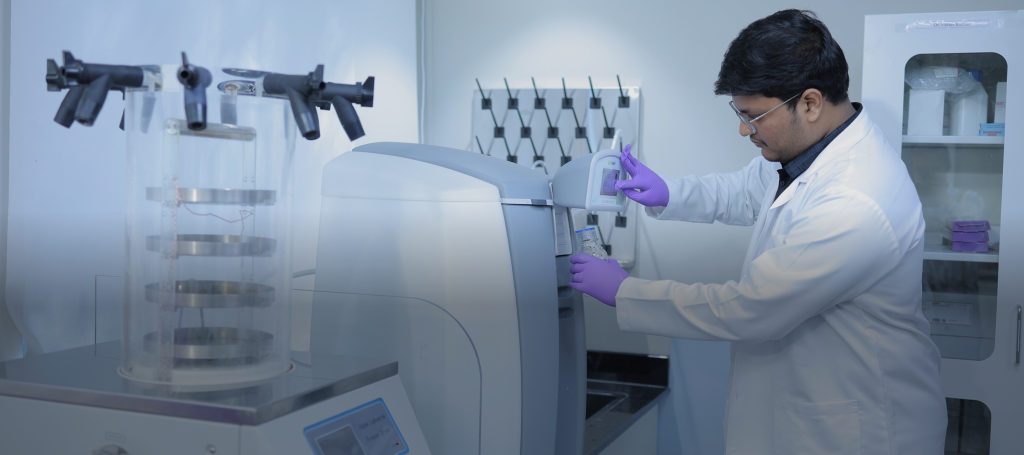
- Apply a range of laboratory techniques to design, conduct and analyse experiments addressing biotechnology problems.
- Critically assess scientific literature in the context of real-world applications across biotechnology domains.
- Demonstrate professional networking, leadership, communication and collaboration skills relevant to biotechnology research and industry.
Programme highlights
Flexible and customisable specialisation tracks that allow students to pursue specific areas of interest in biotechnology.
Rigorous scientific training supported by an advanced research thesis.
Hands-on experience through independent research projects at the University or collaborative projects with biotechnology and pharmaceutical industries.
Opportunities to publish research in scientific journals, present at international conferences and file patents.
Continuous mentorship and professional development support throughout the programme.
Interaction with researchers and industry experts through guest lectures and academic collaborations.
A final-year master’s thesis that enables students to develop in-depth research expertise supported by strong laboratory training.
Career avenues
Mahindra University’s location in Hyderabad—one of India’s leading life sciences and pharmaceutical hubs—provides strong industry linkages with biotechnology companies, R&D institutions and global organisations.
Students also benefit from international academic collaborations, enabling exchange opportunities and joint research supervision with faculty from reputed global institutions.
Graduates are prepared for diverse career paths, including:
- Research scientist roles in laboratories focused on biotechnology applications in medicine, agriculture and industry.
- Positions in regulatory affairs related to drug approvals and biotechnology products.
- Management and leadership roles within biotechnology and pharmaceutical companies.
- Opportunities with organisations investing in biotechnology innovation.
- Roles supporting biotechnology-related legal and regulatory services.
- Careers in research and development, process operations, product development and technical sales.
- Academic careers in scientific research and teaching.
Research and application areas
Biomanufacturing and green products
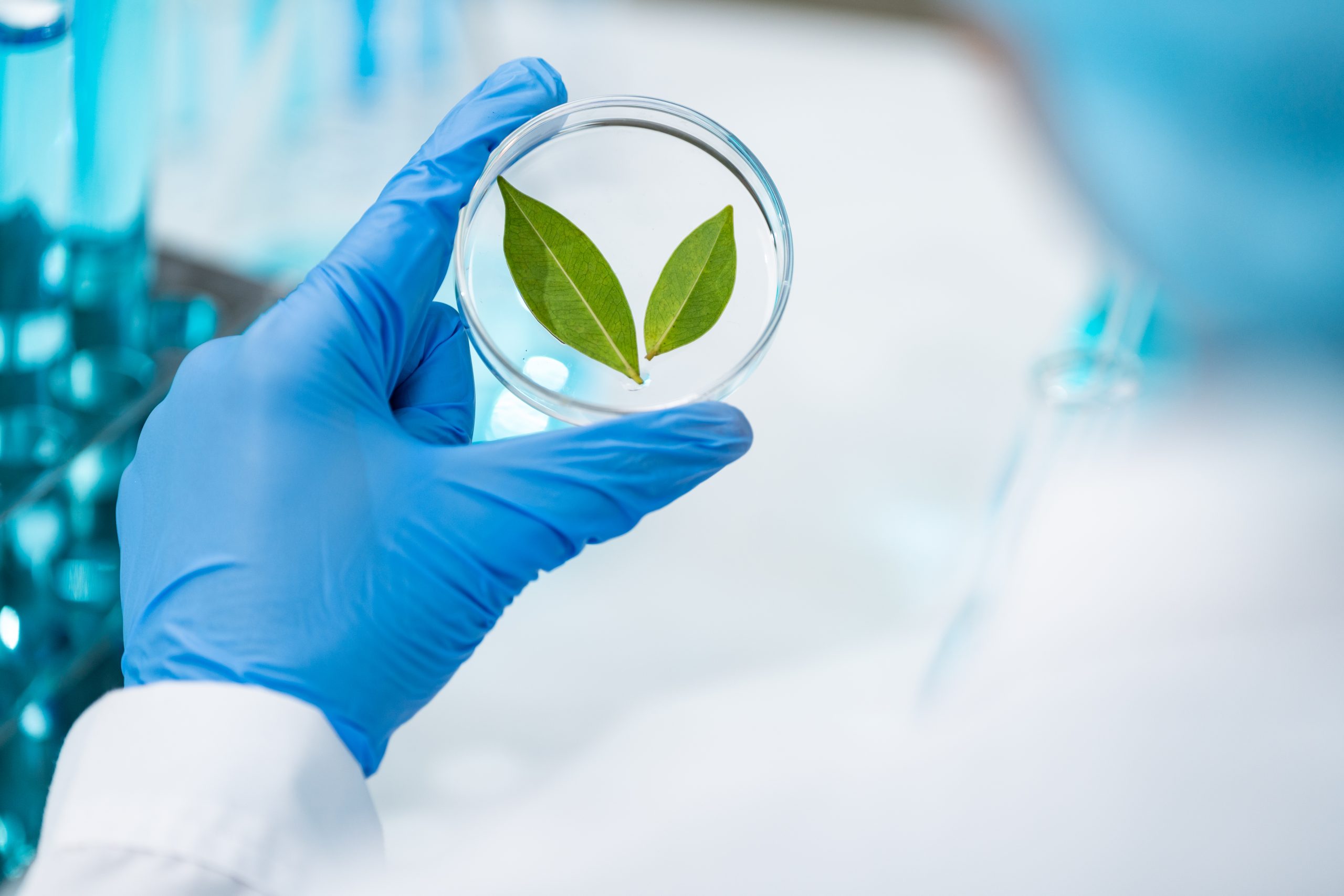
Applies engineered biological systems to produce chemicals and biomolecules using sustainable, biologically derived processes. The field supports green manufacturing across healthcare, agriculture, food, and specialty chemical industries.
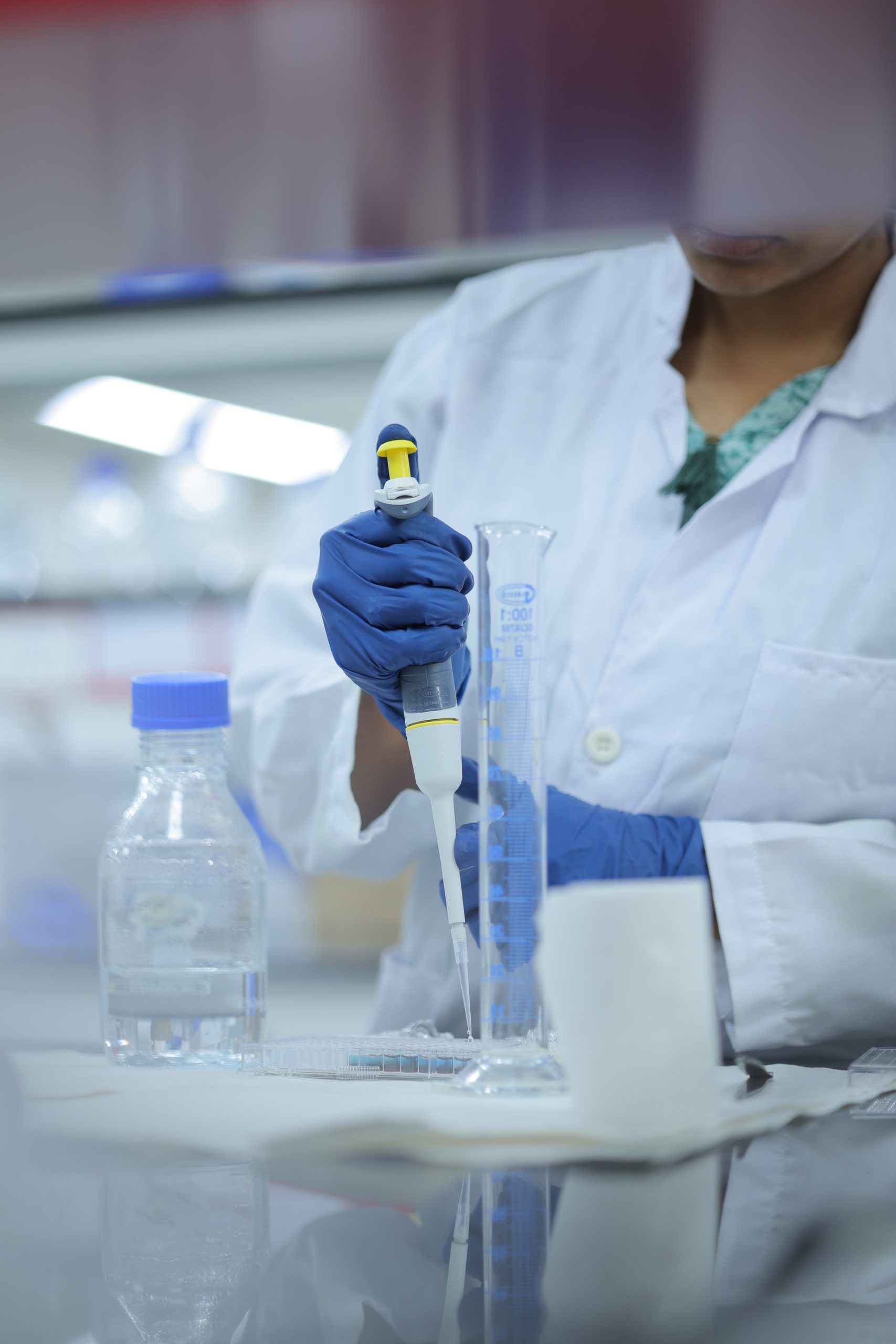
Biopharmaceutical technology
Focuses on the development of biologics such as antibodies, vaccines, and nucleic acid–based therapeutics. The domain spans drug discovery, biosynthesis, formulation, delivery systems, and regulatory pathways.
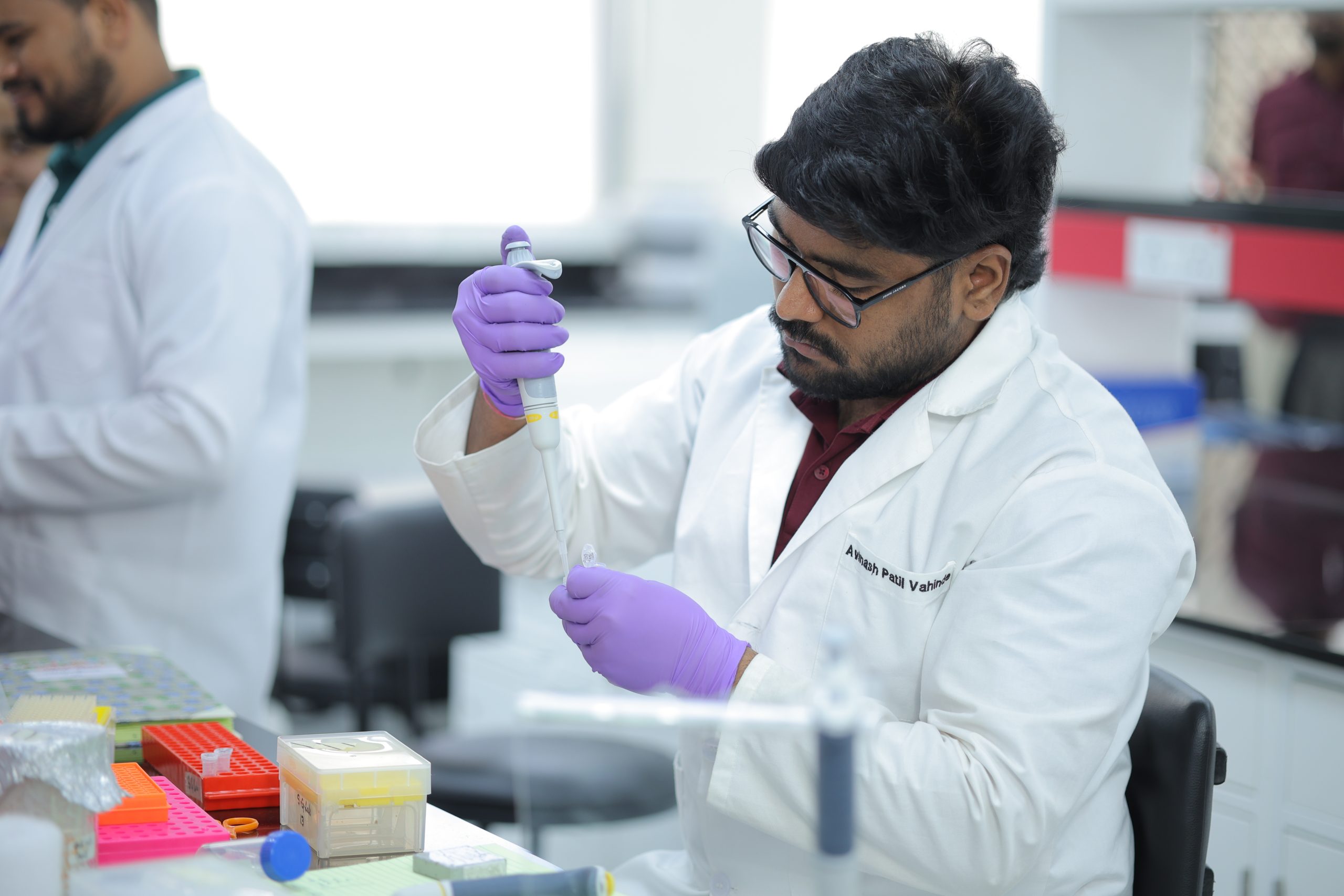
Diagnostics
Focuses on the development of molecular and analytical tools for early and accurate disease detection. The domain integrates biology, chemistry, engineering, and data analysis to support clinical and public health diagnostics.

Food processing and nutrition
Explores scientific and technological approaches to food preservation, fortification, and processing. Emphasis is placed on improving shelf life, nutritional quality, hygiene, and food security through process optimisation.

Gut microbiome
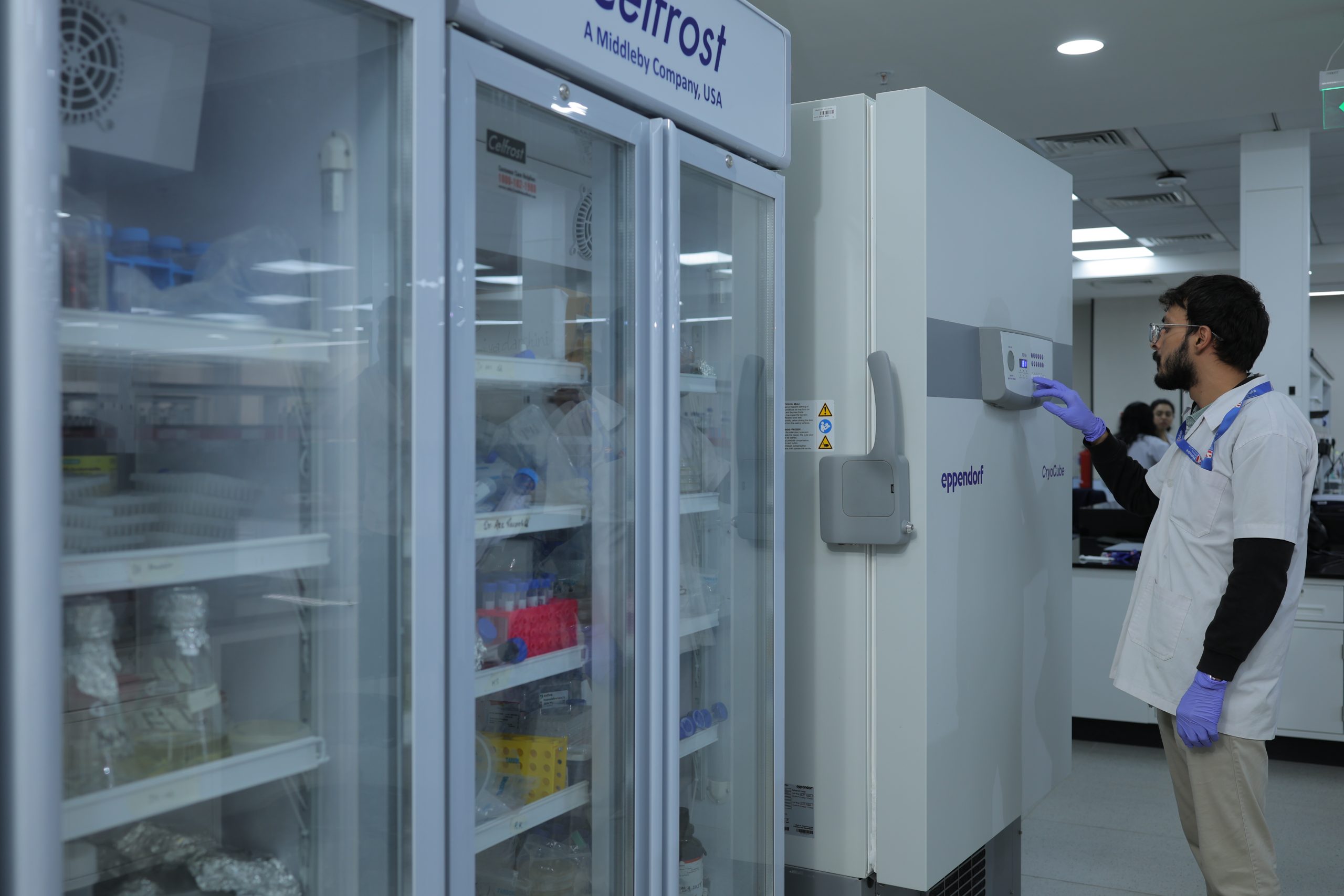
Studies the role of gut microorganisms in human health and disease, spanning nutrition, immunity, metabolic disorders, and neurological development. The field supports both diagnostic biomarker discovery and therapeutic interventions.
Precision medicine
Centres on tailoring medical treatment based on individual genetic and molecular profiles. The domain integrates genomics, diagnostics, and data analytics to improve treatment effectiveness and reduce adverse outcomes.
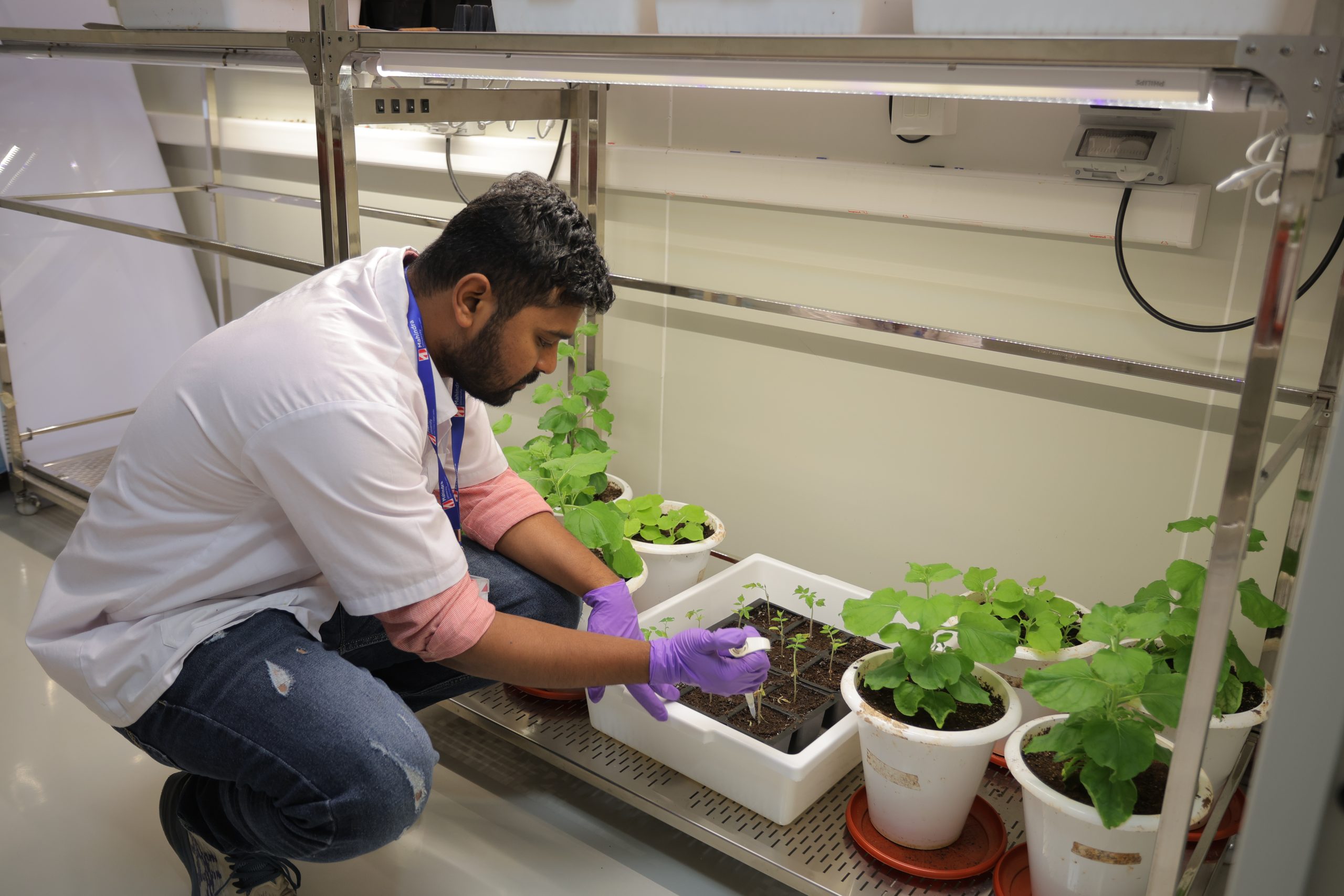
Digital agriculture
Applies data, sensors, analytics, and digital platforms to optimise agricultural productivity and sustainability. The focus includes precision farming, decision support systems, and proactive resource management.
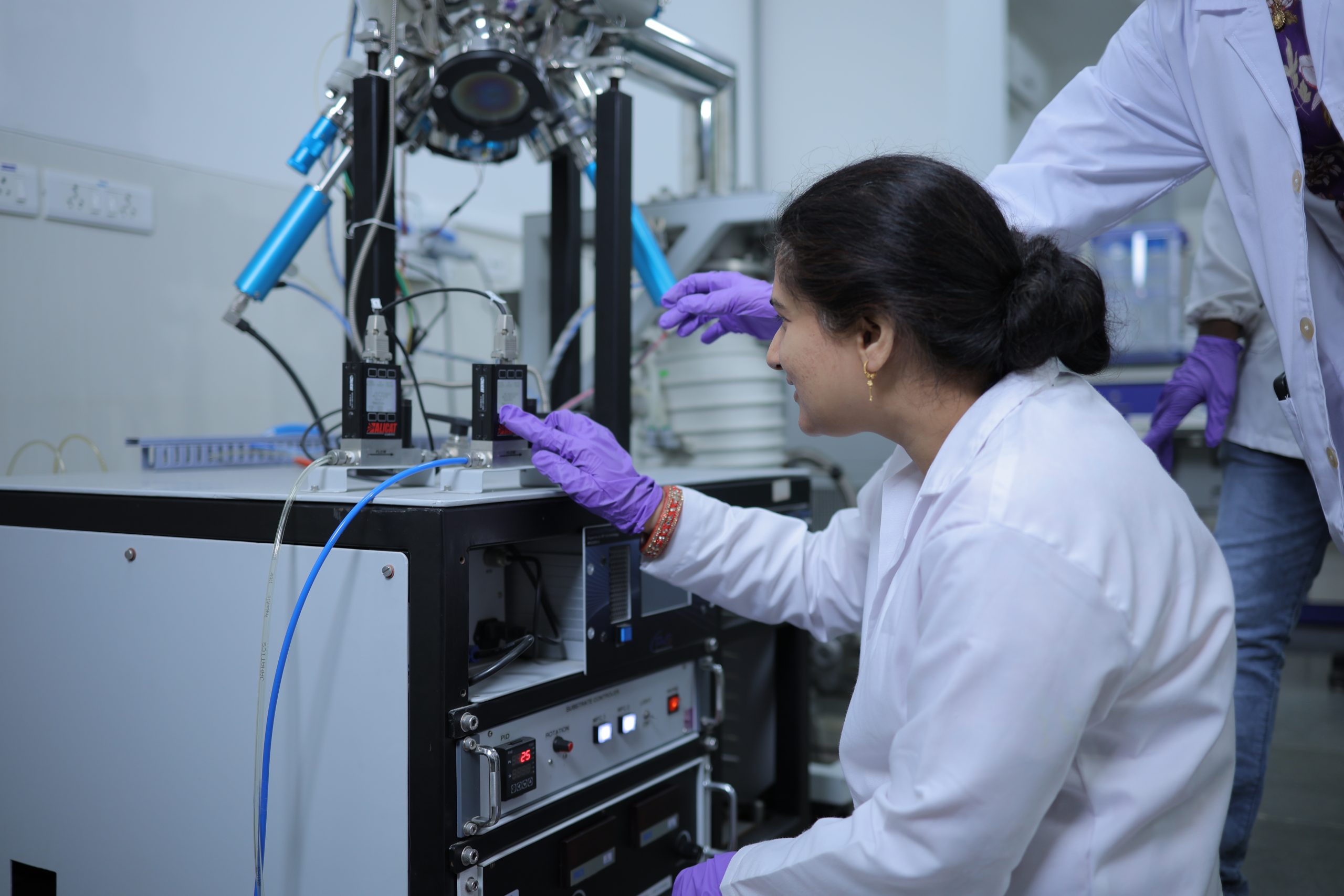
Pharmaceutical biotechnology
Applies biotechnological principles to drug development, from molecular design and expression to purification, stability assessment, delivery systems, and clinical translation.

Biomarkers
Centres on identifying and validating biological indicators associated with disease diagnosis, progression, and therapeutic response. The area supports applications in diagnostics, monitoring, and precision medicine.
FAQs
The programme is a five-year, full-time integrated M.Tech degree.
An integrated programme offers academic continuity, early exposure to advanced coursework, and structured preparation for research and higher study.
Yes. Research-led learning and a substantial project or thesis form a core part of the programme, particularly in later years.
Yes. The programme prepares students for doctoral research and advanced academic pathways.
Yes. Laboratory-based learning is integrated across multiple stages of the programme.
