















Ph.D in Life Sciences
A doctoral research programme that prepares scholars to make original contributions to life science knowledge and innovation.
Ph.D in life sciences overview
The Ph.D. in life sciences at Mahindra University is offered through the Centre for Life Sciences and focuses on interdisciplinary, research-driven inquiry in core areas such as biotechnology and computational biology. The programme integrates coursework, research methods training and dissertation work, leading to new scientific insights, innovative methodologies or original technological developments. Doctoral candidates work closely with faculty mentors to design, execute and present research that meets high standards of academic and scientific contribution.

Advanced scientific training
In-depth engagement with specialised life science topics such as biological systems, molecular processes and computational methods.

Research method proficiency
Rigorous training in quantitative and qualitative methods used to collect, analyse and interpret scientific data.

Original research creation
Completion of a thesis involving either discovery of new facts, innovative interpretation of known phenomena, or development of new technologies.

Scholarly communication and pedagogy
Opportunities to present findings in academic venues and contribute to research dissemination.
Programme details
Eligibility
Master (or four-year bachelor’s degree) in any field of Life Sciences/ Biology/ Biotechnology/ Nanobiotechnology/ Chemistry/ Bioinformatics, etc.
University fellowship
University will provide a fellowship of Rs. 30,000 per month plus free lodging and boarding on the campus.
Important dates
| Last Date for submission of applications | To be announced |
| Shortlisting of candidates for interview | To be announced |
| Ph.D. Entrance Test / Interview | To be announced |
| Announcement of Results | To be announced |
| Commencement of the Fall 2025 Semester Teaching | To be announced |
Specialisations

Biotechnology
Focuses on advancing biological innovation through experimental research and translational science.
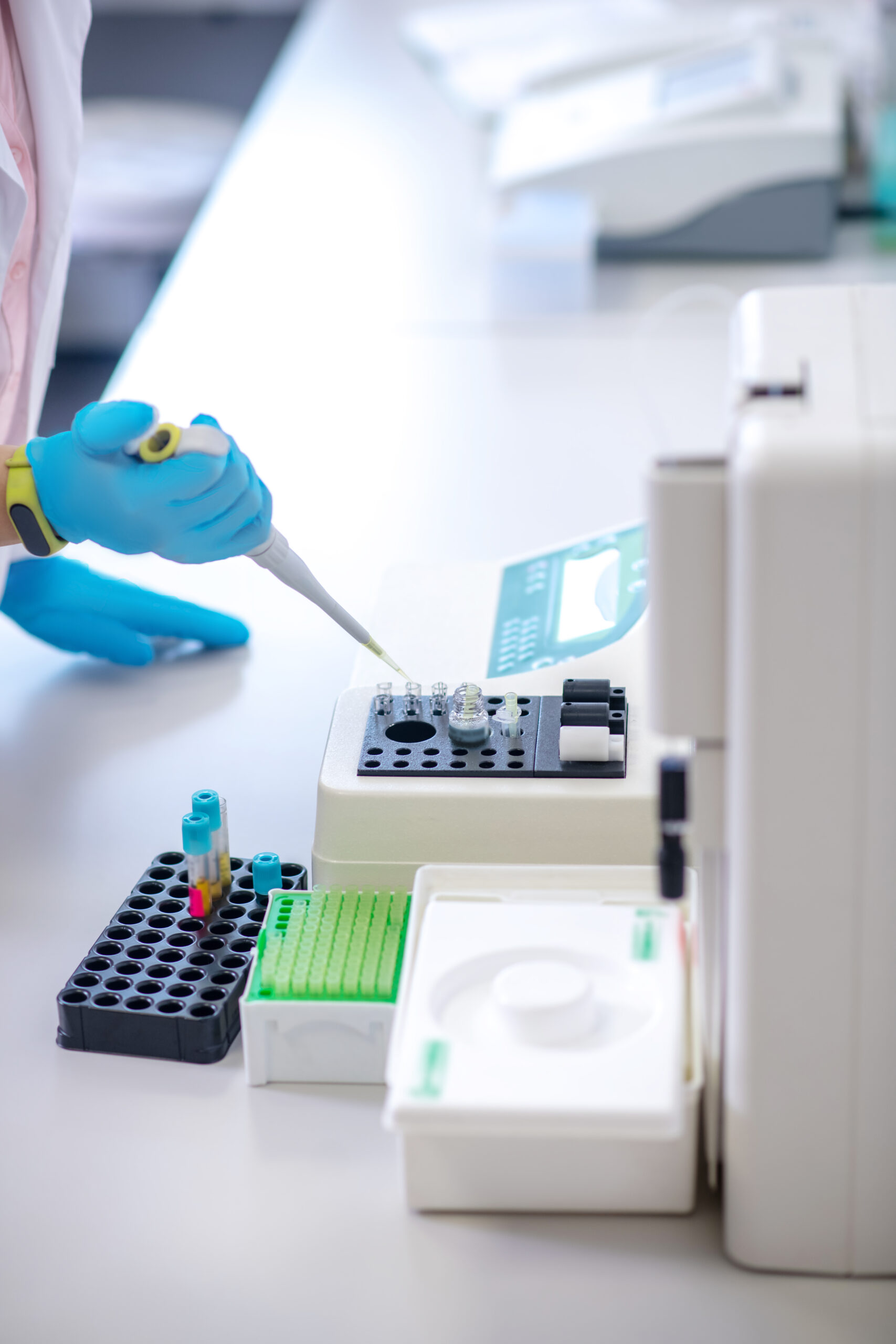
Computational Biology
Integrates computation and life sciences to analyse complex biological systems and data-driven patterns.
FAQs
It is a research degree that prepares scholars to conduct independent original research in life science disciplines, culminating in a doctoral thesis.
Duration varies but is typically structured to be completed within six years, depending on research progress and requirements.
Yes. The programme includes a set of prescribed coursework to build research foundations before dissertation work.
The programme includes areas such as biotechnology, computational biology and other life science subfields as defined by faculty expertise and research priorities at the Centre for Life Sciences.
