











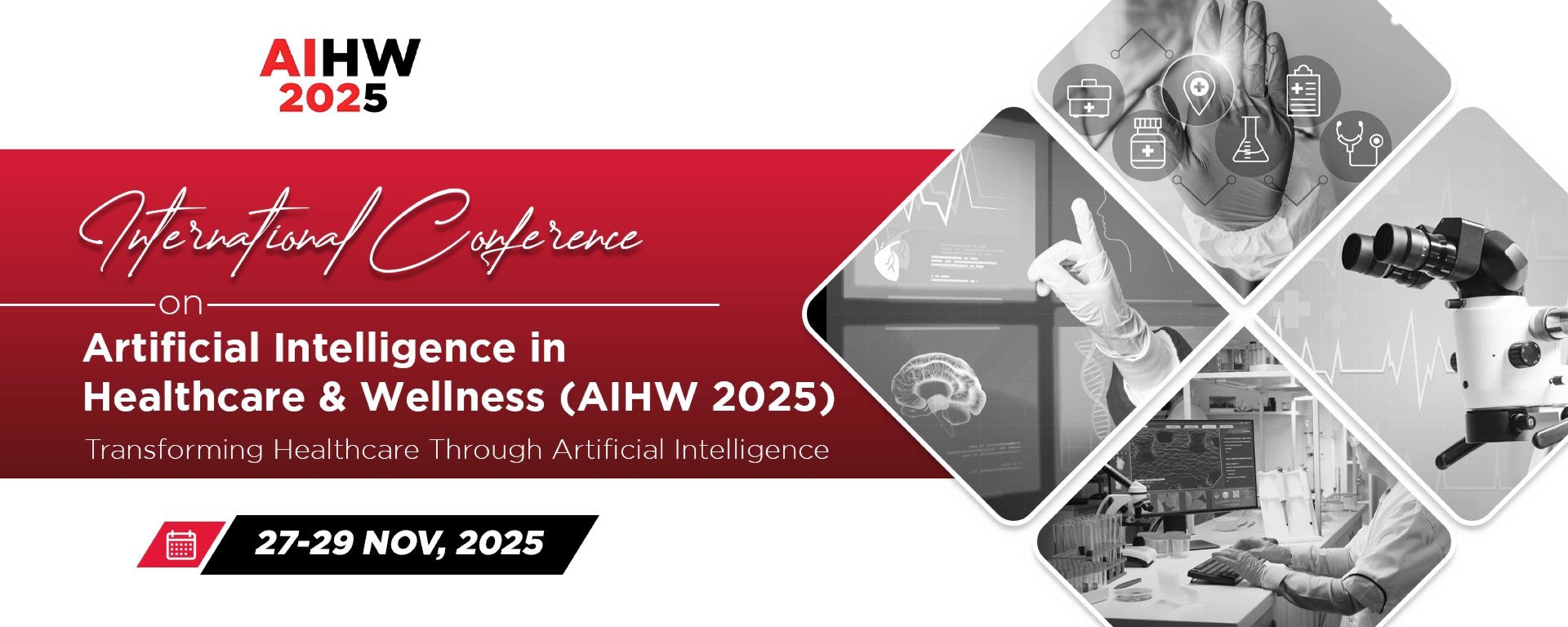
International Conference on Artificial Intelligence in Healthcare and Wellness (AIHW 2025)
About conference
AIHW 2025 is an international conference dedicated to exploring the transformative potential of Artificial Intelligence in healthcare. This three-day event brings together leading researchers, practitioners, and industry experts to discuss cutting-edge innovations, applications, and challenges in AI for healthcare and wellness. The key highlights of the conference are as follows:
- Keynote talks: From world-renowned AI and healthcare experts.
- Panel discussions: Exploring ethics, policy, and future trends in AI healthcare.
- Pre-conference tutorials: Featuring expert-led sessions on cutting-edge topics.
- Paper presentations: Featuring original research and breakthrough innovations.
- Poster presentations: An opportunity to showcase innovative ideas and early-stage research.
- Ph.D research symposium: Dedicated platform for PhD scholars to present their ongoing research.
- Networking opportunities: Connect with global experts, academics, and practitioners.
Conference details
Important dates
Paper Submission Deadline: 31 August, 2025
Notification of Acceptance: 19 October, 2025
Registration Deadline: 12 November, 2025
Conference Dates: 27 -29 November, 2025
Paper template: The paper should be formatted as per the CCIS (https://www.springer.com/)
Conference committee
Patron: Prof. Yaj Medury (Vice Chancellor, Mahindra University)
Steering Committee:
Prof. Sumeet Dua, University of Missouri, Kansas
Prof. Sanjay Ranka, University of Florida
Prof. Arya Kumar Bhattacharya, Dean Research, Mahindra University, India
Prof. R.S. Chauhan, Dean (Centre of Life Sciences), Mahindra University, India
Prof. Vijay Chandru, IISc. Bangalore, India
Prof. G.P.S. Raghava, IIIT, Delhi
Prof. Prabhat K. Mahanti, University of New Brunswick, Saint John, New Brunswick
Prof. Gheorghita Ghinea, Brunel University of London, United Kingdom
General Chair: Prof. Arun K. Pujari, Mahindra University
Program Chair: Dr. Satish Chandra
Technical Program Committee:
D. Vijay Rao, DRDO, India, (Chair)
Aniket Mahanti, University of Auckland, New Zealand
Ankit Vidyarthi, Jaypee Institute of Information Technology, Noida, India (Co-Chair)
Tauheed Ahmed, Mahindra University, India (Co-chair)
Bharat Gupta, Bennett University, India
Indu Chawla, Jaypee Institute of Information Technology, Noida, India
Kalpdrum Passi, Laurentian University, Sudbury, Canada
Manjari Gupta, DST-CIMS, Banaras Hindu University, India (Co-Chair)
Megha Jain, JSS Academy of Technical Education, Noida, India
Neetu Sardana, Jaypee Institute of Information Technology, Noida, India
Nitin Nitin, University of Cincinnati, Ohio, USA (Co-chair)
Nikhil Sharma, Illinois Institute of Technology, USA
Prabhat Mahanti, University of New Brunswick, Canada
Praveen Sharma, Salem State University, Salem, USA
Puneet Mishra, University of Lucknow, India
Rahul Singhal, New York University, USA
Rajni Mohana, Amity University, Mohali, India
Ranesh Naha, Queensland University of Technology, Australia
Ravi Yellavajjala, Arizona State University, AZ, USA
Sabeeha Hasnain, Mahindra University, Hyderabad, India
Sabah Mohammed, Lakehead University, Ontario, Canada
Satish Chandra, Mahindra University (Co-chair)
Ved Prakash Mishra, Amity University, Dubai, UAE
Vishwambhar Pathak, Birla Institute of Technology, Jaipur Ext., India
Vivek Kothari, University of Oxford, UK
Yamuna Prasad, Indian Institute of Technology, Jammu, India
Yashwant Singh, Central University of Jammu, India
Publication Chair: Dr. Neeraj Choudhary, Mahindra University, India
Tutorials Committee Chairs
Dr. Shabnam Samina, Mahindra University, India
Rahul Roy, Mahindra University, India
Research Symposium Chair: Dr. Tauheed Ahmed, Mahindra University, India
Finance Chair: Dr. Vivek Mishra, Mahindra University, India
Sponsorship Committee:
Dr. Shabnam Samina, Mahindra University, India
Dr. Rahul Roy, Mahindra University, India
Panel discussion
Panel Discussion: Impact of AI in Health and Wellbeing
Date: November 28, 2025 (Starting 3:00 pm)
This panel will feature an exceptional group of leading researchers, distinguished academicians, and healthcare practitioners who will share their perspectives on how AI is transforming healthcare, wellness, and clinical practice. The discussion will be immensely beneficial for AI-in-healthcare practitioners, researchers, students, and all those interested in understanding the rapidly evolving landscape of intelligent health systems.
Registration
| Sr. | Type of Registration | Registration Fee (INR) | Foreign Delegate Fee (USD) |
|---|---|---|---|
| 1. | Academia / Industry | 8000 | 140 |
| 2. | Student | 7000 | 125 |
| 3. | Attendees | 3000 | 30 |
Full Registration Fee includes Conference Kit, Hostel/Guesthouse accommodation, Breakfast, Lunch, Dinner and Refreshments, Opportunity to attend Tutorials, Keynote Speeches and parallel paper presentations
Attendees Registration does not include Hostel/Guesthouse accommodation, though limited number of rooms are available on payment basis in MU Campus.
Mode of payments:
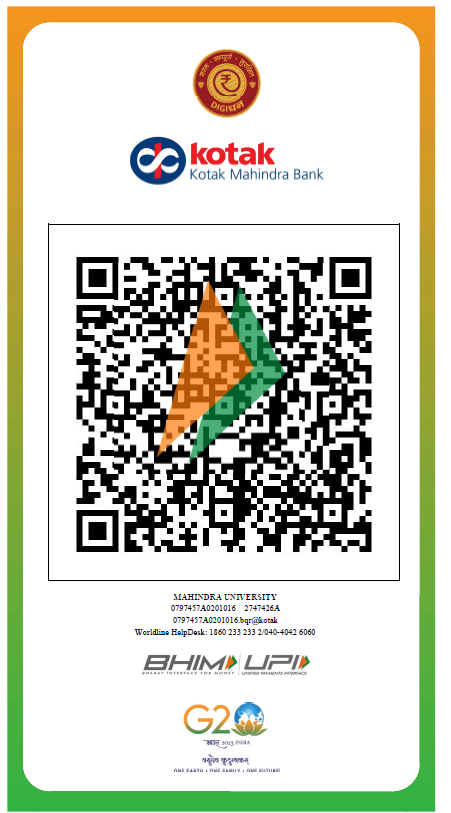
| Name of Account | Mahindra University |
| Name of Bank | ICICI Bank |
| Bank Account Number | 404101000071 |
| Branch | Tech. Mahindra Bahdaurpally Vill. Rangareddy Hyderabad -500043 |
| IFSC Code | ICIC0004041 |
After payment of the required fee, please send an email with transaction ID with subject as Paper ID / attendee and / or student ID to aihw2025@mahindrauniversity.edu.in
Whatsapp Only: +91-9354484097
Email: aihw2025@mahindrauniversity.edu.in, aihw2025@gmail.com
Keynote speakers
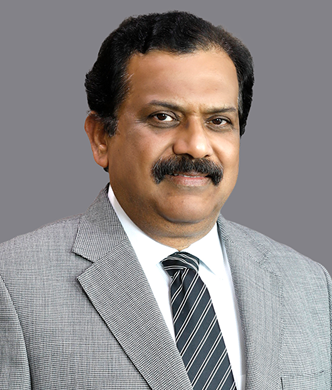
Dr. G. V. Rao
Director, AIG Hospitals & Asian Institute of Gastroenterology, Chief of Surgical Gastroenterology,GI Oncology, Minimally Invasive Surgery, Robotic Surgery & Transplantation Services.
Brief Biography of the Speaker:
Dr. G. V. Rao is a leading Surgical Gastroenterologist specializing in Hepato-Pancreato-Biliary surgery, advanced laparoscopic procedures, and endoscopic surgery. He completed his MS at Bangalore Medical College and advanced GI surgery training at Madras Medical College, followed by specialized fellowships in Hong Kong and London. He is a Member of the National Academy of Medical Sciences and an Honorary Fellow of several international surgical societies, including the Royal College of Surgeons and Physicians of Glasgow. Dr. Rao has received multiple international Best Paper Awards and has delivered several prestigious orations in minimally invasive and transluminal surgery.
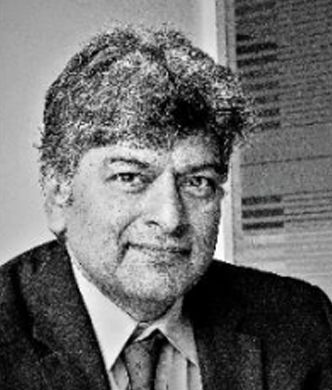
Prof. Vijay Chandru
IISc. Bangalore , Strand Life Sciences
Brief biography of the speaker
Vijay Chandru (PhD, MIT) is an academic, an entrepreneur and an advisor in translational research in Bangalore, India. He has taught computational mathematics as a tenured professor of engineering at Purdue and at the Indian Institute of Science (IISc). Professor handru is currently a visting professor at NCBS , a visiting faculty at the Centre for Brain Research and an executive advisor in healthcare to the technology Innovation Hub ARTPark at IISc. Chandru was elected a Fellow of AAAS (American Association for the Advancement of Science) in 2023 for significant contributions to theoretical computer science, computational biology and for development of technology for social good. He is a fellow of the Indian Academy of Science (IASc 1996) and the Indian National Academy of Engineering (INAE 2010) in recognition of his academic research in computational mathematics of optimization, geometry and deductive logic (theorem proving). Prof Chandru was also inducted as a fellow of the Asia-Pacific AI
Association (AAIA 2024). As a 4X entrepreneur he has co-founded Strand Life Sciences, PicoPeta Simputers, Yantri Labs and CRISPRBITS.
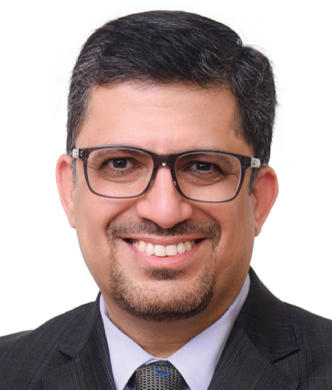
Prof. Sumeet Dua
University of Missouri, Kansas City
Brief biography of the speaker
Prof. Sumeet Dua serves as Vice Chancellor for Research and Innovation at the University of Missouri–Kansas City (UMKC), where he leads efforts to advance the university’s research mission through discovery, innovation, and collaboration. With more than two decades of academic and executive leadership experience, his work emphasizes interdisciplinary excellence and partnerships that connect university research with societal and economic needs. Before joining UMKC, Dr. Dua held multiple senior leadership roles at Louisiana Tech University, including Executive Vice President for Research, Associate Vice President for Research and Partnerships, Associate Dean for Graduate Studies, and Director of the Computer Science, Electrical Engineering, and Cyber Engineering programs. He also served as President and CEO of the Louisiana Tech Applied Research Corporation. His research interests include data mining and machine learning, biomedical informatics with applications in medical imaging and healthcare analytics, multi-modality fusion, and cybersecurity with a focus on systems protection.
He has authored or edited five books, including a widely referenced textbook on data mining and machine learning in cybersecurity. He holds two U.S. patents and has delivered over 75 invited talks and keynotes globally. Dr. Dua has served as a reviewer on more than 65 federal review panels and is frequently called upon as a subject matter expert to advise on data science strategies for industry and government.
Prior to joining UMKC, he served as Executive Vice President for Research and Max P. & Robbie L. Watson Eminent Scholar Chair at Louisiana Tech University. There, he also served as Associate Dean for Graduate Studies and Director of academic programs in Computer Science, Cyber Engineering, Electrical Engineering, and Electrical Engineering Technology, overseeing curriculum development, research initiatives, and successful partnerships across these key areas of computing and engineering education.
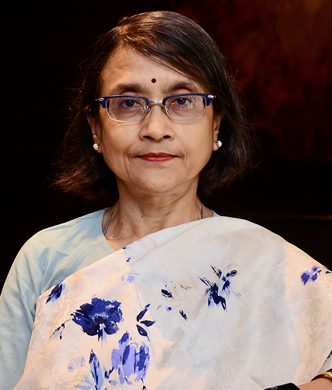
Prof. Sushmita Mitra
Machine Intelligence Unit (MIU), Indian Statistical Institute (ISI), Kolkata
Brief biography of the speaker
Prof. Sushmita Mitra is a Full Professor at the Machine Intelligence Unit (MIU), Indian Statistical Institute (ISI), Kolkata, and a globally recognized expert in machine learning, soft computing, data science, medical image processing, and bioinformatics. She was a DAAD Fellow at RWTH Aachen, Germany (1992–1994), and has served as Visiting Professor at the University of Alberta (Canada), Meiji University (Japan), and Aalborg University Esbjerg (Denmark). Her numerous honors include the National Talent Search Scholarship (NCERT), University Gold Medal, IEEE TNN Outstanding Paper Award (1994) for her pioneering work in neuro-fuzzy computing, CIMPA-INRIA-UNESCO Fellowship (1996), Fulbright-Nehru Senior Research Fellowship (2018–2020), and the J. C. Bose National Fellowship (2021). Prof. Mitra is the author of acclaimed books including Neuro-Fuzzy Pattern Recognition: Methods in Soft Computing and Data Mining: Multimedia, Soft Computing, and Bioinformatics (John Wiley), and Introduction to Machine Learning and Bioinformatics (Chapman & Hall/CRC Press). She has published over 150 peer-reviewed journal papers and has served as Guest Editor for several international journals.
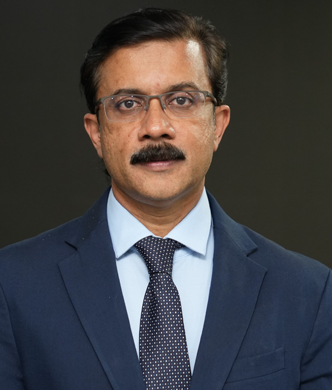
Dr. Rakesh Kalapala
Director – Center for Obesity and Metabolic Therapy & Center for Artificial Intelligence and Innovation. AIG Hospitals, Hyderabad
Brief Biography of the Speaker:
Dr. Rakesh Kalapala is a distinguished Consultant Gastroenterologist and Director of Center for Artificial Intelligence and Innovation at AIG Hospitals, Hyderabad. With extensive experience in advanced gastrointestinal endoscopy, obesity management, and clinical research, he has been instrumental in introducing innovative endoscopic and AI-driven approaches to digestive health. His research focuses on obesity, endoscopic bariatric therapies, and the integration of artificial intelligence in gastroenterology. A respected clinician, educator, and speaker, Dr. Kalapala has contributed significantly to advancing patient care and medical education. At AIHW 2025, his keynote will highlight the transformative role of AI and endoscopic innovation in improving healthcare outcomes.
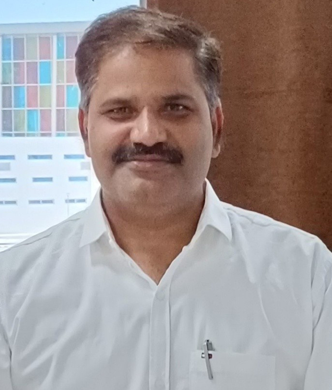
Prof. Ram Bilas Pachori
IIT, Indore
Brief biography of the speaker
Professor Ram Bilas Pachori is a distinguished researcher in signal processing, currently serving as Professor (HAG) at the Department of Electrical Engineering, IIT Indore. He earned his B.E. from RGPV Bhopal (2001) and M.Tech. and Ph.D. from IIT Kanpur (2003, 2008). He has held academic positions at IIIT Hyderabad, IIT Indore, and has been a visiting professor at universities in Italy, Malta, Germany, Malaysia, and the UK. His research focuses on signal and image processing, biomedical signal processing, brain-computer interfaces, and AI in healthcare. He has supervised 23 Ph.D. theses, delivered over 300 lectures, and published 365 works, including 228 journal articles and 11 books. His work has received approximately 19,000 citations with an h-index of 74. He holds eight patents, including two granted (Australian and Indian). He is a Fellow of IEEE, IET, IETE, and IEI, and has been appointed as an IEEE EMBS Distinguished Lecturer (2025-2026). He has served as Associate Editor for several prestigious journals, including IEEE Transactions on Neural Systems and Rehabilitation Engineering and Electronics Letters.
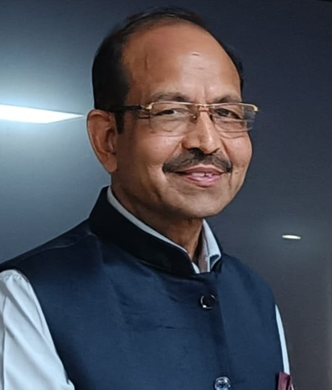
Prof. Ramesh Kumar Agrawal
Jawaharlal Nehru University (JNU), New Delhi, India
Brief biography of the speaker
With over 30 years of academic and research experience, Prof. R. K. Agrawal has established himself as a leading scholar in the field of computational intelligence.
His research expertise includes data mining, machine learning, pattern recognition, and medical imaging, with a strong focus on artificial intelligence applications in healthcare and wellness. Prof. Agrawal has contributed extensively to advancing methods for brain MRI segmentation, early diagnosis of neurodegenerative disorders, EEG-based brain–computer interfaces, and intelligent optimization for biomedical systems. He is the Chief Coordinator Communication & Information Services, and also served as Dean, School of Engineering at JNU, New Delhi.
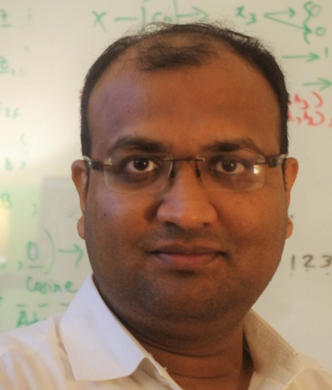
Prof. Debdoot Sheet
Indian Institute of Technology, Kharagpur
Brief Biography of the Speaker:
Prof. Debdoot Sheet is an Associate Professor of Electrical Engineering at the Indian Institute of Technology Kharagpur. He received the MS and PhD degrees from the Indian Institute of Technology Kharagpur in 2010 and 2014 respectively. His current research interests include deep learning, medical imaging, data compression. He is a DAAD alumni and was a visiting scholar at the Technical University of Munich during 2011-12. He is also recipient of the IEEE Computer Society Richard E. Merwin Student Scholarship in 2012, the Fraunhofer Applications Award at the Indo-German Grand Science Slam in 2012, and the GE Edison Challenge 2013, IEM-UEM Distinguished Young Alumni Award 2016, MHRD Samadhan Award 2020, IEM-UEM Distinguished Alumni Award 2022, The IEEE SPS Distinguished Volunteer Honor 2023. He is a Chartered Engineer, senior member of IEEE, member of MICCAI, life member of IUPRAI and BMESI. He regularly offers the NPTEL MOOC on Medical Image Analysis, and Deep Learning for Visual Computing since 2017, and serves as AE for SpringerNature Computer Science, AC/AE for ICASSP, ISBI, ICPR, AAAI, MICCAI, ICVGIP.
Media partners


Publication
Proceedings: It is planned to publish the proceedings with Springer in their CCIS series (Final approval pendding).
Abstracts of all papers and posters presented at the conference will be compiled and made available during the event.
PhD symposium
Ph.D. Symposium: The PhD Symposium aims to offer doctoral scholars a platform to present their ongoing research and receive expert feedback in AI for healthcare and wellness.
Eligibility: Open to registered PhD students, preferably in the early or mid stages.
Submission Guidelines: Extended abstract (upto 3 pages, Springer CCIS format) with essential content details and key dates.
Review Process: Evaluated by experts for originality, relevance, and clarity.
Presentation Format: Oral or poster sessions followed by expert feedback.
Awards: Recognition for best presentations.
Mentorship: Guidance and interaction with senior researchers and industry experts.
Submission Deadline: November 10, 2025 Notification: November 14, 2025
Submit your proposals to: aihw2025@mahindrauniversity.edu.in
Poster presentation
Poster Presentation: The Poster Presentation track invites researchers, students, and professionals to showcase innovative ideas, preliminary findings, and emerging applications in AI for healthcare and wellness. It provides an excellent opportunity for interactive discussions and networking with experts. Submissions should include a 2-page extended abstract in Springer CCIS format and will be reviewed for originality, clarity, and relevance.
Poster Presentation Guidelines:
Each presenter will be assigned a poster board and easel to display a poster not exceeding 119 cm x 84 cm. A panel of TPC members will evaluate the presentations, and the top entries will receive awards. Presenters must remain at their posters for the entire session to engage with attendees and judges.
Submission Deadline: November 10, 2025
Notification: November 14, 2025
Outstanding posters will be recognized with AIHW 2025 Best Poster Awards and certificates of merit.
Submit your proposals to: aihw2025@mahindrauniversity.edu.in
Call for paper
AIHW 2025 is a premier platform dedicated to exploring the transformative role of artificial intelligence and advanced computational techniques in healthcare and wellness. This three-day event brings together leading researchers, practitioners, and industry experts to present cutting-edge innovations, real-world applications, and emerging challenges. We invite high-quality original research papers, case studies, and state-of-the-art reviews that contribute to the development of intelligent healthcare systems and digital wellness technologies.
Submissions are welcome from all areas of AI in healthcare and wellness, not limited to the tracks listed below. The conference encourages interdisciplinary contributions and aims to highlight both theoretical advances and practical solutions that are shaping the future of global health.
Track 1: AI in Medical Imaging and Diagnostics
Harnessing the power of AI to revolutionize the way medical imaging is interpreted and utilized in clinical environments. Contributions may include:
- Deep learning and computer vision techniques for radiology, pathology, and ophthalmology.
- AI-assisted diagnosis from CT, MRI, PET, X-rays, and ultrasound.
- Image segmentation, enhancement, anomaly detection, and classification.
- Multi-modal imaging analysis and fusion for improved diagnostic accuracy.
- Real-time AI integration in image-guided interventions and robotic surgery.
Track 2: Health Data Analytics and Predictive Modeling
Leveraging advanced data analytics and machine learning for actionable health insights and early disease prediction:
- Predictive modeling for patient outcomes, disease progression, and risk stratification.
- AI applications in Electronic Health Records (EHR) and health informatics.
- Handling imbalanced, multi-source, and time-series clinical data.
- AI-powered tools for hospital operations and resource optimization.
- Real-world evidence generation using federated and distributed learning.
Track 3: AI-Driven Patient Care and Clinical Decision Support
Improving clinical workflows, decision-making, and personalized care delivery through intelligent systems:
- AI-based clinical decision support systems (CDSS) integrated with EHRs.
- Personalized treatment recommendation engines and care optimization.
- AI in remote monitoring, telemedicine, and chronic disease management.
- Smart assistants, alert systems, and care bots for real-time intervention.
- AI for elderly care, fall detection, rehabilitation, and assisted living.
Track 4: Precision Medicine and AI for Biological Systems
Exploring AI’s transformative impact on individualized healthcare, drug discovery, and complex biological modeling:
- AI in genomics, proteomics, metabolomics, and integrative omics data analysis.
- Predictive models for drug response, adverse events, and therapy optimization.
- Computational drug design, virtual screening, and AI-accelerated trials.
- Disease mechanism modeling and AI-guided biomarker discovery.
- Multi-scale biological system simulations powered by AI.
Track 5: Digital Health Technologies and Future Innovations
Highlighting cutting-edge digital technologies reshaping healthcare delivery, wellness, and self-care:
- AI-powered wearable devices and health-tracking applications.
- Internet of Medical Things (IoMT) and real-time wellness analytics.
- Mental health monitoring and behavior analysis using AI.
- Brain-Computer Interfaces (BCIs) for rehabilitation and cognitive support.
- Emerging trends in ambient intelligence, AR/VR in healthcare, and digital therapeutics.
Track 6: Ethics, Privacy, and Societal Impact of AI in Healthcare
Focusing on the responsible design, regulation, and deployment of AI systems in sensitive healthcare environments:
- Ethical challenges: fairness, transparency, explainability, and accountability.
- Privacy-preserving AI methods: federated learning, differential privacy, and secure multiparty computation.
- Regulatory compliance and standards for AI in clinical practice.
- Bias detection, mitigation, and inclusive AI development.
- Societal implications: access, trust, human-AI interaction, and health equity.
Paper Templates: The paper should be prepared in accordance with the standard templates provided for Lecture Notes Computer Science (LNCS) conference proceedings. These templates are available for both Microsoft Word and LaTeX at the Springer website: https://www.springer.com/gp/computer-science/Incs/conference-proceedings-guidelines
Paper Submission Portal: https://cmt3.research.microsoft.com/AIHW2025
Paper Submission Deadline: August 31, 2025 (submission closed)
Notification of Acceptance: 15 October ,2025 19 October ,2025
Registration Deadline: 12 November, 2025
Venue
AIHW 2025 will take place at Mahindra University, Hyderabad, in a serene, green campus equipped with world-class infrastructure. The venue features modern auditoriums, seminar halls, and meeting rooms, supported by high-quality AV systems, robust IT support, and excellent logistics to ensure a smooth conference experience.
Address: Mahindra University, Survey: 62/1A, Bahadurpally (Near Tech Mahindra), Jeedimetla, Hyderabad, Telangana, India, Pin: 500043.
Access from Major Transport Hubs:
- 30–35 kilometers away from Rajiv Gandhi International Airport (RGIA) Hyderabad.
- 20–25 kilometers away from Secunderabad Railway Station.
- 25–30 kilometers away from the main bus stations in Hyderabad, such as the MGBS (Mahatma Gandhi Bus Station) or Jubilee Bus Station
