






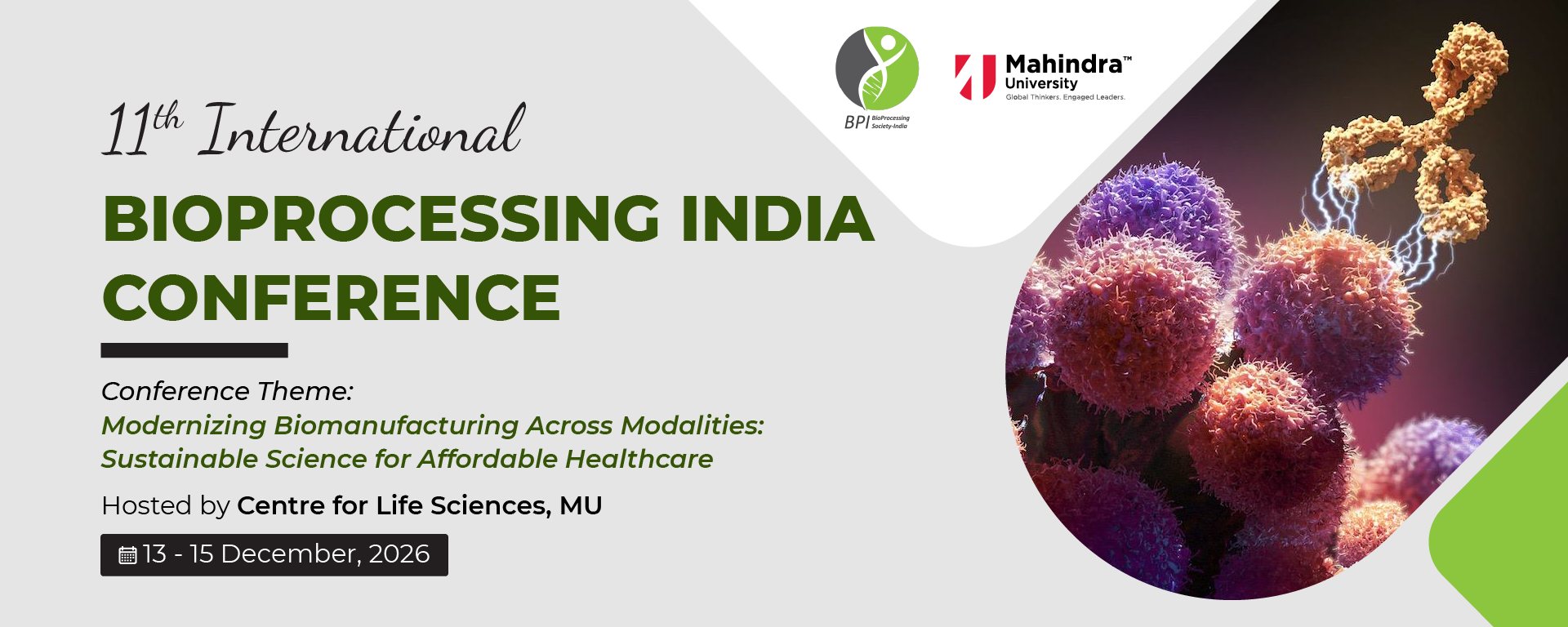
11th International Bioprocessing India Conference
About BPI’26
Bioprocessing India Conference Series is the country’s leading academic–industry forum for the science and engineering of biomanufacturing, convened annually since its founding at IIT Delhi in 2013. Each edition brings together university researchers, industry scientists, and policy stakeholders for presentations, workshops, and panel discussions addressing the technical challenges of scaling bioprocess from laboratory research to industrial production. Over more than a decade, the conference has grown into a platform for information exchange, cross-sector collaboration, and the strategic partnerships needed to advance India’s biomanufacturing capacity. BPI’26, the conference’s 11th edition, is hosted by the Centre for Life Sciences at Mahindra University, Hyderabad, under the theme “Modernizing Biomanufacturing Across Modalities: Sustainable Science for Affordable Healthcare.
BPI Society website – Click Here
BPI at a Glance
| Metric | Scale | What it means |
|---|---|---|
| Global Experts | 60+ | Scientists & industry leaders |
| Participants | 300+ | Academia, Industry & Startups |
| Technical Sessions | 20+ | Across key bioprocessing themes |
A Decade of Legacy — Timeline (2026 → 2013)
co-host: IIT Madras, Chennai
Conference details
About the Host Institute
CENTRE FOR LIFE SCIENCES, MAHINDRA UNIVERSITY
The Centre for Life Sciences (CLS) at Mahindra University, Hyderabad, established in 2022 under the aegis of the École Centrale School of Engineering, Mahindra University, represents the University’s commitment to advancing excellence in life sciences education, research, and innovation. Conceived as an interdisciplinary centre at the interface of biology, engineering, computation, and medicine, CLS brings together expertise across biotechnology, computational biology, biomedical sciences, and emerging areas of the life sciences. The Centre fosters a culture of rigorous scholarship, scientific inquiry, and collaborative research aimed at addressing some of the most pressing challenges in human health, sustainability, and biotechnology. Strategically located in Hyderabad, one of India’s most prominent life sciences and pharmaceutical innovation hubs, CLS is uniquely positioned to engage with leading academic institutions, research organizations, biotechnology enterprises, and industry partners. Through its research-intensive academic programs, expanding scientific collaborations, and emphasis on innovation and translation, CLS aspires to emerge as a distinguished centre of excellence, nurturing future scientific leaders and contributing meaningfully to the advancement of life sciences globally.
MU website CLS page : Click Here
Statistics
| Centre Established | Faculty Members | Number of Students | Educational Programmes |
|---|---|---|---|
| Fall 2022 | 28 | 492 | 11 |
Scientific Programme
Three days, three tracks, one conversation: how bioprocessing scales safely, sustainably, and affordably. Sessions run in parallel across Upstream Manufacturing, Downstream & Analytical, and Data & Digital Bioprocessing .
Pick a track to follow, or move between them.
Track Legend
| Track | Name |
|---|---|
| A | Multi-Modality Upstream, Sustainable Manufacturing |
| B | Next-Gen Downstream, Product Characterization, Quality & Affordable Access |
| C | Bioprocess Data Analytics, AI, Digital Twins & Sensing Devices |
Day 1 — 13 December 2026
| Time | Agenda |
|---|---|
| 09:00–11:00 | Registration, Welcome Tea & Exhibition Floor Opening |
| 11:00–12:00 | Inaugural Ceremony |
| 12:00–12:30 | Plenary Lecture 1 |
| 12:30–13:00 | Plenary Lecture 2 |
| 13:00–14:00 | Lunch |
| 14:00–16:00 | Parallel Sessions: 1A: Advanced Upstream Processing Across Modalities (mAbs, Recombinant Proteins & mRNA) 1B: Continuous Downstream & Intensified Purification Breakthroughs 1C: Predictive Scale-Up & Hybrid Mechanistic-Data Models in Bioprocessing |
| 16:00–16:45 | High Tea + Poster Session I |
| 16:45–18:45 | Parallel Sessions: 2A: Sustainable Upstream Strategies (Energy, Water & Carbon Footprint Reduction) 2B: Multi-Attribute Methodologies (MAM) & High-Throughput Characterization 2C: Computational Biology & AI-Driven Drug Discovery |
| 18:45–19:30 | Poster Session II |
| 19:30 onwards | Dinner |
Day 2 — 14 December 2026
| Time | Agenda |
|---|---|
| 08:00–09:30 | Breakfast |
| 09:30–10:00 | Plenary Lecture 3 |
| 10:00–12:00 | Parallel Sessions: 3A: Synthetic Biology and Metabolic Engineering 3B: Formulation Engineering, Stability & Biosimilar Comparability 3C: Smart Bioprocessing: Digital Twins, Machine Learning & Data Systems |
| 12:00–13:00 | Lunch |
| 13:00–14:30 | Plenary Industry–Academia Panel |
| 14:30–16:00 | Parallel Sessions: 4A: Manufacturing Modalities Beyond mAbs (CGT, Viral Vectors & Fusion Proteins) 4B: Regulatory Challenges for Biosimilars and Emerging Modalities 4C: Process Analytical Technology (PAT) & Real-Time Release Testing (RTRT) |
| 16:00–16:45 | High Tea + Poster Session III / AGM |
| 16:30–19:30 | Workshops |
| 19:30 onwards | Dinner |
Day 3 — 15 December 2026
| Time | Agenda |
|---|---|
| 08:00–09:00 | Breakfast |
| 09:00–10:30 | Parallel Sessions: 5A: Emerging Vaccine Technologies (mRNA Platforms, VLPs, Adjuvants) 5B: Circular Bioeconomy, Single-Use Recycling & Green Downstream Strategies for COGS Reduction 5C: Biosensing 4.0 & Micro-Analytical Systems |
| 10:30–10:45 | Tea |
| 10:45–12:00 | Parallel Sessions: 6A: Non-Conventional & Alternative Expression Systems (Yeast, Microbial & Cell-Free) 6B: Biomass Conversion & Bio-Based Products 6C: Bio entrepreneurship and IP |
| 12:00–12:30 | Plenary Lecture 4 |
| 12:30–13:15 | Closing Ceremony – Poster Winners Flash Talks & KBR Award |
| 13:15 Onwords | BPI 2026 Declaration & Handover; Farewell Lunch & Delegate Departure |
Committees
BPI’26 is guided by a national leadership drawn from India’s leading bioprocessing institutions, alongside the team at Mahindra University hosting this year’s edition.
Host
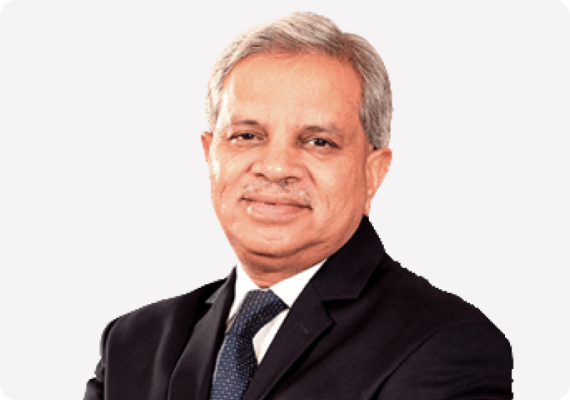
Yajulu Medury

Rajinder Singh Chauhan

Srishti Joshi

Mrittika Sengupta
Local Organising Committee

Jayato Nayak

Richa Batra

Sarat Chandra Togarcheti
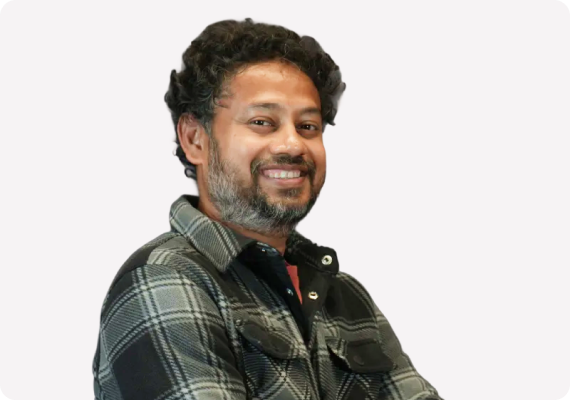
Sudhanshu Shanker
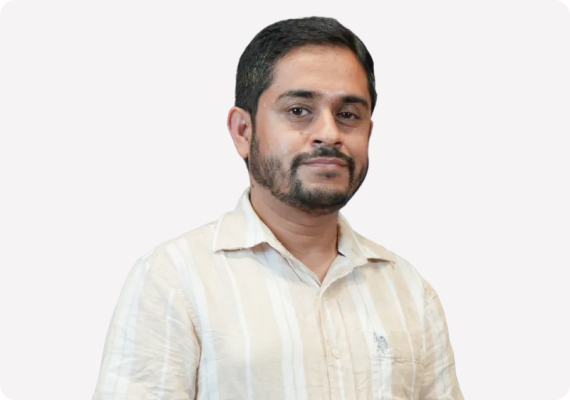
Swarit Jasial

Ram Prasad Sekar
National Advisory Committee-BPI 2026
- Prof. Anurag Singh Rathore — Founding President (BPI) · Professor, IIT Delhi
- Prof. Guhan Jayaraman — President (BPI) · Professor, IIT Madras
- Dr. Rahul Bhambure — Vice President (BPI) · NCL Pune
- Prof. James Gomes — Treasurer (BPI) · Professor, IIT Delhi
- Prof. Debendra K Sahoo — Chief Scientist, CSIR-IMTech
- Prof. M. A. Vijayalakshmi — Professor (Emeritus), Vellore Institute of Technology
- Prof. KSMS Raghavarao — Professor, IIT Tirupati
- Prof. Smita Srivastava — Professor, IIT Madras
- Prof. Ganesh Bagler — Professor, IIIT Delhi
- Prof. Rahul Purwar — Professor, IIT Bombay
- Prof. Rohit Srivastava — Professor, IIT Bombay
- Prof. Sarika Mehra — Professor, IIT Bombay
- Prof. Senthilmurugan Subbiah — Professor, IIT Guwahati
- Prof. S. Senthilkumar — Professor, IIT Guwahati
- Prof. Ranjender Singh Sangwan — Director (Vice Chancellor), Academy of Scientific and Innovative Research, AcSIR
- Prof. Kalyan Gayen — Assoc. Professor, NIT Agartala
- Dr. Ratnesh Jain — Assoc. Professor, ICT Mumbai
- Prof. Nikita Saxena — Asst. Professor, IIT Kharagpur
- Prof. Meyiappan Lakshmanan — Asst. Professor, IIT Madras
- Prof. Sumit K. Singh — Asst. Professor, IIT (BHU)
- Prof. Lalita K. Shekhawat — Asst. Professor, IIT Patna
- Dr. Sandeep Kale — MD, QPAT
- Dr. Narendra Chirmule — Co-founder & CEO, SymphonyTech Biologics
- Mr. Pradeep Iyer — GM (Biologics), Torrent Pharmaceuticals
- Prof. Sumathy Kandaswamy — Professor of Practice, Centre for Life Sciences, MU
- Dr. Rohan Shah – Thermo Fisher Scientific
Abstracts
Bioprocessing India (BPI) 2026 invites scientists, academicians, industry professionals, students, and early-career researchers to submit original contributions reflecting recent advances in bioprocess technology, aligning with this year’s theme of the conference: “Modernizing biomanufacturing across modalities: Sustainable Science for Affordable Healthcare.”
Accepted abstracts will be included in the BPI 2026 Abstract Book, with selected contributions invited for oral presentation during the conference under the Young Scientist Talk category.
Early career researchers and students are strongly encouraged to submit and present their work.
Important Dates & Milestones
| Milestone | Date |
|---|---|
| Call for Abstracts Opens | 1st October |
| Abstract Submission Deadline | 10th November |
| Notification of Acceptance | Rolling basis upon submission |
| Regular Registration Deadline | 1st December |
| Conference | 13th -15th December |
Conference Themes
Abstracts are invited under the following core themes of BPI 2026:
- Multi-Modality Upstream Processing
- Next-Generation Downstream Processing, Purification & Product Quality
- Advances in Analytical and Functional Characterization of Biotherapeutics
- Evolving Biotherapeutic Regulatory Landscape
- Bioprocess Digitization: Applications of AI/ML, Automation and Digital Twins
Interdisciplinary work relevant to more than one conference theme is also welcome.
Young Scientist Talk
YST has been a long standing tradition of BPI conference series. Select entries from poster submission are invited to give an oral presentation in one of the sessions as an encouraging platform for young researchers entering the professional space. Interested individuals may opt for YST consideration during abstract submission. Successful candidates will be notified by the organizing committee through email.
Eligibility: Ph.D. candidates in their third year or above, postdoctoral fellows, and early-career researchers.
Abstract Guidelines
Please follow the guidelines below when preparing your abstract:
- Language: Abstracts must be submitted in English.
- Word limit: Maximum 250 words, excluding title, authors, affiliations, and keywords.
- Title: The title should be concise and clearly reflect the work presented.
- Authors: Include the full names and institutional affiliations of all authors and clearly identify the presenting author.
- Abstract structure: Briefly describe the background/objective, methodology, key results, and conclusion.
- Conference Theme: Indicate the theme with which the poster aligns.
- Figures & tables: Figures and tables should not be included in the abstract.
- References: References are not required.
- Originality: Submissions should present original work relevant to the themes of BPI 2026.
Abstracts will be reviewed by the BPI 2026 Scientific Committee, on a rolling basis and authors will be notified of the outcome by email. Upon acceptance, they can move to complete their registration at the conference.
Submission Conditions
By submitting an abstract, authors confirm that the work is original, has been approved by all listed authors, and that the registered author will present the work if selected. For questions regarding abstract submissions, contact bpi2026@mahindrauniversity.edu.in.
Registrations
Join Bioprocessing India (BPI) 2026 and connect with researchers, academicians, industry professionals, students, and experts from the international bioprocessing community.
Registering for BPI 2026 secures your spot, grants access to sessions, workshops, networking, resources, and ensures you’re part of key industry insights.
What’s Included in Registration?
Registration for BPI 2026 includes:
- Conference attendance for all three days — 13th –15th December 2026
- Access to conference sessions and activities
- Access to complimentary workshops
- Conference materials and resources
- Meals during the conference
Accommodation for outstation Students/Post-Docs
Students/Post-Docs requiring accommodation may request on-campus accommodation at Mahindra University. Accommodation is subject to availability and is only available for outstation regular students and postdoctoral fellows.
The accommodation covers three nights: 12th, 13th and 14th December 2026 and is chargeable at 1000INR (total for 3 nights).
Students who require accommodation should indicate their preference while completing the registration. Confirmation of accommodation availability will be emailed to registrants along with the payment link.
Registration Fees
| Category | Early Bird | Regular |
|---|---|---|
| Student (UG/PG/PhD) | INR 3000 | INR 4000 |
| Postdoc Fellow | INR 4000 | INR 5000 |
| Student/Postdoc Accommodation | INR 1000 | INR 1000 |
| Scientist/Faculty | INR 8000 | INR 10000 |
| Industry Professional/Independent | INR 12000 | INR 14000 |
| Foreign National | USD 300 | USD 300 |
Early bird registration ends on 10th November.
Important Dates
| Milestone | Date |
|---|---|
| Registration opens | 12th October |
| Early-bird registration deadline | 10th November |
| Conference | 13th -15th December |
Registration Guidelines
- Registration is confirmed only upon receipt of the applicable registration fee.
- Registration fees are non-refundable and non-transferable.
- Participants must provide accurate registration and payment information.
- Students and research scholars must carry a valid institutional ID.
Payment
Registration fees may be paid through the approved payment methods provided during registration. Registration will be confirmed after payment has been received and verified.
Students who require accommodation should indicate their preference while completing the registration. Confirmation of accommodation availability will be emailed to registrants along with the payment link.
Accessibility, Dietary & Other Requirements
Participants with accessibility requirements, dietary restrictions, or other special requirements are encouraged to contact:
bpi2026@mahindrauniversity.edu.in The organizing team will make reasonable efforts to accommodate requests communicated in advance.
Workshops
Beyond the Talks: Immersive Workshops for Bioprocessing
Designed to complement the scientific programme, the BPI 2026 workshops offer an immersive, hands-on space to turn knowledge into capability. From experimental design to advanced analytical workflows, each session focuses on the approaches and technologies shaping modern bioprocessing, led by practitioners who use them every day.
All workshops take place on Day 2 of the conference. Participants can choose any one of the four complimentary workshops to attend. Please remember your Workshop ID, as you will need it to attend your chosen workshop.
Select a workshop below to explore its focus, instructor profile, and programme details.
Register for BPI 2026 and select your workshop in the registration form
Workshop Legend
| Workshop ID | Title |
|---|---|
| Workshop 1 | Accelerating Biomanufacturing & Research with Design of Experiments (DOE) – A Hands-On JMP® Workshop |
| Workshop 2 | Building Industry-Ready Mass Spectrometry Skills: A Primer |
| Workshop 3 | Enzyme-Based Analytical Characterization of Monoclonal Antibodies |
| Workshop 4 | Digital Twins in Drug Development: Building and Validating In-Silico Models from Molecule to First-in-Human Dose |
Workshop 1
Accelerating Biomanufacturing & Research with Design of Experiments (DOE)– A Hands-On JMP® Workshop
About the Workshop
Whether in R&D or manufacturing, smarter experimentation is essential to developing efficient, robust, and scalable bioprocesses.
This hands-on workshop introduces Design of Experiments (DOE) as a practical approach to designing, developing, optimizing, and understanding modern bioprocesses and research workflows. Using JMP®, participants will learn how to systematically investigate multiple factors, identify critical process parameters, uncover interactions, understand process behaviour, and achieve optimal outcomes with fewer, more informative experiments.
Designed for researchers, scientists, engineers, and bioprocessing professionals, the workshop combines statistical thinking with practical experimentation to demonstrate how DOE can support process development, optimization, robustness, scale-up, and data-driven decision-making in modern biomanufacturing and bioprocessing.
About the Instructor
Muralidhara A., PhD
JMP Global Academic Team
Muralidhara A. is part of the JMP Global Academic Team. He holds a B.Tech, MBA, and PhD, and has over 23 years of experience in the analytics and data science industry, having held leadership positions at Genpact, Target, and Danske.
He is a trainer in Statistical Data Analysis, Data Science & Machine Learning, and Design of Experiments (DOE) and has conducted workshops for industry and academic institutions. He is also a co-author of Machine Learning for Business Analytics, published by Wiley International.
He continues to learn and share his perspectives on statistical thinking and problem-solving.
Organized by
JMP® Statistical Discovery
Workshop 2
Building Industry-Ready Mass Spectrometry Skills: A Primer
About the Workshop
Mass spectrometry is becoming increasingly important across biopharma and omics, yet there remains a significant gap between academic training and the practical skills required in industry.
This industry-oriented workshop provides an introduction to modern mass spectrometry workflows, with particular emphasis on LC-MS/MS and high-resolution Orbitrap-based applications. Participants will explore the fundamentals of mass spectrometry, including ionization, mass analysers, detectors, resolution, mass accuracy, sensitivity, and dynamic range, before progressing to modern LC-MS/MS workflows and fragmentation techniques.
The workshop will also introduce high-resolution mass spectrometry and Orbitrap workflows, covering accurate mass, isotopic patterns, full-scan MS, MS/MS, DIA/DDA, and targeted versus untargeted approaches. The session concludes by connecting technical training to industry applications and career pathways in biopharma and omics, with an opportunity for participant questions and discussion.
About the Instructor
Rohan Shah, Ph.D.
SpectraaBridge Analytics
Rohan Shah, M.Sc, Ph.D. (Biochemistry) brings over 15 years of experience in analytical technologies, laboratory quality systems, scientific training, and research environments. He completed his Master’s and Ph.D. at the University of Bremen, Germany, where his doctoral research focused on drug development.
His experience across academic, research, and laboratory settings has highlighted the gap between access to advanced analytical instrumentation and the practical expertise needed to apply it effectively. He is the driving force behind SpectraaBridge Analytics, an initiative developing specialized talent in mass spectrometry for biopharma and omics workflows. Through industry-aligned training, research, and translational programmes, it aims to build a scalable talent pipeline connecting students, researchers, and industry teams.
Organized by
SpectraaBridge Analytics
Workshop 3
Enzyme-Based Analytical Characterization of Monoclonal Antibodies
About the Workshop
This workshop provides a practical overview of enzyme-enabled analytical characterization of monoclonal antibodies (mAbs), with emphasis on understanding and evaluating critical quality attributes (CQAs) relevant to biotherapeutic development, biosimilar characterization, and quality control. The workshop covers analytical approaches for primary structure, higher-order structure, size and charge variants, glycosylation, product-related impurities, and functional attributes. Participants will learn how enzymes such as Trypsin, Lys-C, PNGase F, Endo S, IdeS, Papain, and Carboxypeptidase B can enable rapid and targeted characterization workflows using LC-MS, peptide mapping, SDS-PAGE, SEC-HPLC, and other analytical techniques. Particular focus will be given to PNGase F vs. Endo S for glycosylation analysis, IdeS vs. Papain for antibody fragmentation, and Carboxypeptidase B for C-terminal lysine variant analysis, supported by practical case studies and discussion.
About the Instructor
Nikhil Kateja, Ph.D.
Co-Founder & CEO, Edna Biolabs Private Limited
Nikhil Kateja is the Co-Founder and CEO of Edna Biolabs Private Limited, a biotechnology company engaged in the development and manufacturing of specialty enzymes, reagents, and analytical kits for research and biopharmaceutical applications.
He holds a Bachelor’s degree in Biotechnology and a Master’s degree in Bioprocess Technology from ICT Mumbai, and a Ph.D. in Chemical Engineering from IIT Delhi. He has three years of R&D experience with leading Indian biotechnology companies, including Intas and Syngene.
A bioprocess engineer by training, Nikhil Kateja works at the intersection of biotechnology, bioprocess development, and analytical characterization, with a focus on developing cost-effective and scalable technologies for biomolecule manufacturing and characterization.
He has authored more than 10 research publications in international peer-reviewed journals, two book chapters, and two patents, and has presented his work at several international conferences.
Organized by
Edna Biolabs
Workshop 4
Digital Twins in Drug Development: Building and Validating In-Silico Models from Molecule to First-in-Human Dose
About the Workshop
This workshop will introduce participants to digital twins in pharmacology and explore how they are applied in drug development, distinguishing these applications from digital twins used in bioprocessing. Through a hands-on exercise, participants will build a simple pharmacokinetic (PK) model to understand drug behaviour in the body and estimate a potential first-in-human starting dose.
The session will also introduce model credibility assessment in drug development, with reference to the ASME V&V 40 framework and Model-Informed Drug Development (MIDD). Participants will conclude with a group exercise to evaluate and debate whether a given computational model is sufficiently credible to support a scientific decision.
About the Instructors
Dr. Manasa Kondamadugu
Chief Executive Officer, Hakase AI
Dr. Manasa Kondamadugu is the CEO of Hakase AI, an AI-native operating system for the drug-development lifecycle. She holds a B.Pharm, Pharm.D (Post Baccalaureate), and a PGP in Data Science and Generative AI. Her experience includes clinical trials and pharmacovigilance at IQVIA, as well as leading large-scale healthcare AI research projects in oncology and public health at iHub-Data, IIIT Hyderabad. At Hakase, she focuses on building AI platforms that can credibly support real-world drug-development decisions.
Mr. Pranay Dinavahi
Chief Technology Officer, Hakase AI
Pranay Dinavahi is the CTO of Hakase AI, an AI-native operating system for the drug-development lifecycle. He holds a B.Tech from JNTUH and a B.Sc. in Computer Science from IIT Madras. His work focuses on evidence-backed multimodal orchestration for drug development, spanning molecular, protein-structure, clinical-text, and physiology-based models with full provenance. He also designs AI workflows aligned with ICH nonclinical safety guidelines and Model-Informed Drug Development.
Organized by
AKT Health Analytics.
Patrons
PARTNER WITH THE RESEARCH POWERING BIOMANUFACTURING
Bioprocessing India Conference 2026 is a premier annual gathering of scientists, engineers, industry leaders, and professionals in the field of bioprocessing and biotechnology. It provides a dynamic platform for networking, knowledge exchange, and collaboration, attracting a diverse community of researchers, practitioners, and innovators from across India and around the world. The conference features a rich program of keynote lectures, panel discussions, technical sessions, and workshops, all focused on the latest advances, emerging trends, and critical challenges in bioprocess development, manufacturing, and applications.
To partner with the 11th edition of BPI’26
Contact : Prof. Srishti Joshi : srishti.joshi@mahindrauniversity.edu.in
Visitor Information
ASIA’S EMERGING BIOTECH CAPITAL, STEEPED IN DECCAN HERITAGE
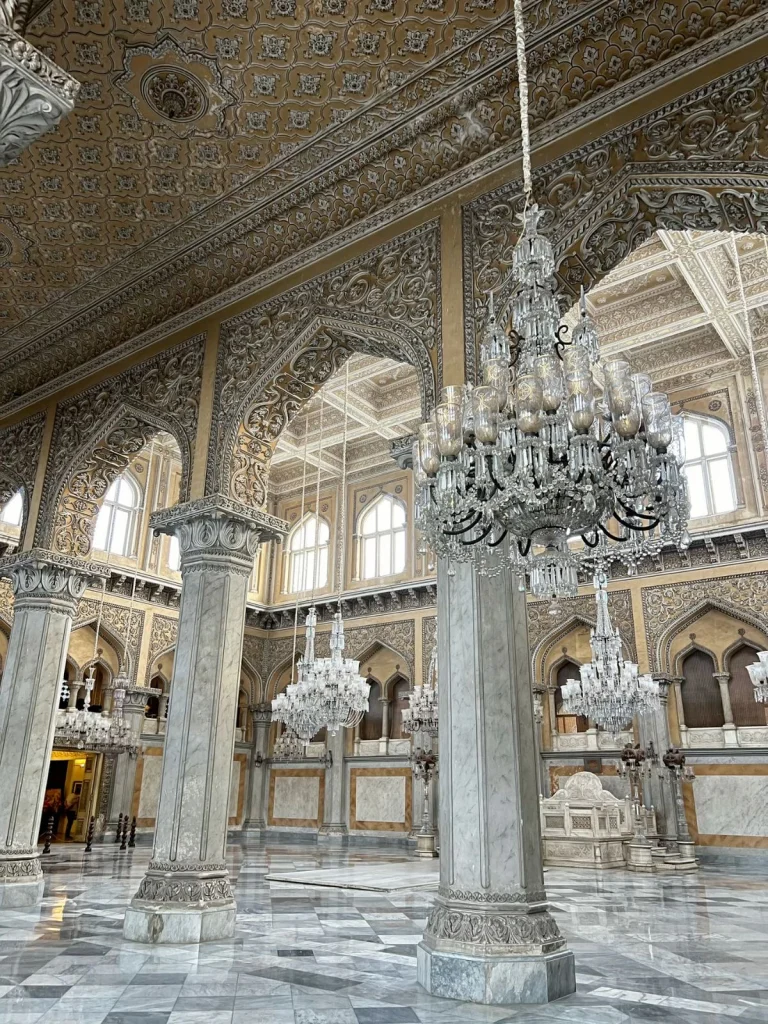
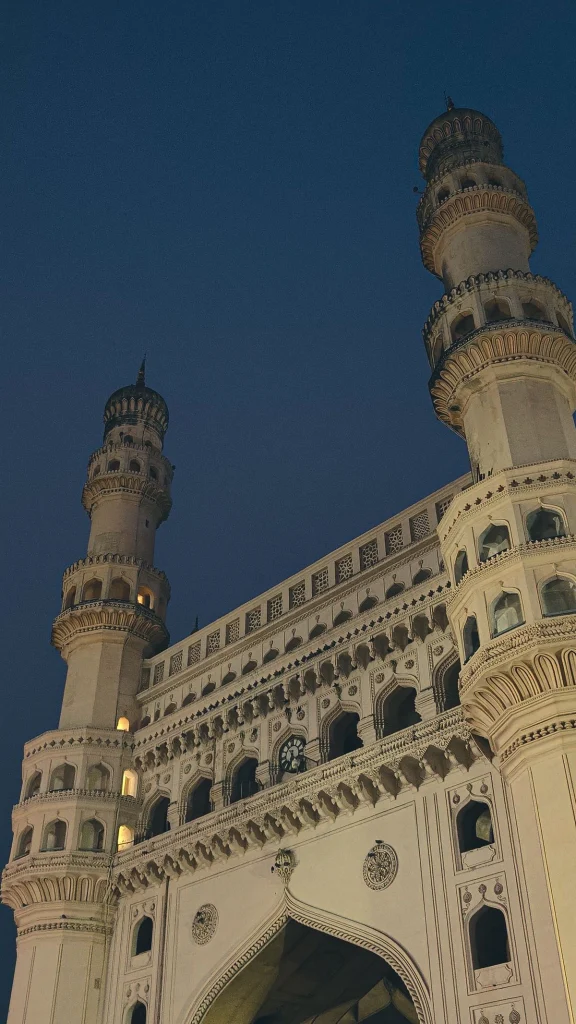
Hyderabad sits at the heart of the southern Indian peninsula, on the Deccan Plateau in the state of Telangana, roughly midway between Delhi and the southern coast. Founded in 1591 by Muhammad Quli Qutb Shah, the city grew up around the Charminar, whose four minarets still anchor the old quarter alongside Golconda Fort and the Qutb Shahi Tombs. Under the Nizams who ruled for generations after, Hyderabad became a centre of Deccan-Persian art, pearls, and trade — a heritage still visible in its architecture and bazaars, and on its table: Hyderabadi biryani, slow-cooked haleem, and Irani chai served in decades-old cafés remain as much a part of the city as its monuments. Delegates with time to explore will find the old city, the Charminar, Golconda Fort, and the Chowmahalla Palace walkable within a single visit. Alongside this history, Hyderabad is home to India’s largest life sciences hub, producing nearly a third of the country’s pharmaceuticals and roughly a third of the world’s vaccine doses. Genome Valley, on the city’s outskirts, hosts more than 200 biotech and pharmaceutical companies. It’s a city where centuries of history and a fast-growing research economy sit side by side.
Getting to the Venue
By Air
The nearest airport is Rajiv Gandhi International Airport (Shamshabad), which is connected by frequent domestic flights from all major Indian cities and direct international flights from the Middle East, Southeast Asia, and Europe. The campus is approximately 30–35 km from the airport. Uber and Ola cabs are readily available and are the most convenient way to reach the campus. The journey takes around 40–60 minutes, depending on traffic conditions.
By Rail
Secunderabad Railway Station is the most convenient station for delegates, with regular express and superfast trains from Delhi, Mumbai, Chennai, Bengaluru, and other major cities (Kacheguda and Nampally stations are also well connected). The campus is about 20–25 km from Secunderabad, and an Uber/Ola cab takes around 30–45 minutes, depending on traffic conditions.
By Road
The campus is located in Bahadurpally, Jeedimetla, off the Outer Ring Road. It is around 25–30 km from the main city bus stations, Mahatma Gandhi Bus Station (MGBS) and Jubilee Bus Station. City bus route 227 runs from Secunderabad to Bahadurpally crossroads, which is a short auto-rickshaw ride from the campus. App-based cabs are the simplest option for most delegates.

Conference Visa
International participants requiring a conference visa to attend BPI 2026 are required to obtain the necessary clearance from the Ministry of External Affairs (MEA), Government of India, prior to applying for their conference visa.
The BPI 2026 Host will initiate the MEA clearance process on behalf of the participant. Once the required MEA political clearance is obtained, the relevant clearance document will be provided to the participant, who may then proceed with the Indian e-Conference Visa application.
How to Apply
1. Submit your personal details and supporting documents to the organizers for MEA clearance and visa formalities.
2. The organizers will request the required clearance letter from the MEA on your behalf.
3. Once approved, the organizers will provide you with the MEA Clearance Letter.
4. Using this document, apply for either an e-Conference Visa (recommended) or a Regular Conference Visa through the Indian Mission in your country.
Apply for the e-Conference Visa: Click here
Important Timeline
MEA clearance applications must be initiated at least 30 days prior to the conference. International participants are therefore requested to submit all required information and documents well in advance to allow sufficient processing time.
Eligibility Notes
- Participants should confirm their country’s eligibility for the e-Conference Visa before applying: Click here
- If your country is not listed, please apply for a regular conference visa through the nearest Indian Embassy or Consulate.
- Accompanying persons not attending the conference should apply for an e-Tourist Visa.
- The e-Conference Visa may be combined with tourism; however, a tourist or on-arrival visa cannot be used to attend the conference.
Visa Guidelines
For detailed information on the Indian conference visa process, required documents, and application procedure, international participants may refer to the Visa Guidelines for International Participants.
Visa Assistance
For queries related to MEA clearance or conference visa documentation.
Please contact: Zainab Kausar, Student Volunteer, BPI 2026
Email: se25mmbt008@mahindrauniversity.edu.in / bpi2026@mahindrauniversity.edu.in
Contact Us
- For Sponsorship and patron enquiries: Prof. Srishti Joshi: srishti.joshi@mahindrauniversity.edu.in
- For Registration and abstract submissions: bpi2026@mahindrauniversity.edu.in
- For BPI Society membership: bioprocessing.india.society@gmail.com
- For Visa Assistance: Zainab Kausar, Student Volunteer: se25mmbt008@mahindrauniversity.edu.in
