










Advancing discovery, innovation, and applied research across disciplines.
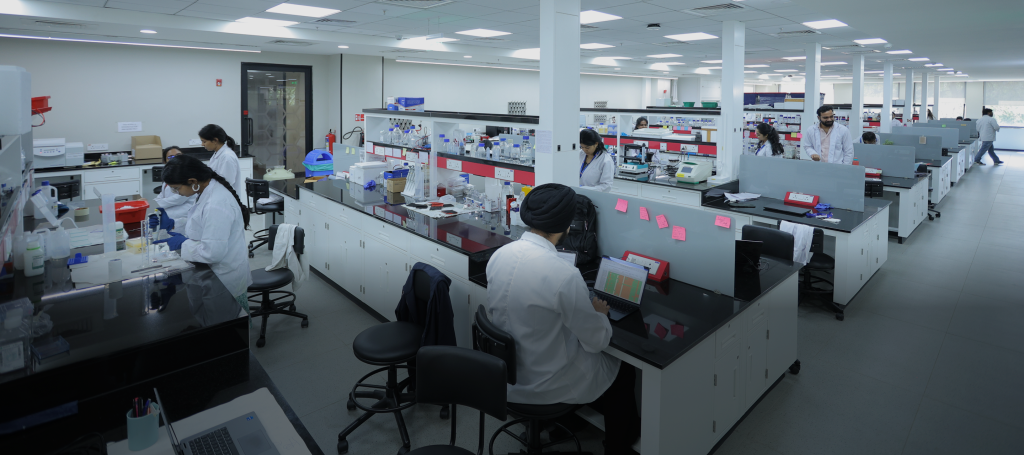
Mahindra University hosts a growing network of research laboratories that support fundamental inquiry, applied research, and technology development across engineering, sciences, computing, and interdisciplinary domains. These laboratories provide faculty and students with access to advanced infrastructure, specialised testbeds, and experimental platforms that enable rigorous research, industry collaboration, and real-world problem solving.

Supporting both discipline-specific inquiry and collaborative research across academic domains.
Enabling undergraduate, postgraduate, and doctoral students to undertake guided research and thesis work.
Facilitating industry- and government-funded projects that address applied and strategic research challenges.
Providing facilities for experimentation, prototyping, and system-level testing of research outcomes.
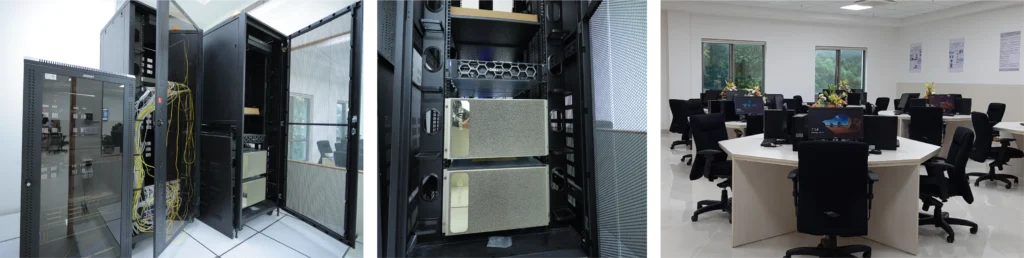
The Supercomputer Lab of Mahindra University was created from the baseline requirements for supporting high-intensity computations for Artificial Intelligence research and applications incorporating Machine learning, Deep learning and Data Science.
The core composition of this lab is the NVIDIA DGX A100 supercomputer platform, whose kernel is a dual AMD ROME CPU server with 256 processors and 16 (Ampere)A100 GPU cards made up of 1,10,592 NVIDIA CUDA cores, all connected through 12 NVSwitchs, which minimises internal communication overheads. The complex stack of components and software platform is built on this kernel, including NVIDIA Enterprises AI Deep Learning frameworks via NGC, libraries, and drivers.
NVIDIA DGX A100 NGC cloud management services support this software stack, which continually provides updates and additional inputs. The software stack comprises the most popular deep learning frameworks, NVIDIA DIGITS deep learning training application, third-party accelerated solutions, the NVIDIA Deep Learning SDK, NVIDIA Docker and drivers.
The platform runs a comprehensive AI and HPC software stack that includes:
The system is designed to accelerate training and inference of complex neural networks by leveraging massive GPU parallelism, significantly reducing computation time compared to traditional CPU-based systems.
The laboratory is integrated with high-performance CPU nodes and is being enhanced with high-speed InfiniBand networking to support distributed computing and large-scale simulations across multiple nodes.
Additional capabilities include support for multi-user access through workload managers such as SLURM, enabling efficient resource allocation, job scheduling, and secure usage across research groups.
This facility enables a wide range of applications including AI model development, scientific simulations, engineering design, and interdisciplinary research, positioning Mahindra University at the forefront of advanced computing and innovation. The Supercomputer Lab is further supported by dedicated CPU-only compute nodes designed for high-performance parallel processing and simulation workloads. This includes Dell EMC PowerEdge R740 and R750 servers equipped with dual Intel Xeon Platinum processors (Cascade Lake and Ice Lake architectures), offering up to 64 cores and 128 threads per node. These systems are provisioned with 512 GB of system memory and high-capacity storage configurations, including multi-terabyte SSD and HDD setups. The CPU nodes complement the GPU infrastructure by efficiently handling workloads such as scientific simulations, data preprocessing, and applications not optimized for GPU acceleration, thereby enabling a balanced and versatile HPC environment.
| Component | Qty | Description |
|---|---|---|
| Base Server | 2 | Dual AMD “Rome” CPU motherboard with x2 3200 GT/s OPI & 8 Channel with 4 DPC DDR4, AMD Infinity Guard |
| 2 | GPU Baseboard supporting 8x SXM4 modules (with NVSwitch) and 4 PCIe Gen4 x16 slots for InfiniBand/Ethernet NICs | |
| 2 | Chassis with 6 x 3000W Power Supply and support for up to five 2.5 inch drives | |
| 2 | 10/200BASE-T IPMI Port | |
| 2 | RS232 Serial Port | |
| 4 | USB 3.0 Ports | |
| Power Supply | 12 | 3000 W each |
| CPU | 4 | AMD Rome 7742 64 cores total, 2.25 GHz (base), 3.4 GHz (max boost), 225W |
| GPU | 16 | NVIDIA A100 (Ampere 40GB) AI/Deep Learning GPUs |
| • 10 petaflop, Mixed Precision AI | ||
| • 20 petaflops, INT8 | ||
| • 40 GB memory per GPU with HBM2 and MIG Support | ||
| • 6,912 NVIDIA Tensor Cores per GPU card | ||
| • Total 1,10,592 NVIDIA CUDA Cores | ||
| System Memory | 64 | 32 GB DDR4 LRDIMM (2 TB total) |
| SAS Raid Controller | 2 | 8 port LSI SAS 3108 RAID Mezzanine |
| Storage (RAID 0) (Data) | 8 | 3.48 TB, 6 Gb/s, U.2 NVME |
| Storage (RAID 1) (OS) | 4 | 1.92 TB, 6 Gb/s, M.2 NVME |
| NVSwitch | 12 | 600 GB/s GPU-to-GPU bandwidth |
| InfiniBand HDR/200GbE NIC | 20 | 8x Single-Port Mellanox ConnectX-6 200Gb/s HDR InfiniBand (Compute Network) |
| 2x Dual-Port Mellanox ConnectX-6 200Gb/s HDR InfiniBand (Storage Network also used for Ethernet) |
CPU only Compute Node : Dell EMC PowerEdge R740
| Specification | Details |
|---|---|
| CPU | 2 × Intel Xeon Platinum 8260 @ 2.40GHz and @ 3.90GHz (max boost) Cascade Lake |
| Total Cores | 48 |
| Total Threads | 96 |
| Total Memory | 512 GB |
| HDD | 2 TB |
CPU only Compute Node : Dell EMC PowerEdge R750 iDRAC
| Specification | Details |
|---|---|
| CPU | 2 × Intel Xeon Platinum 8358 @ 2.60GHz and @ 3.40GHz (max boost) Ice Lake |
| Total Cores | 64 |
| Total Threads | 128 |
| Total Memory | 512 GB |
| SSD | 3.50 TB |
| HDD | 33 TB |
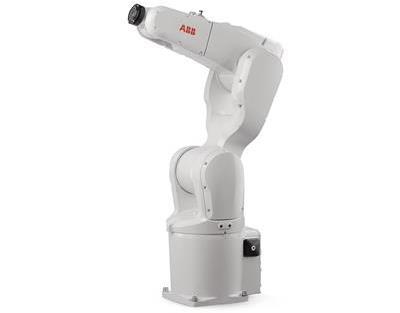
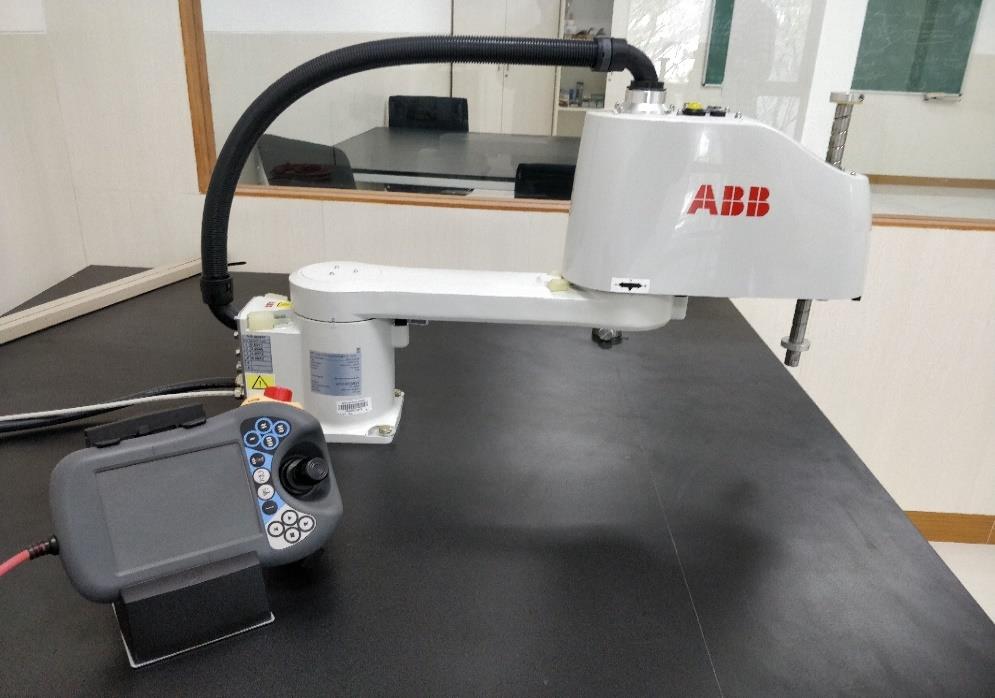
The robotics lab supports teaching, research, and innovation in industrial robotics, autonomous systems, and intelligent machines.
The lab enables students and researchers to work on real-world robotics problems and develop industry-relevant solutions.
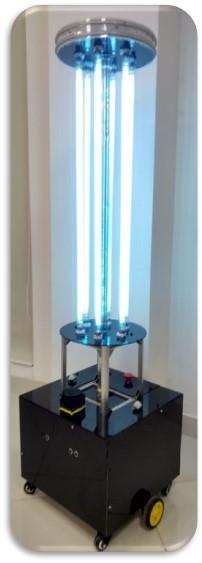
One notable product developed in the lab is MUDRA – an autonomous UV surface disinfectant robot.
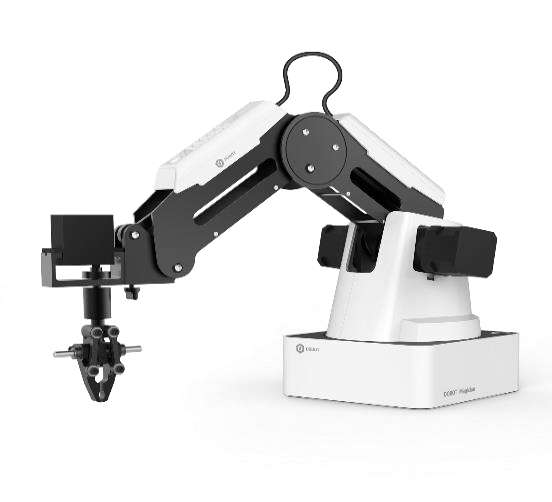
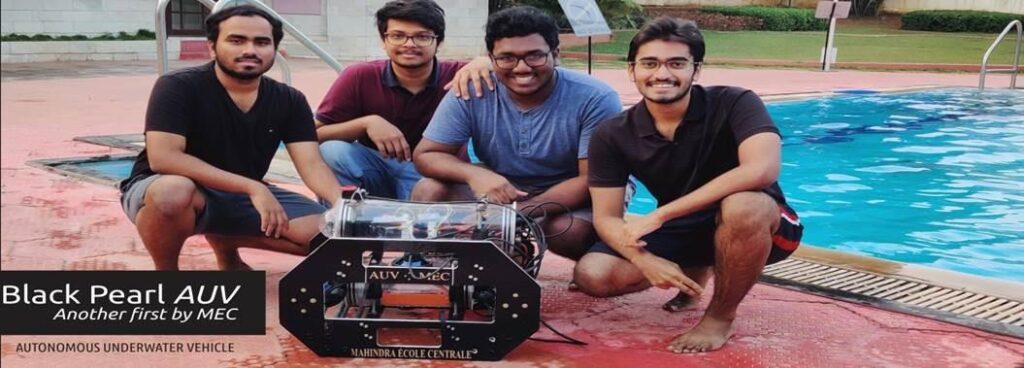
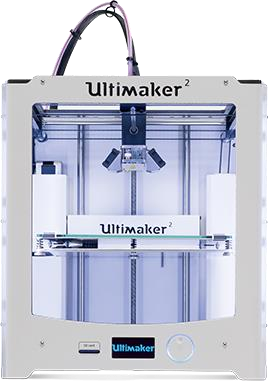
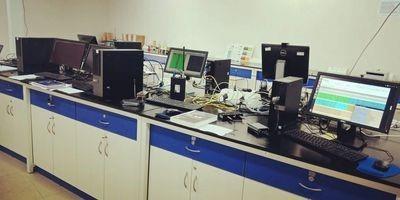
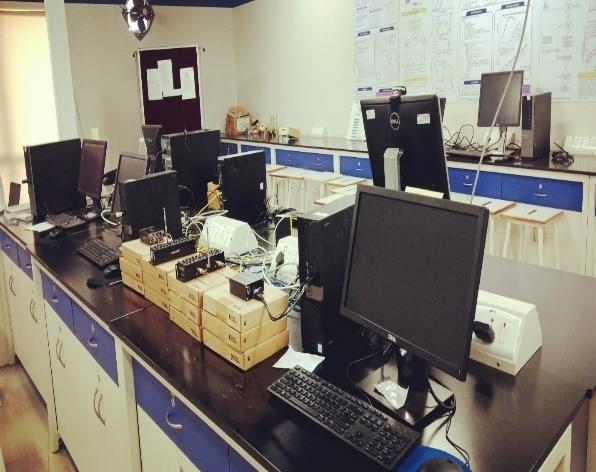
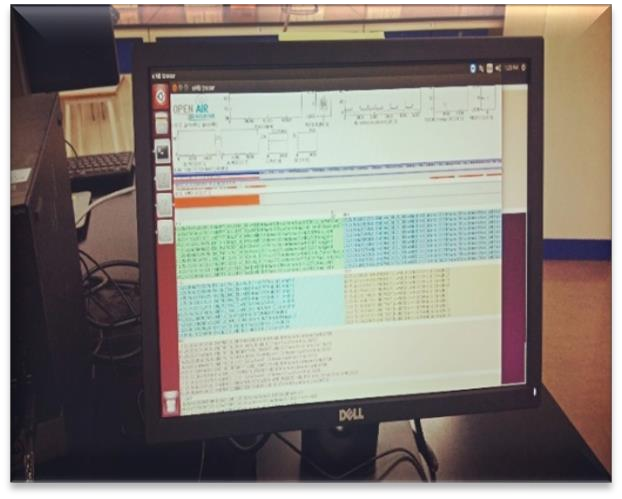
This lab focuses on research related to next-generation mobile networks and emerging wireless communication technologies.
Research areas include:
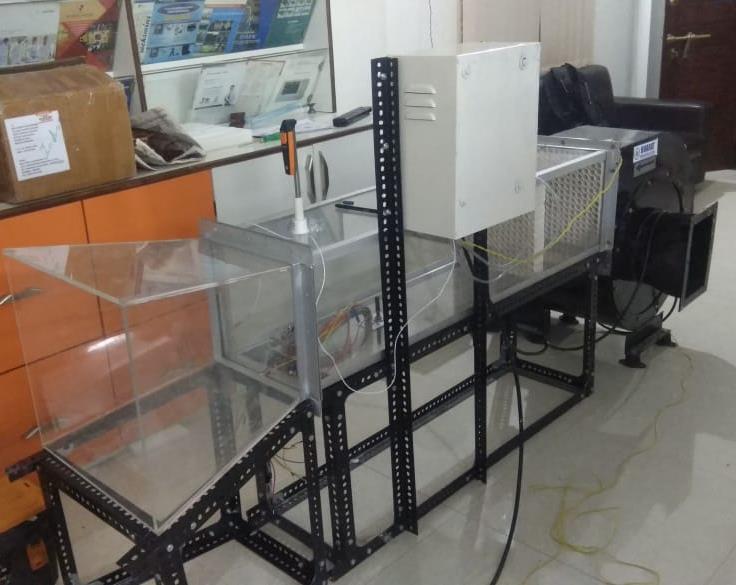
This laboratory supports experimental research in fluid dynamics, heat transfer mechanisms, and thermal system design. It enables investigations into flow behaviour, thermal performance, and energy systems relevant to mechanical and energy engineering applications.
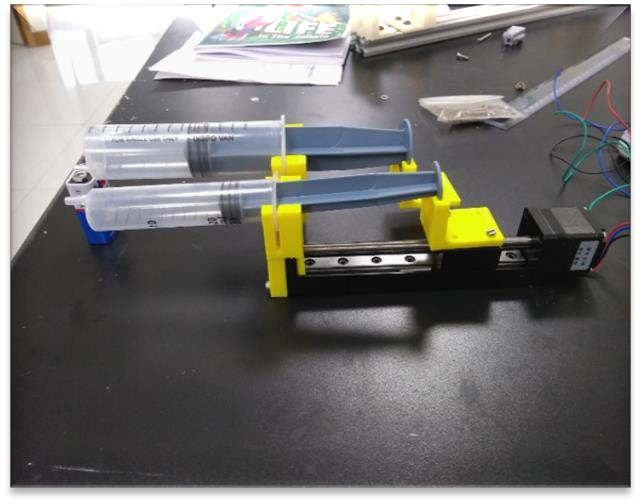
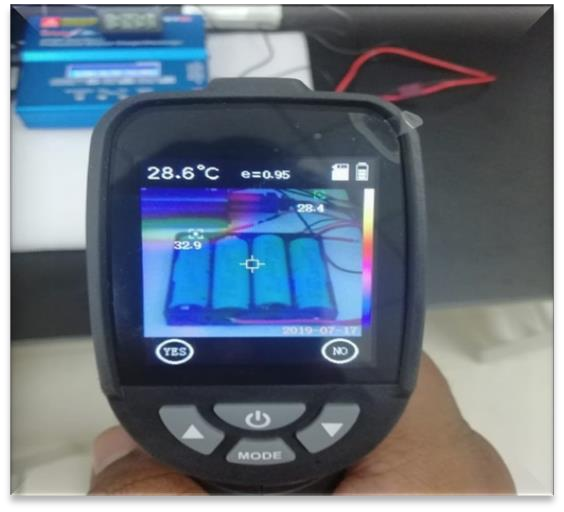
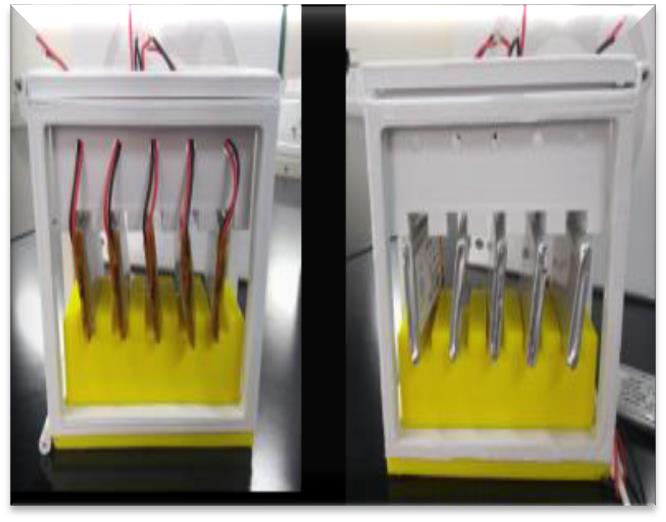
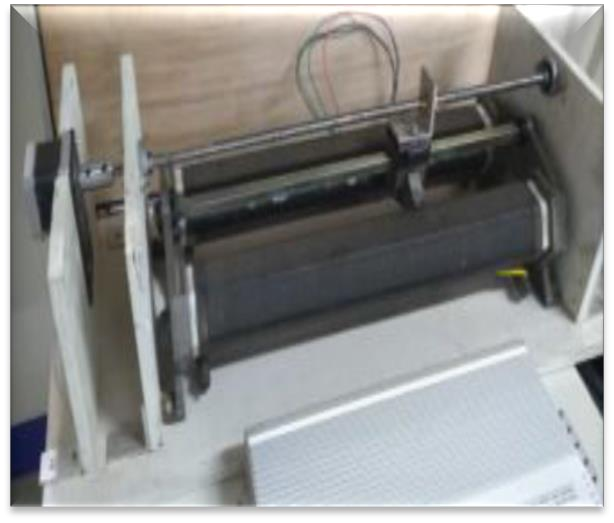
The tribology and materials research laboratory houses advanced equipment to study mechanical behaviour, wear, and structural properties of metallic and ceramic materials.
Typical activities include:
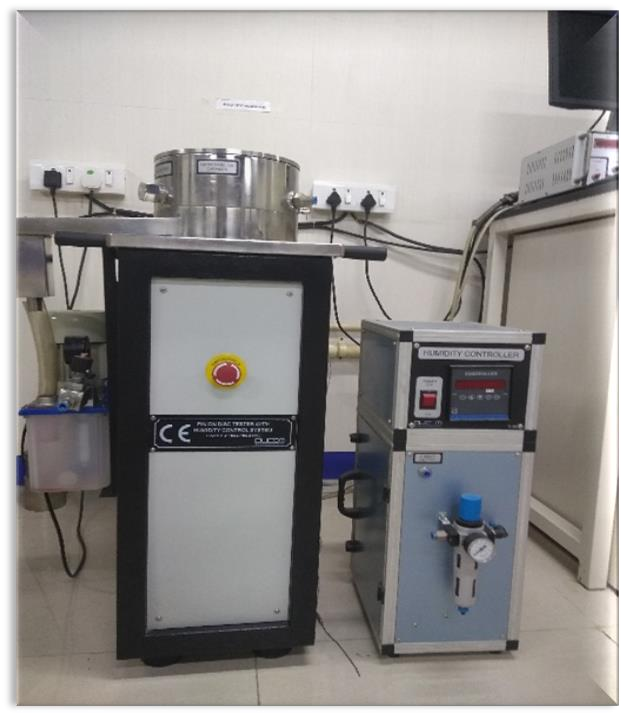
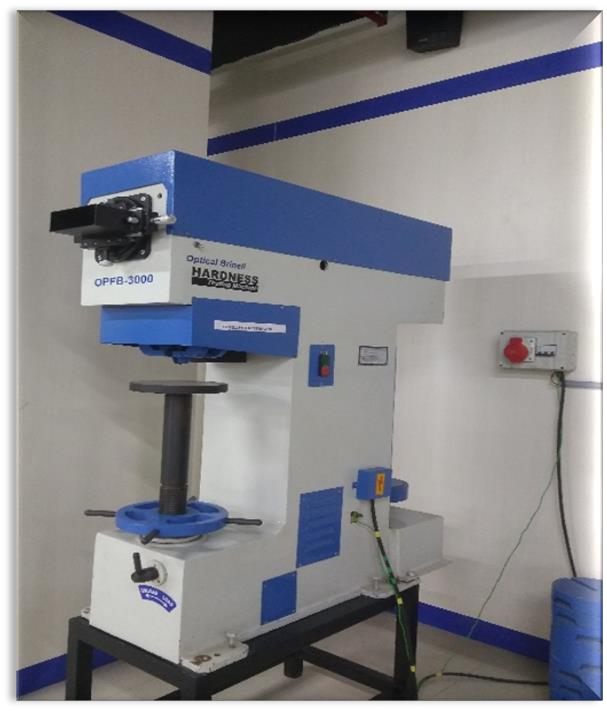
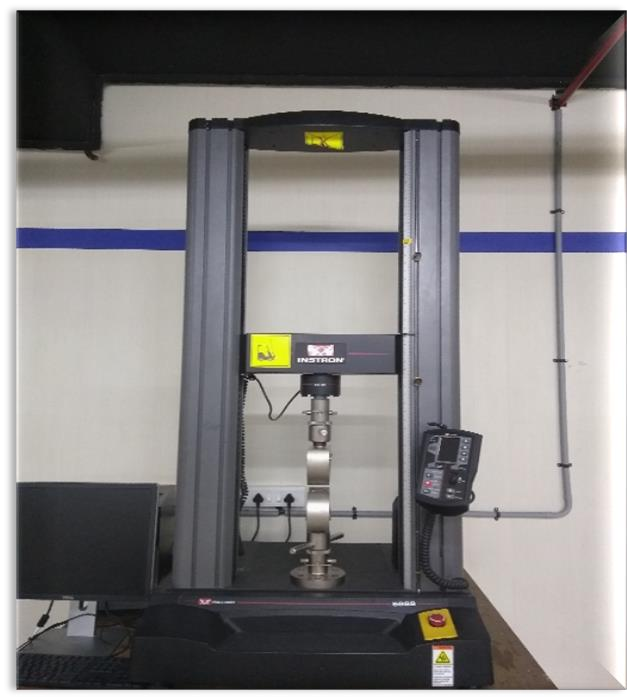
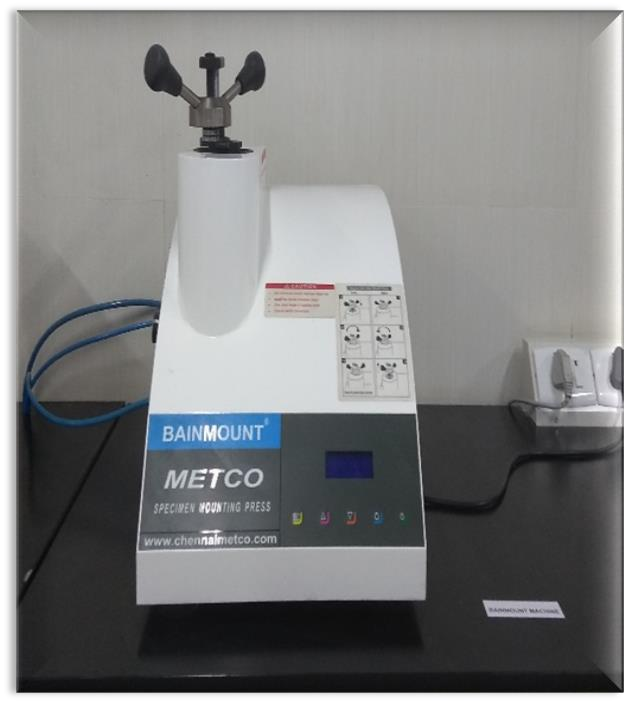
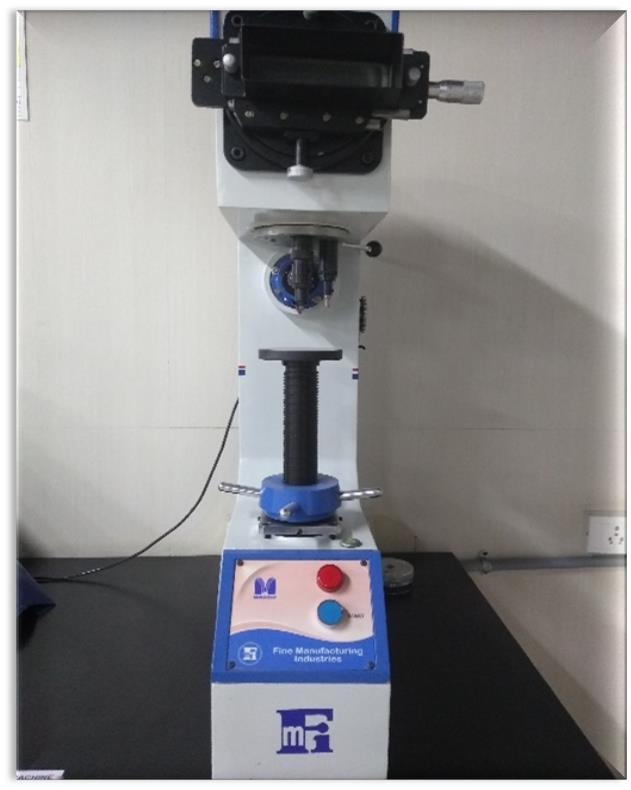
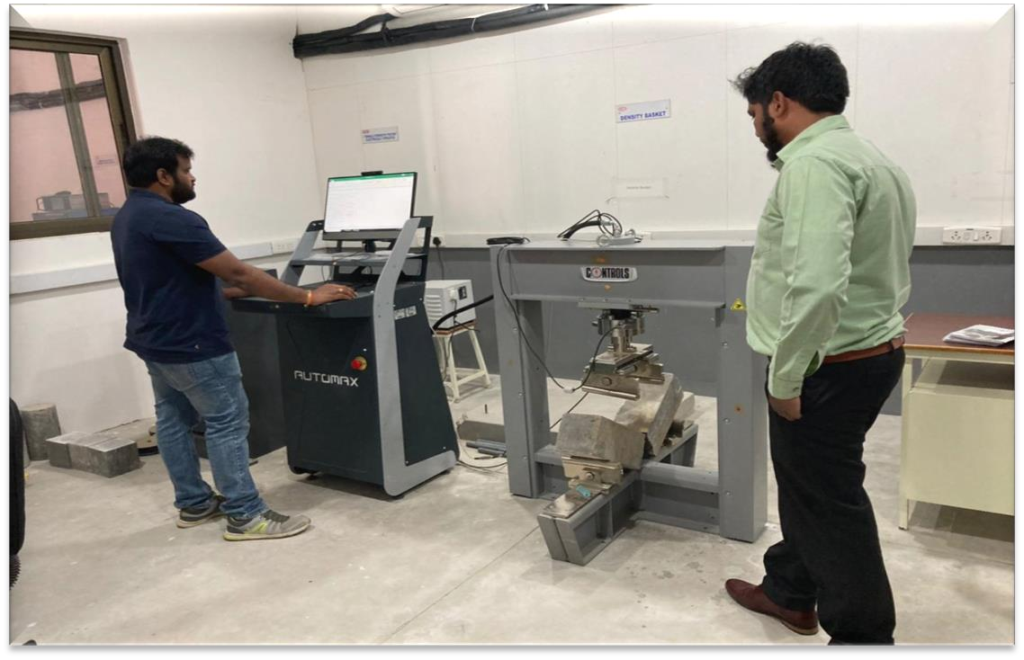
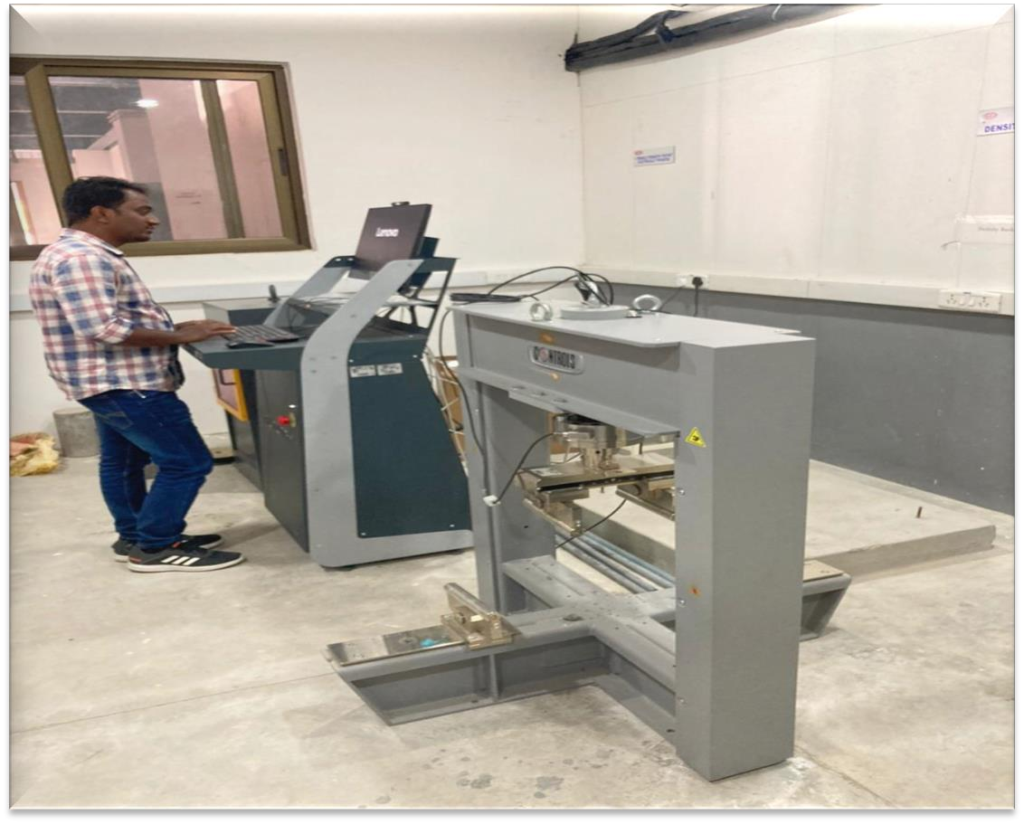
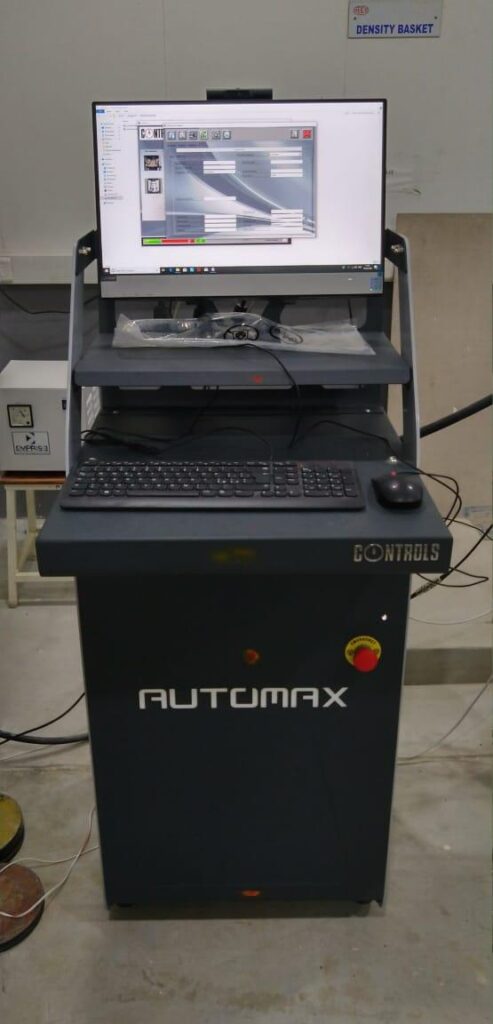
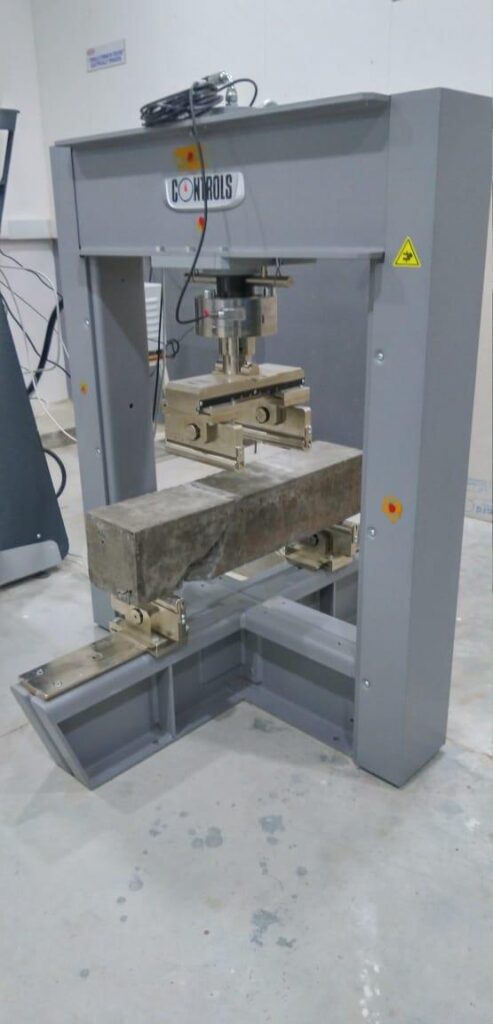
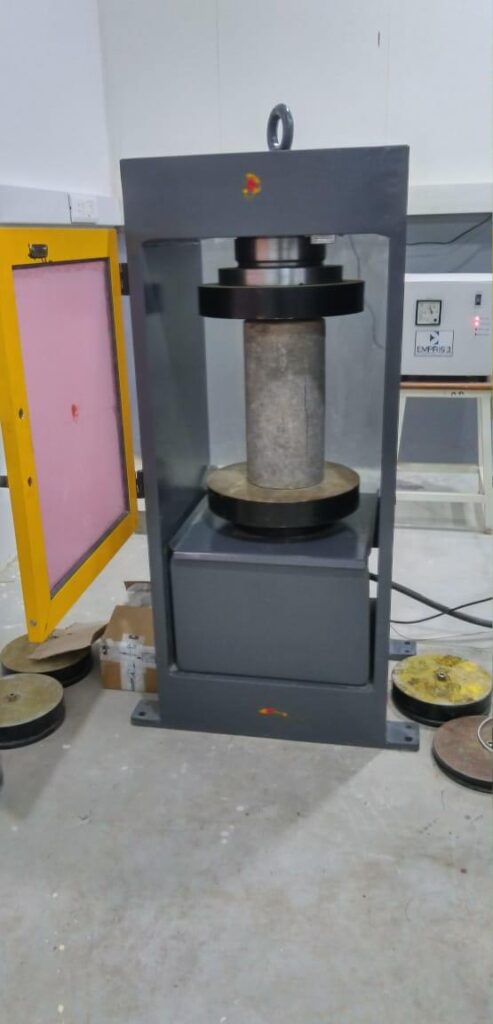
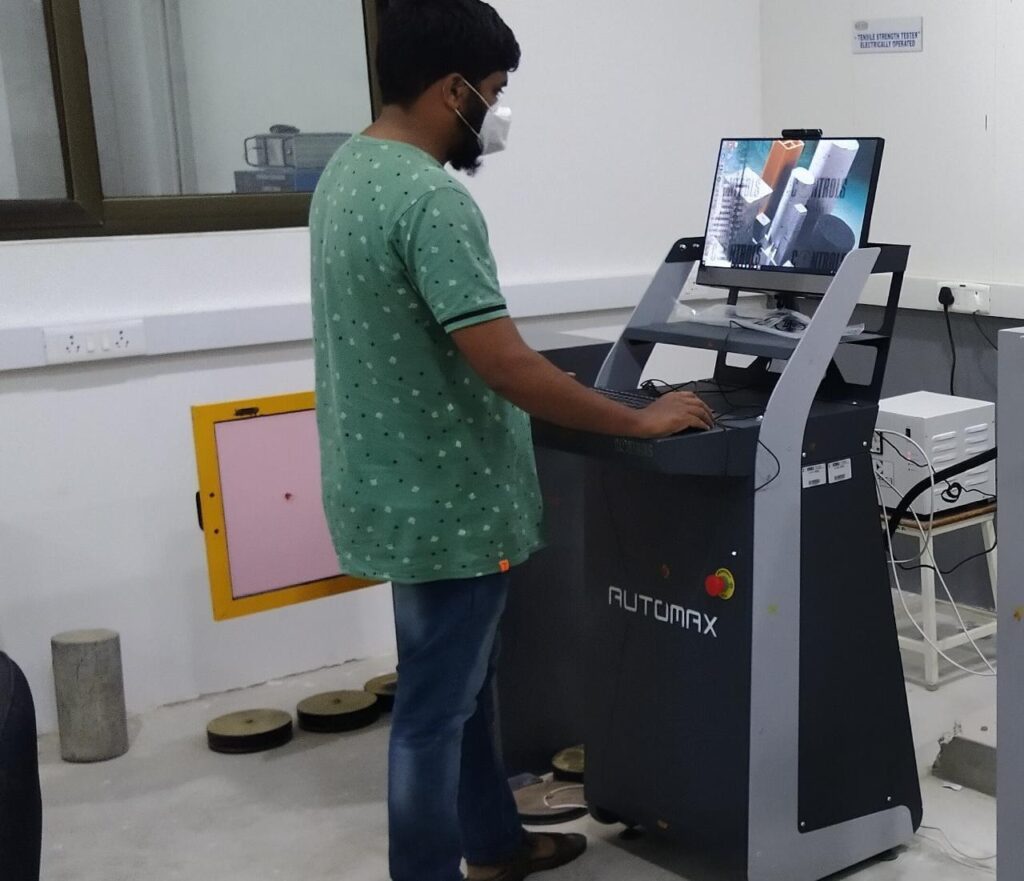
ThThe controls research lab supports experimental studies in structural and civil engineering testing.
Key equipment includes:
The lab supports advanced testing of concrete beams and structural materials, including evaluation of Young’s modulus and crack mouth opening displacement.
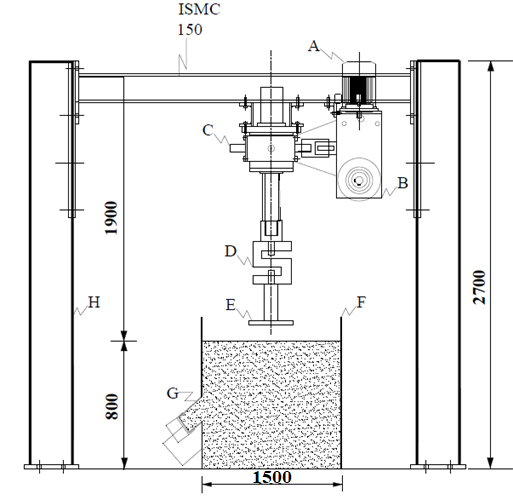
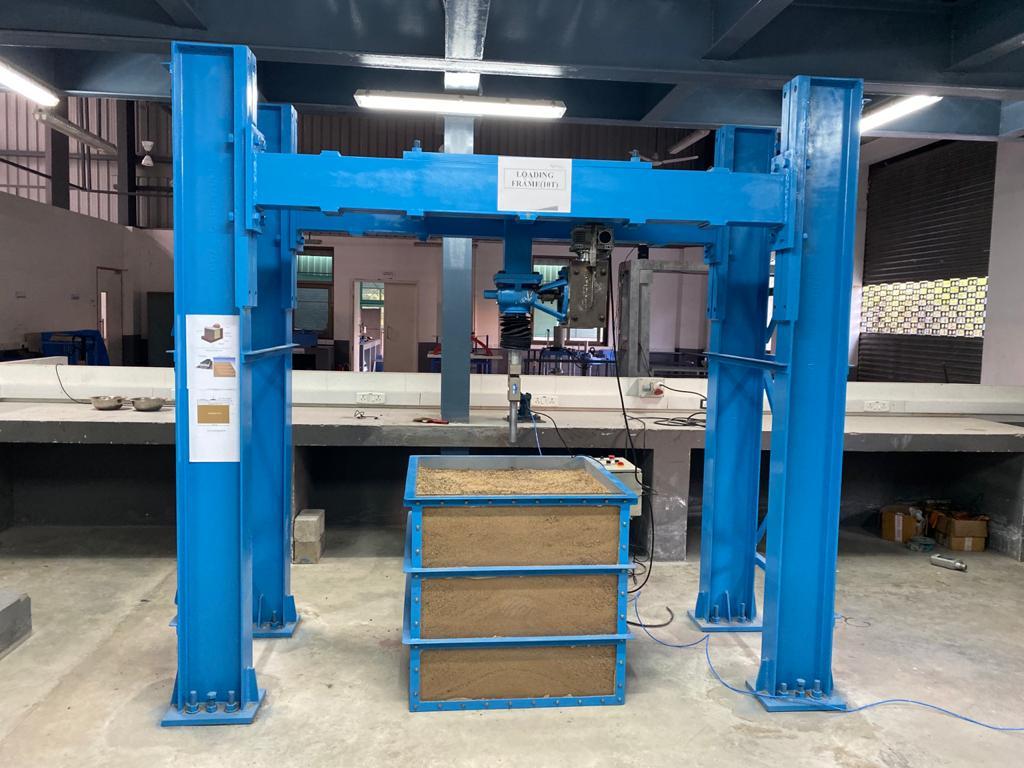
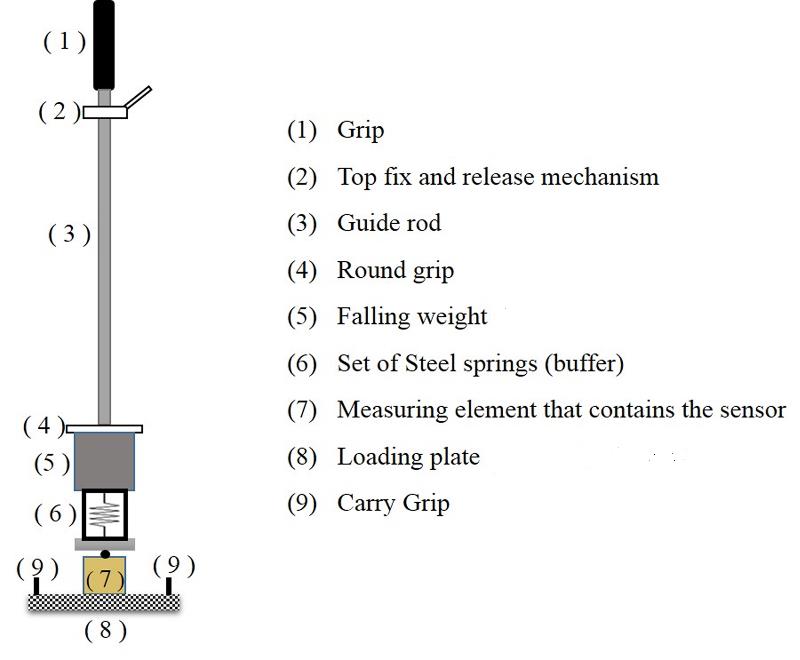
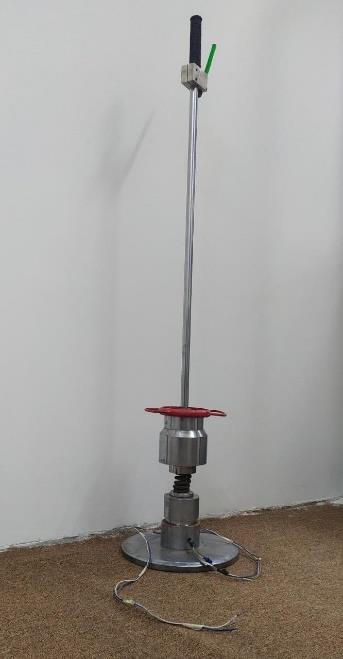
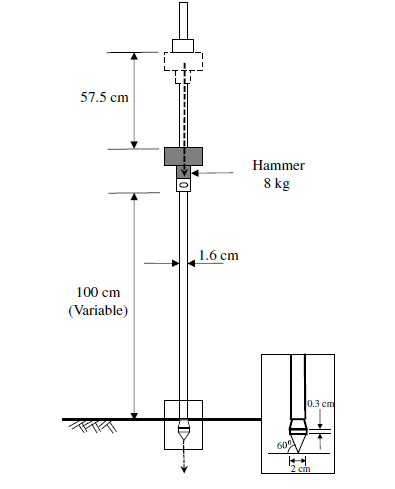
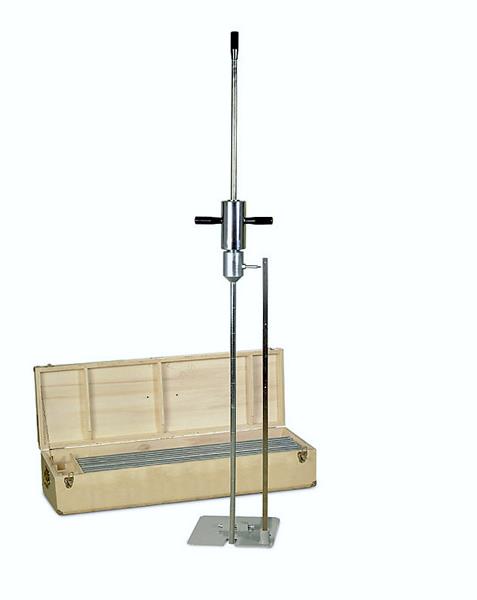
This lab supports experimental and computational research in soil mechanics, pavement engineering, and foundation behaviour.
Key facilities include:
These systems enable researchers to analyse pavement performance, soil behaviour, and structural responses under load.
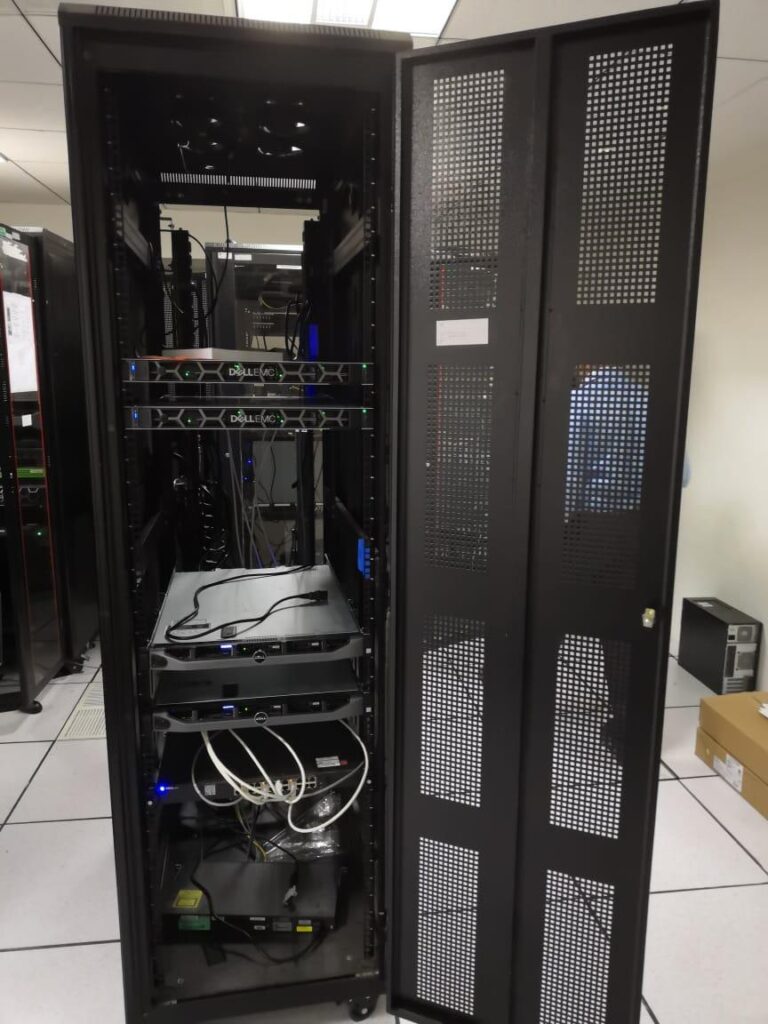
The high performance computing cluster supports large-scale simulations and computational research.
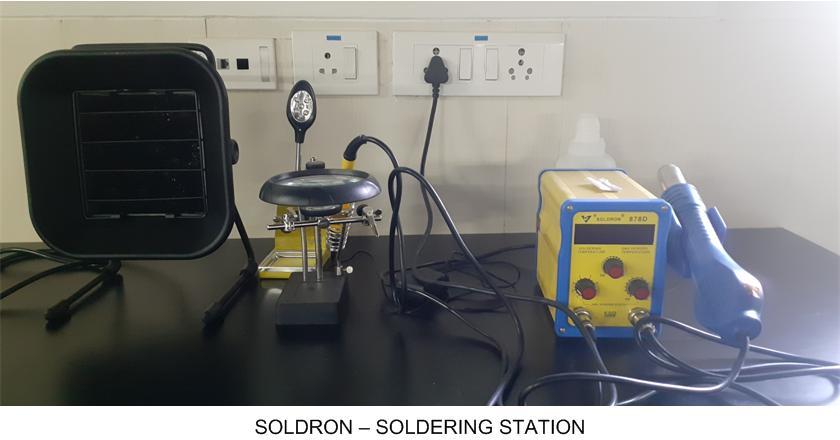
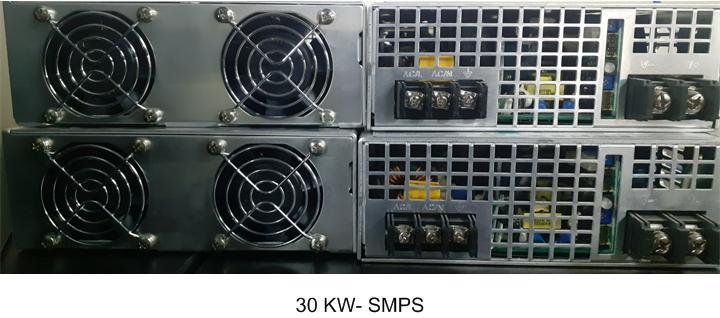
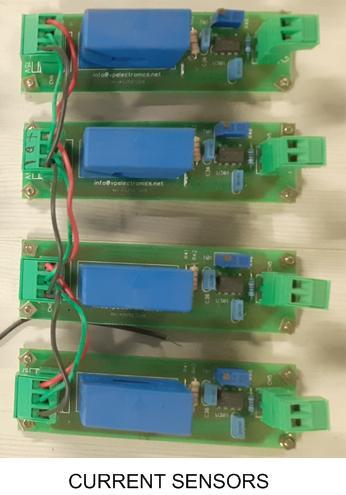
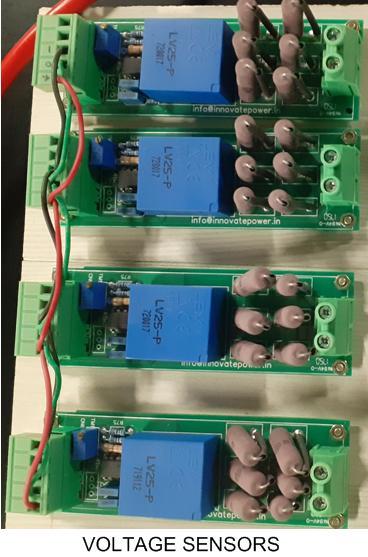
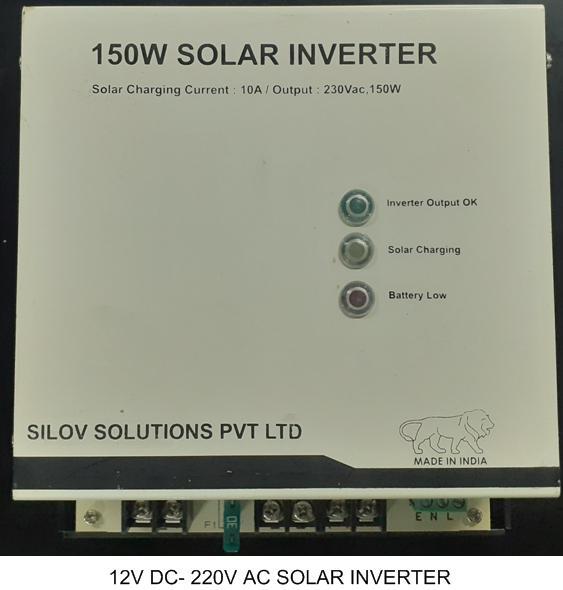
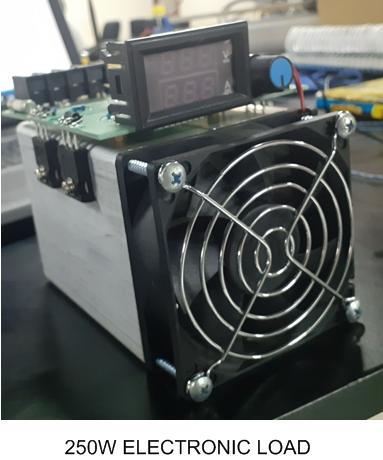
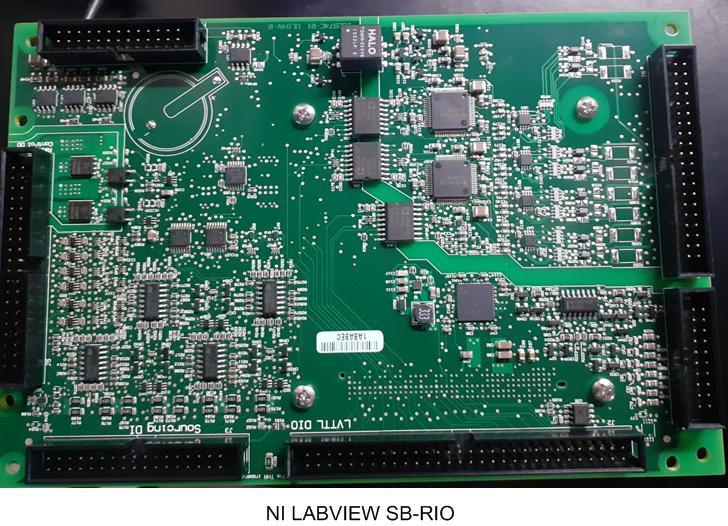
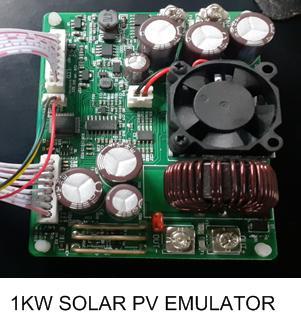
This lab supports research in energy systems, power electronics, and smart grid technologies, enabling experimentation with renewable energy integration, grid monitoring, and energy efficiency systems.
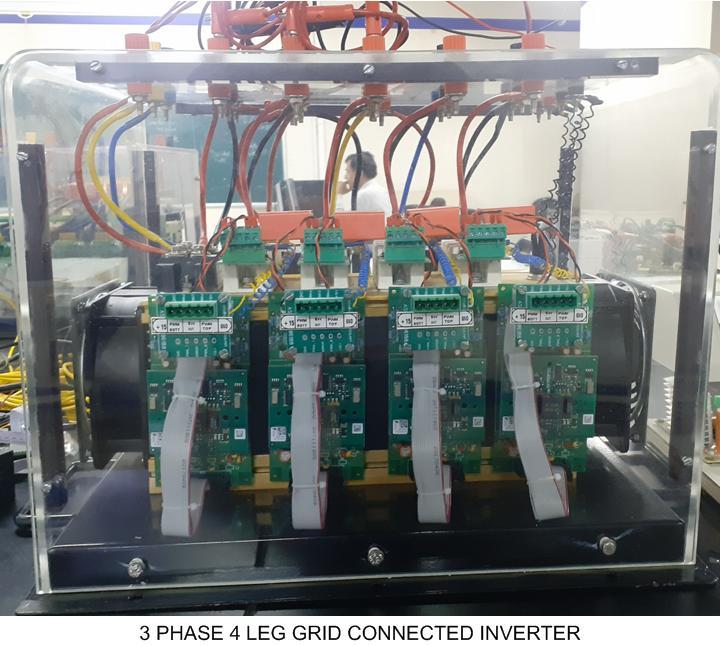
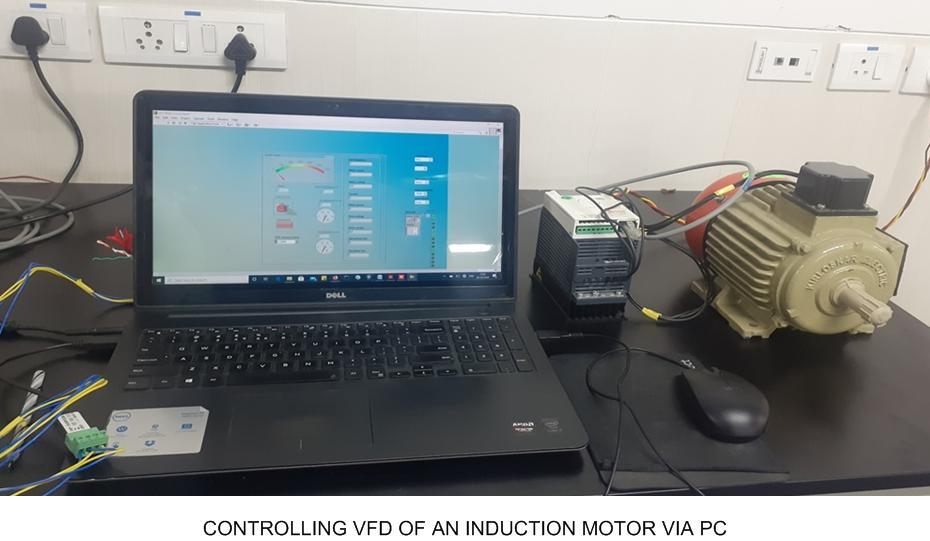
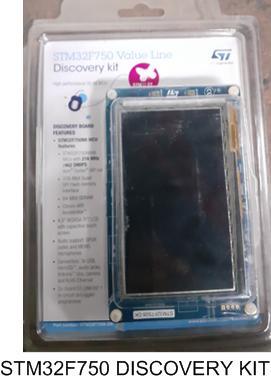
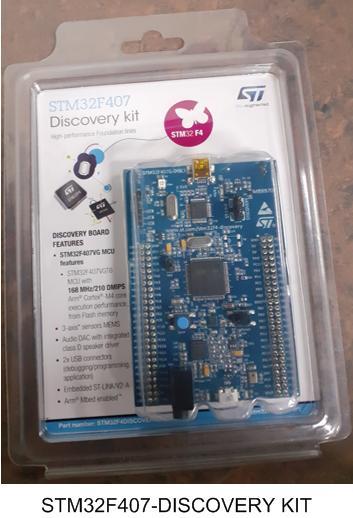
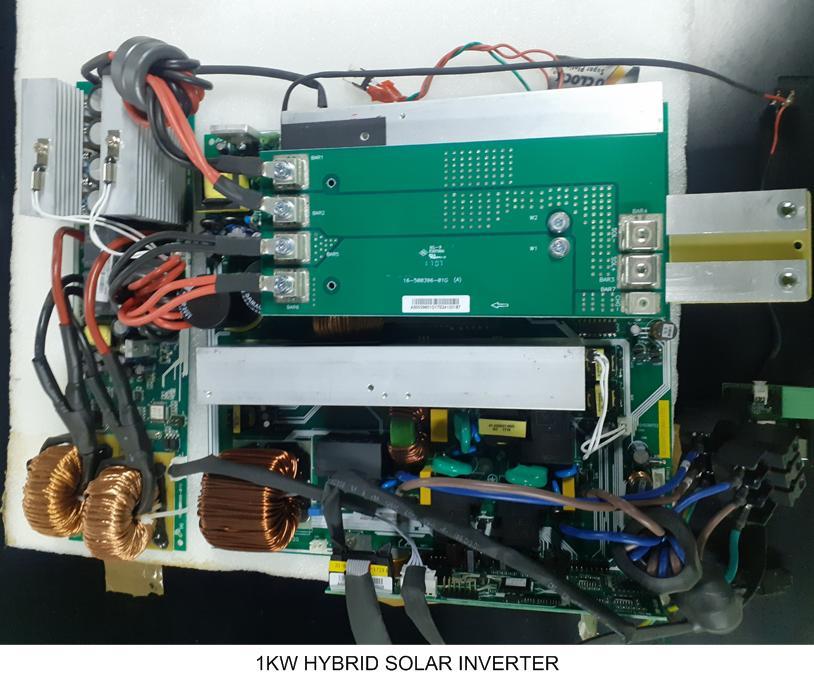
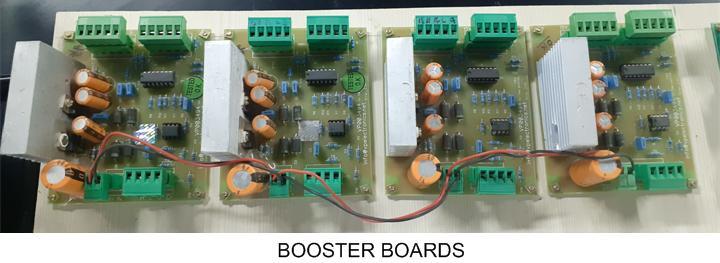
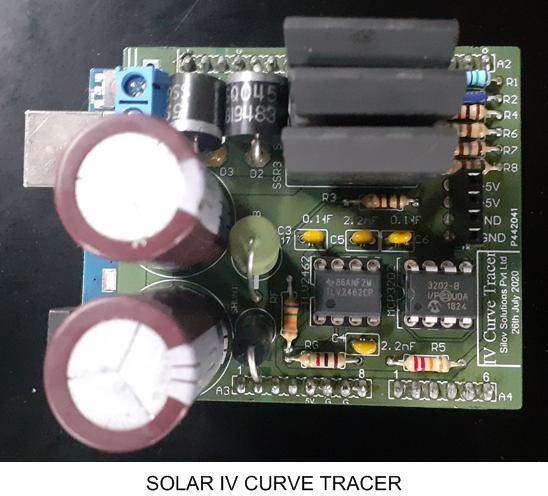
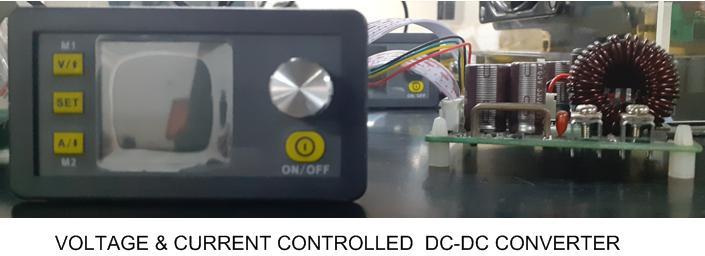
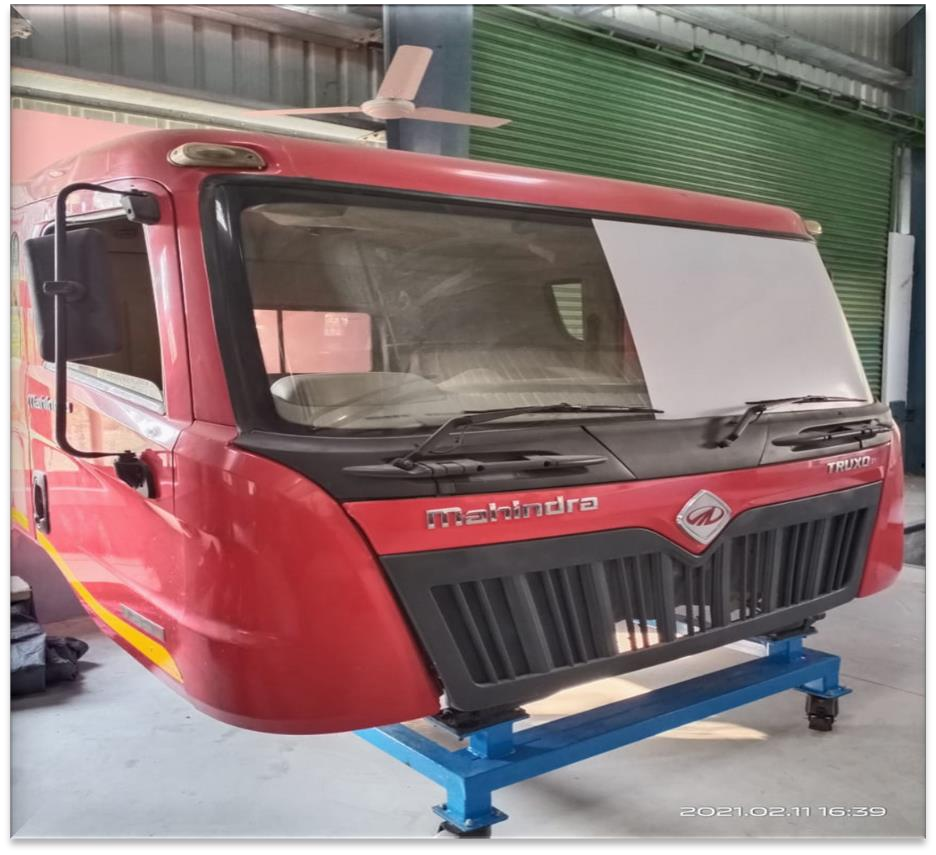
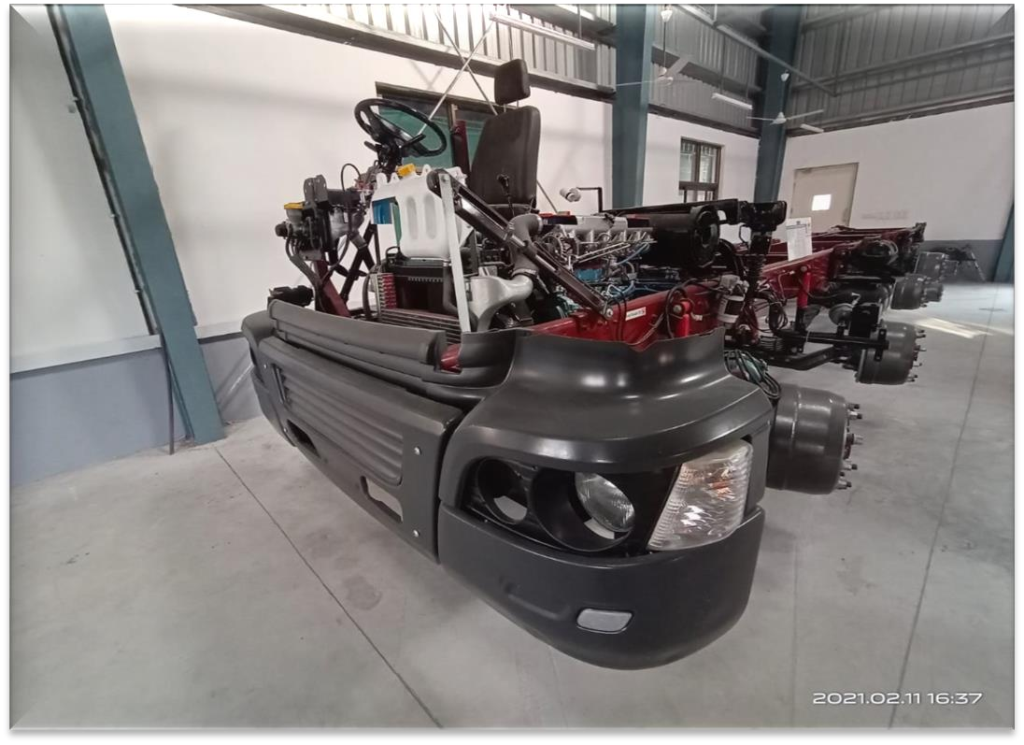
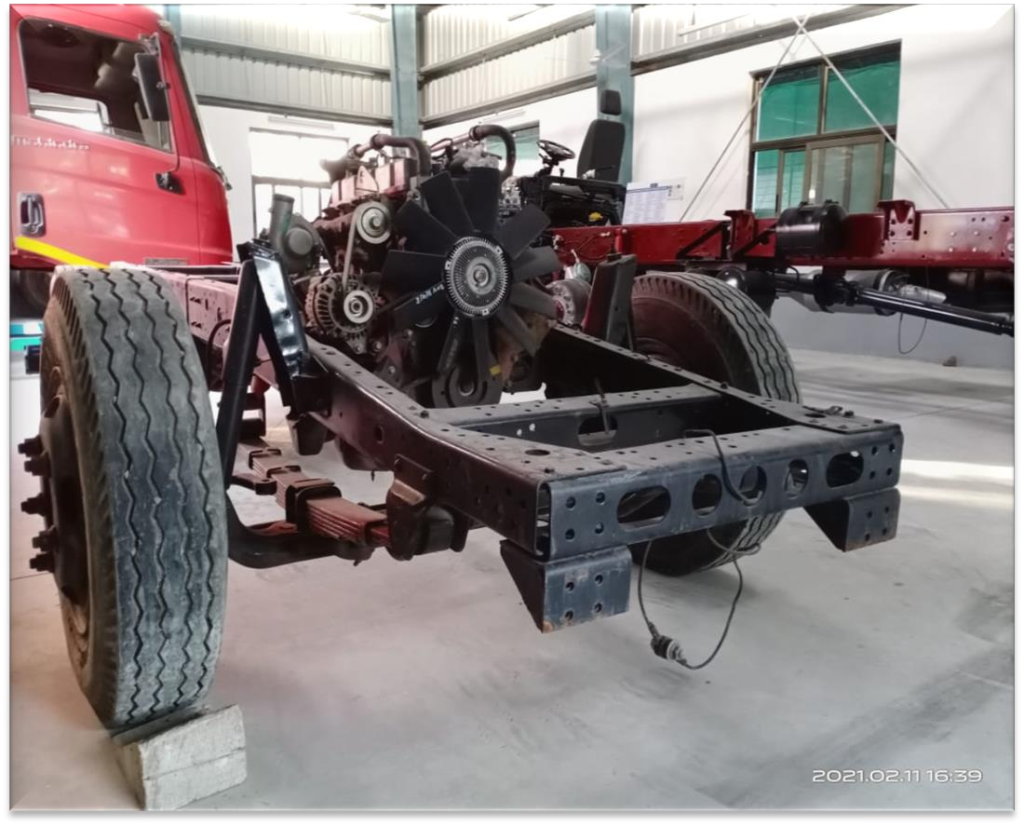
The autoThe automotive systems laboratory enables hands-on learning and research in vehicle systems, powertrain engineering, and automotive mechanics.
These systems allow visualisation of drivetrain components and their operational behaviour.
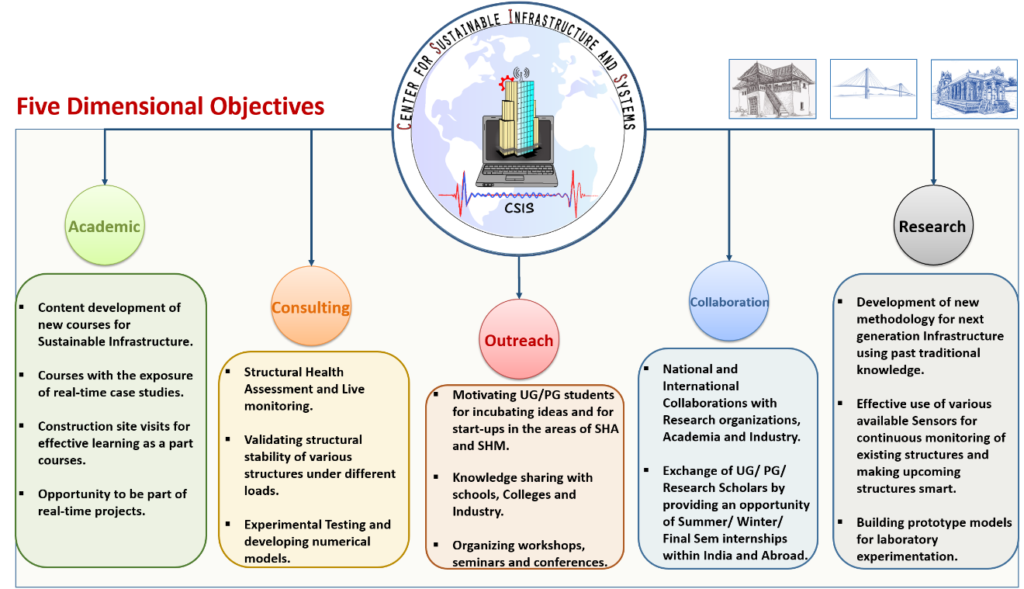
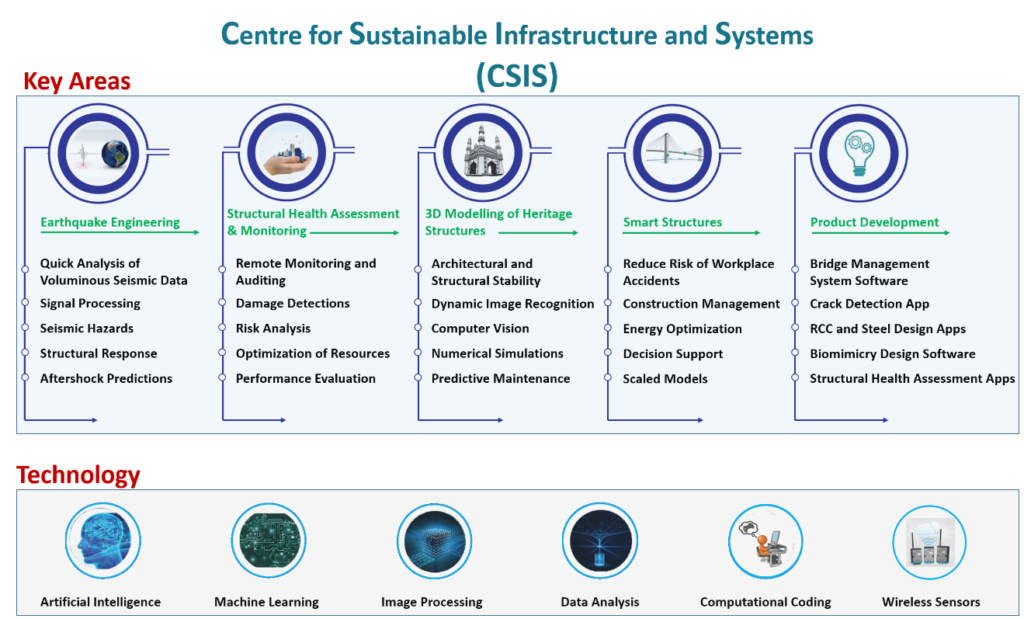
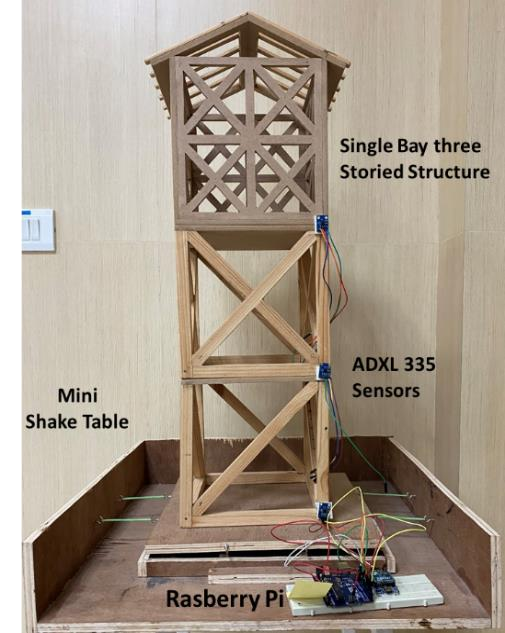
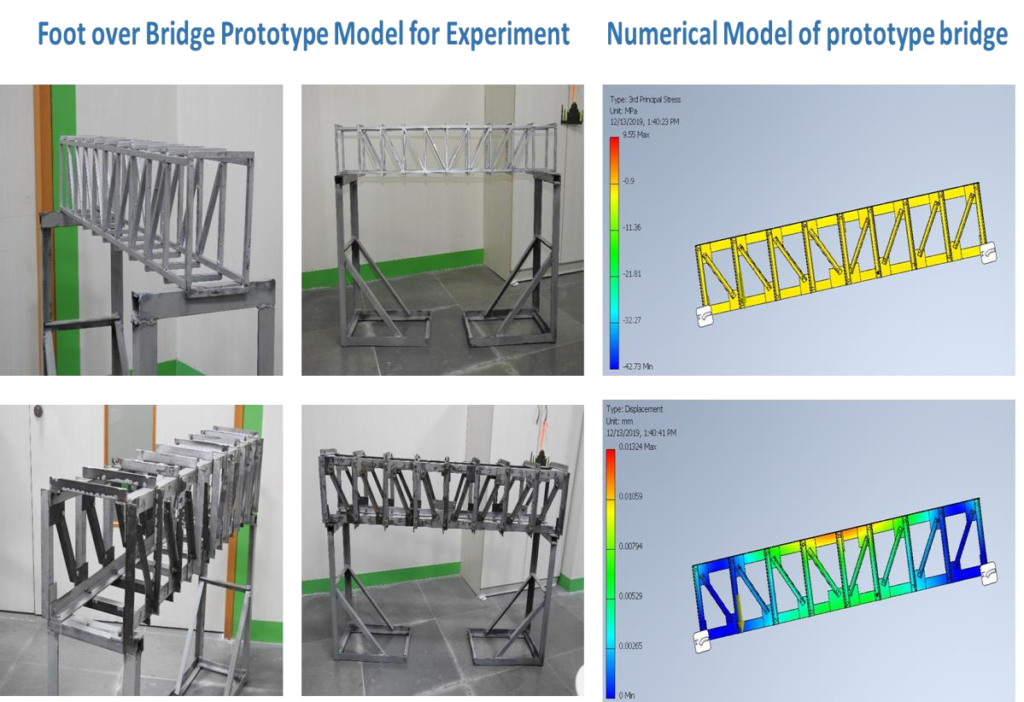
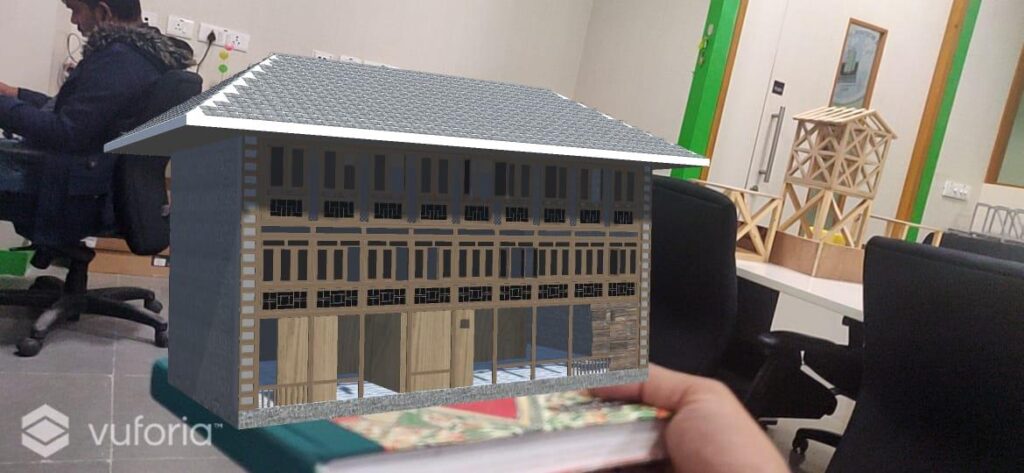
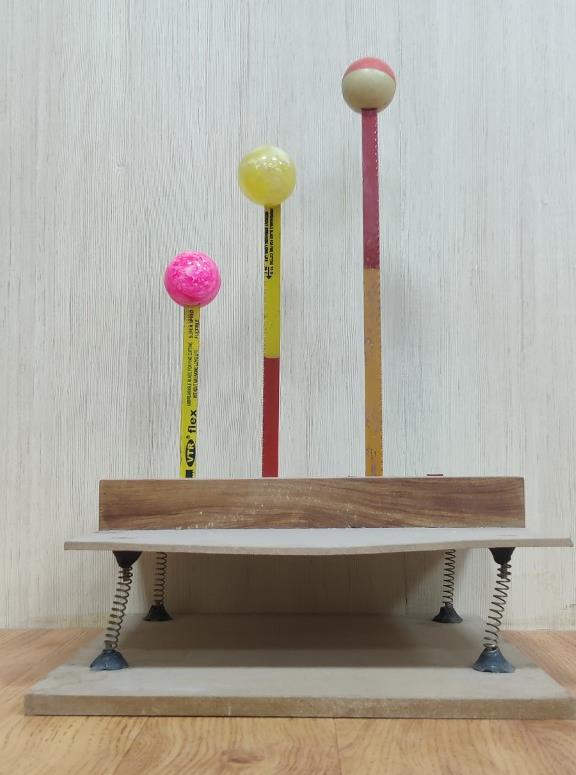
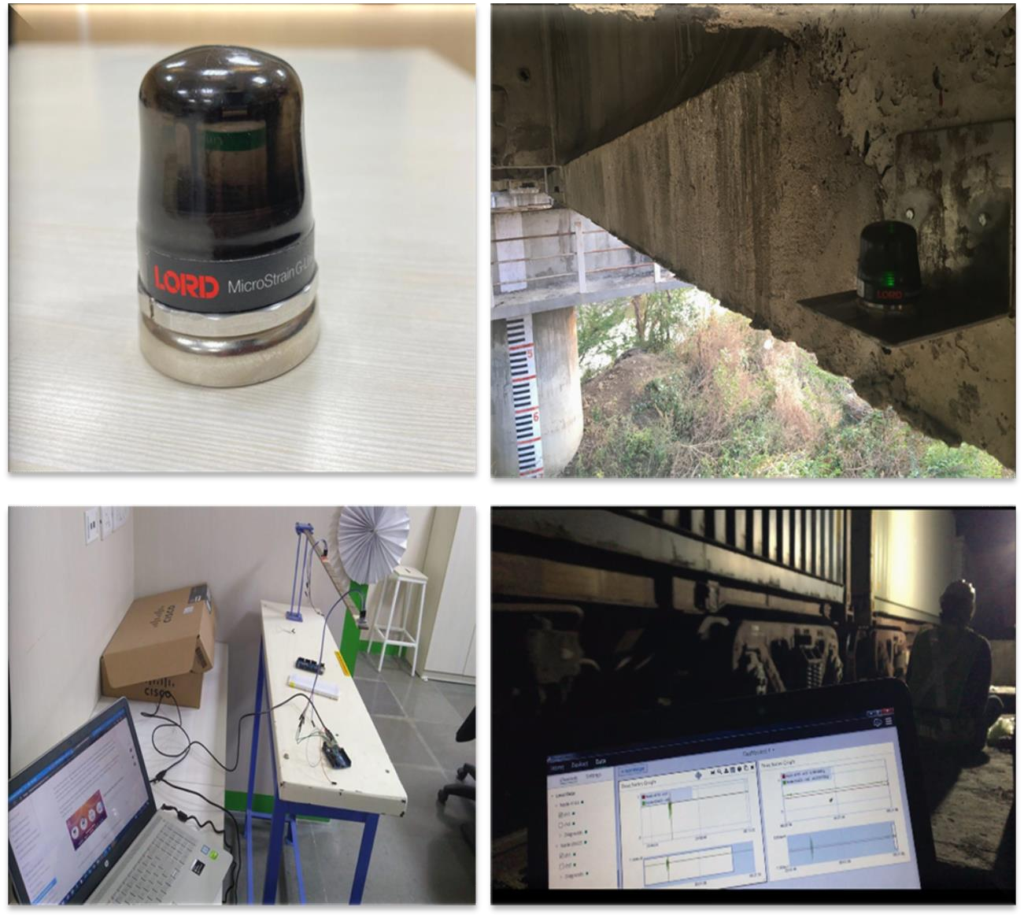
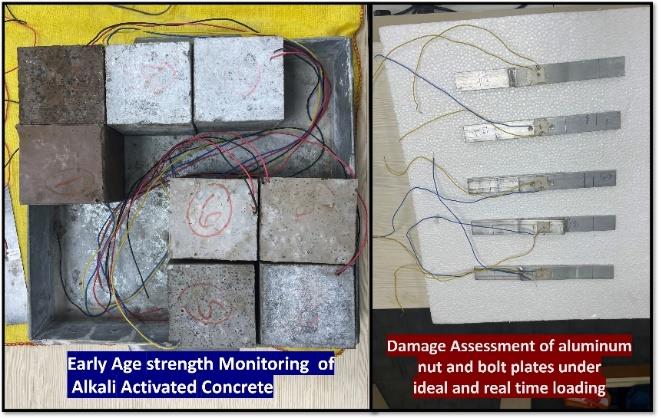
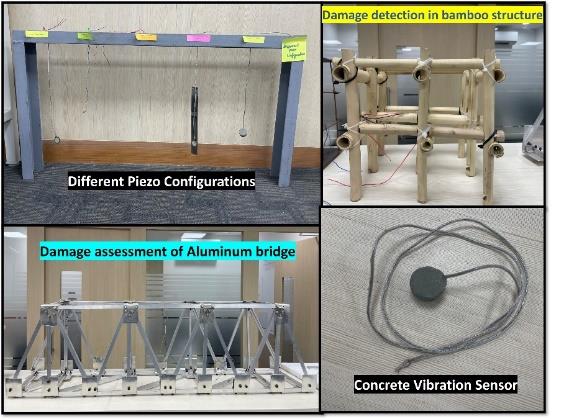
The centre for sustainable infrastructure and systems focuses on research in sustainable infrastructure, structural health monitoring, and resilient structural systems.
The centre works towards sustainable development through a three-dimensional mission focused on environment, economy, and societal safety.
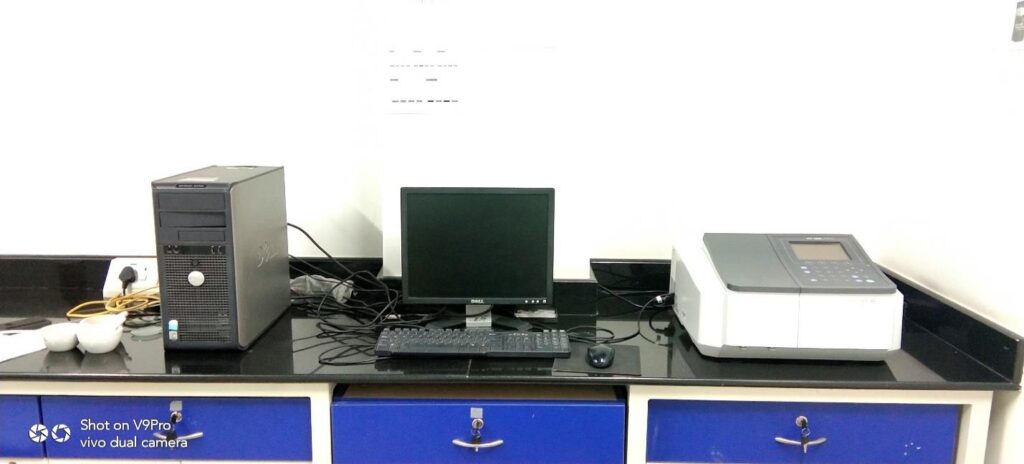
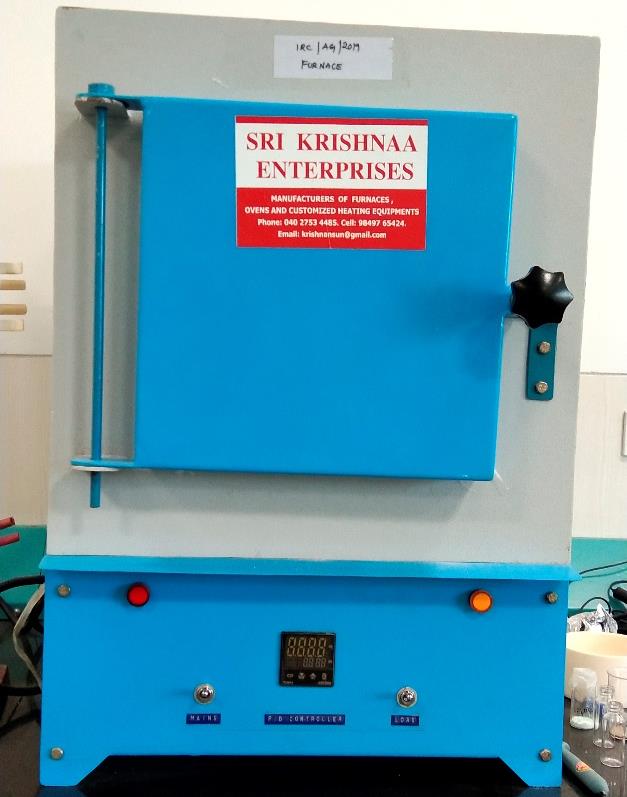
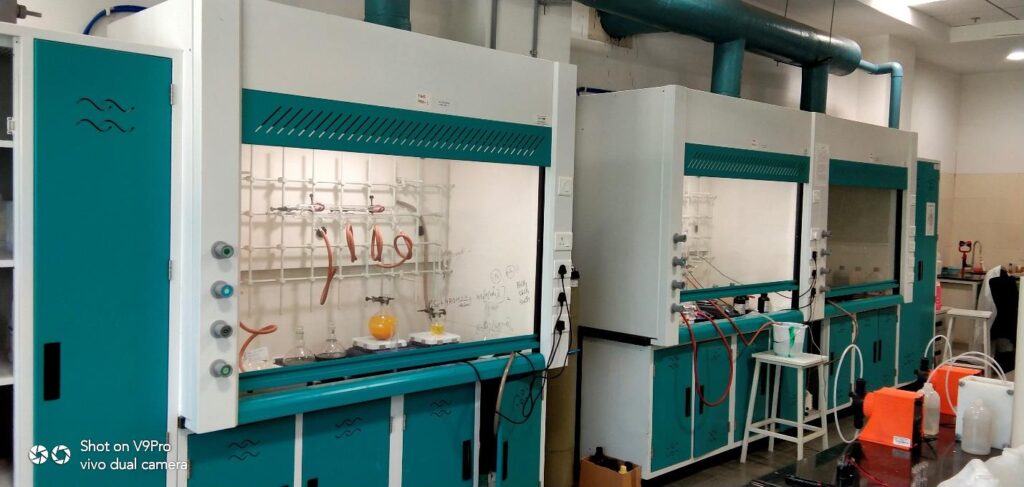
The chemistry research lab supports advanced material characterisation and chemical research.
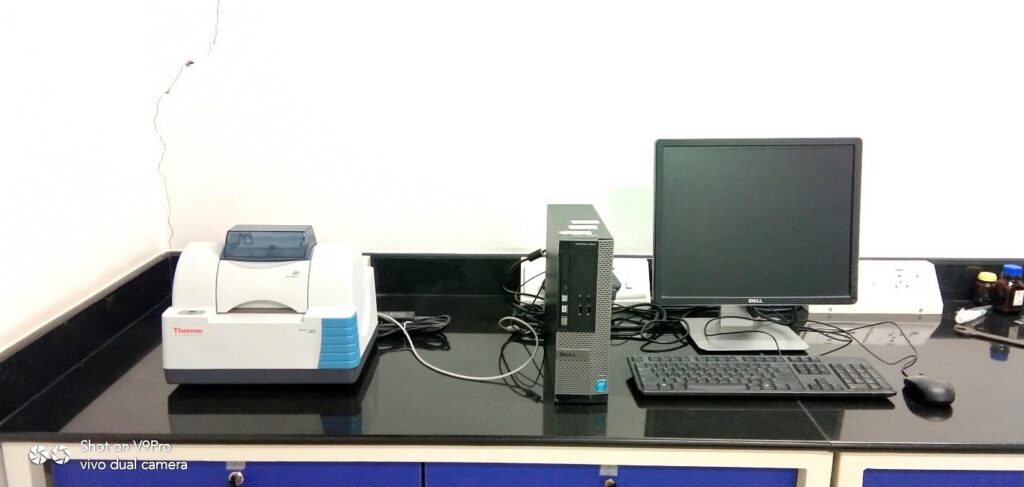
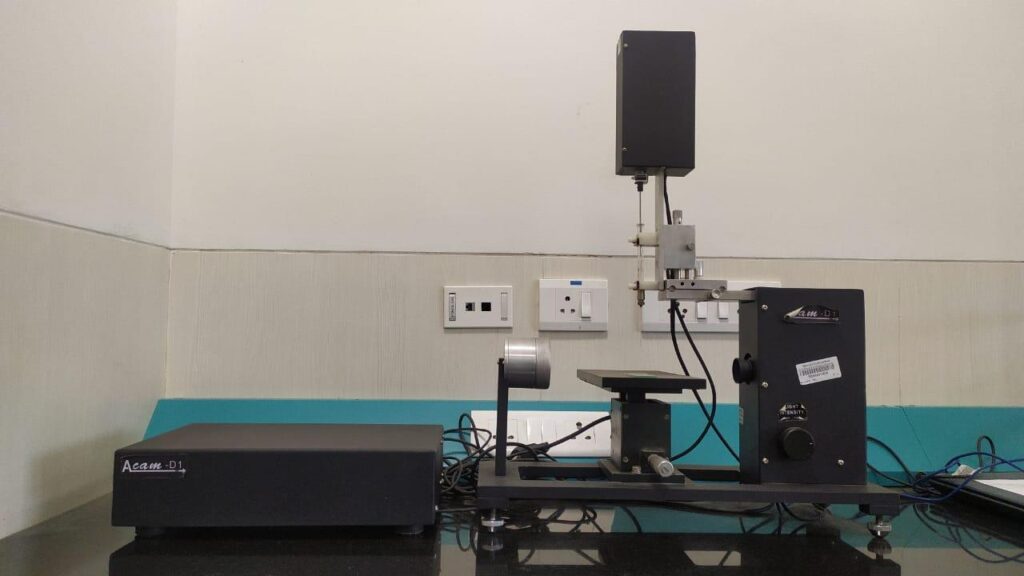
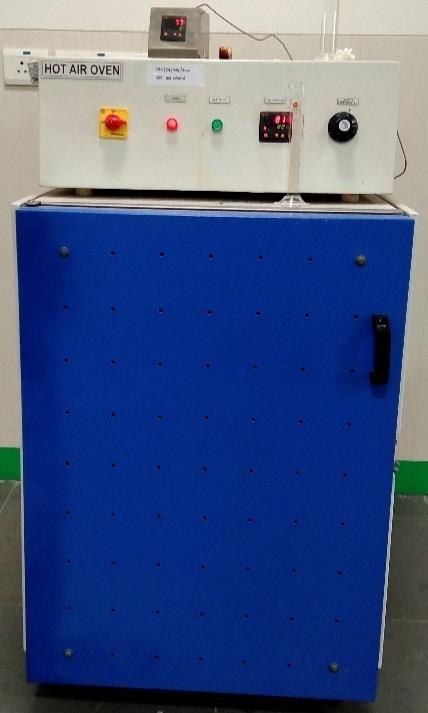
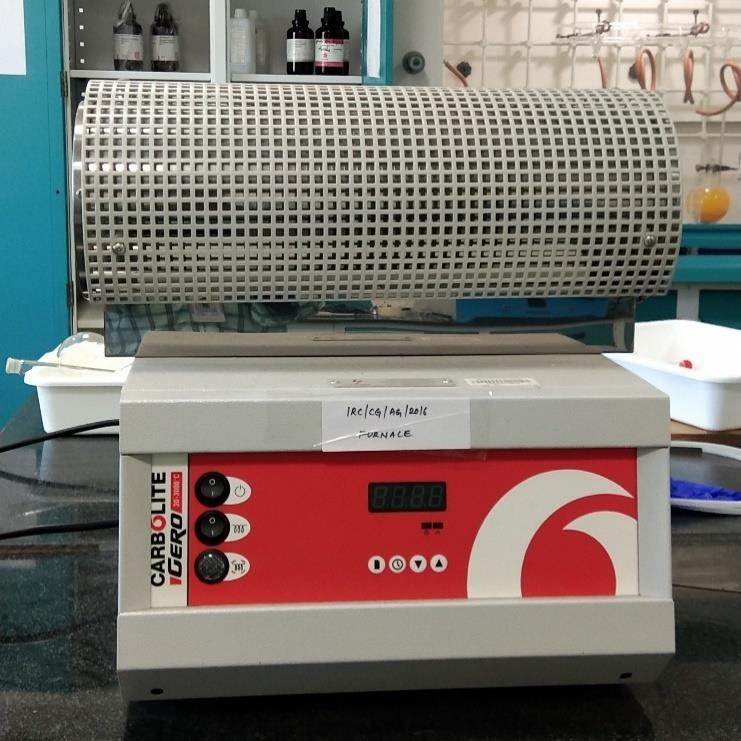
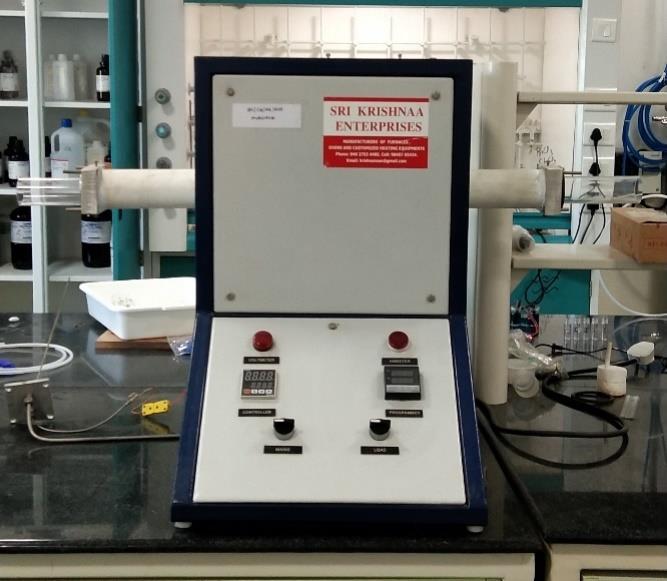
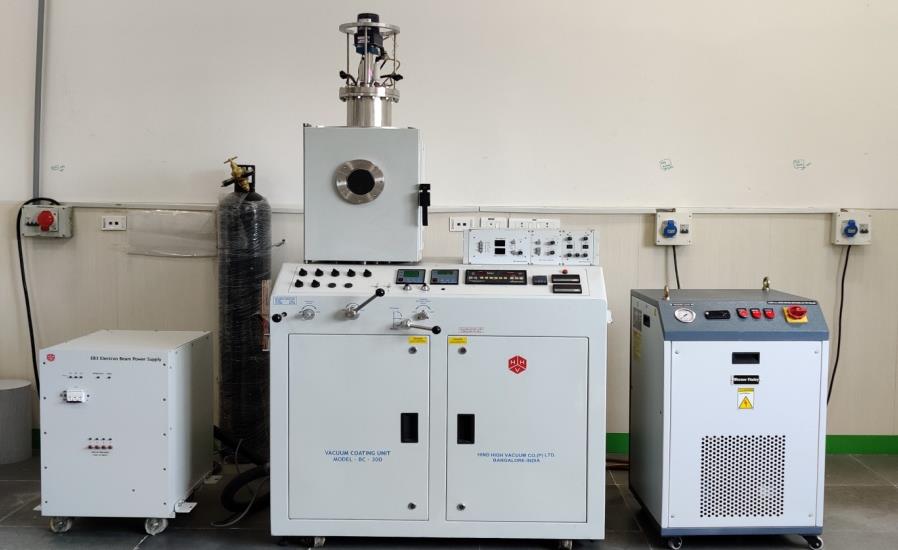
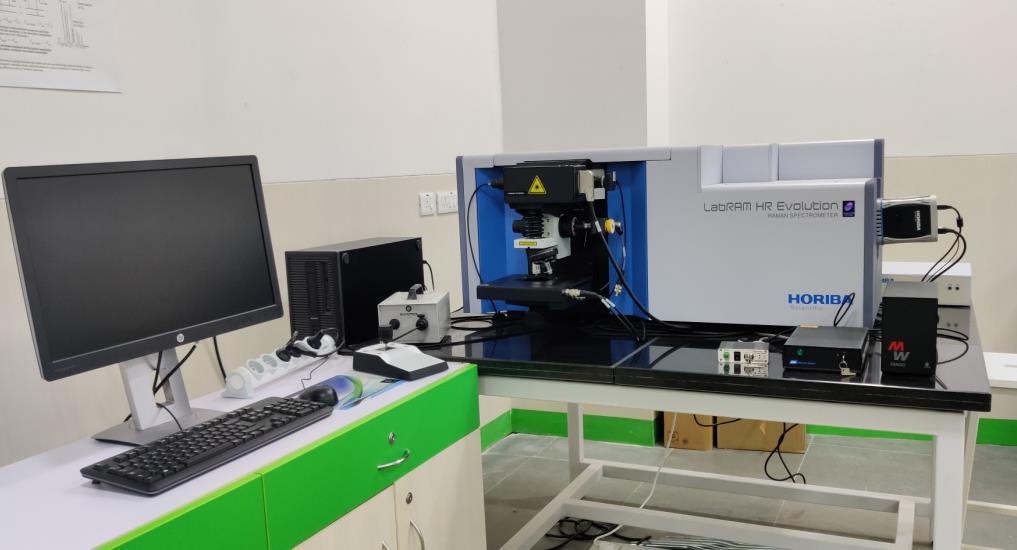
This lab supports advanced research in materials science and thin film technologies.
These systems enable thin-film deposition and detailed molecular analysis.
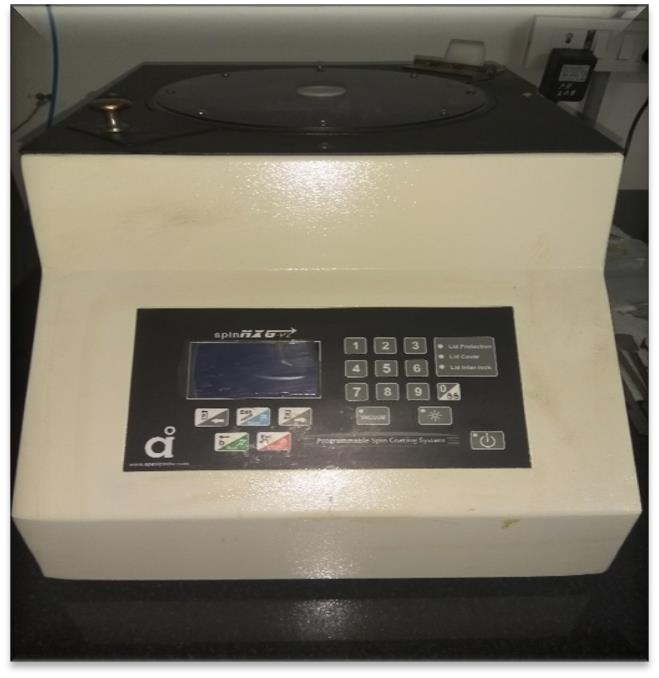
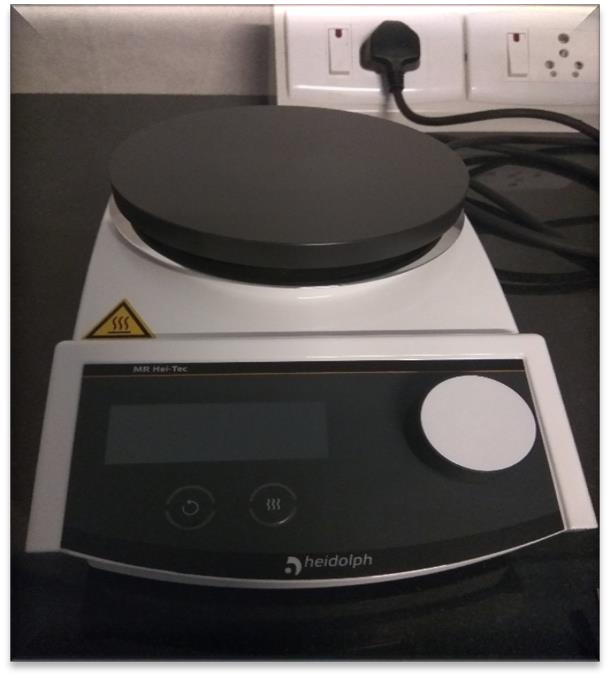
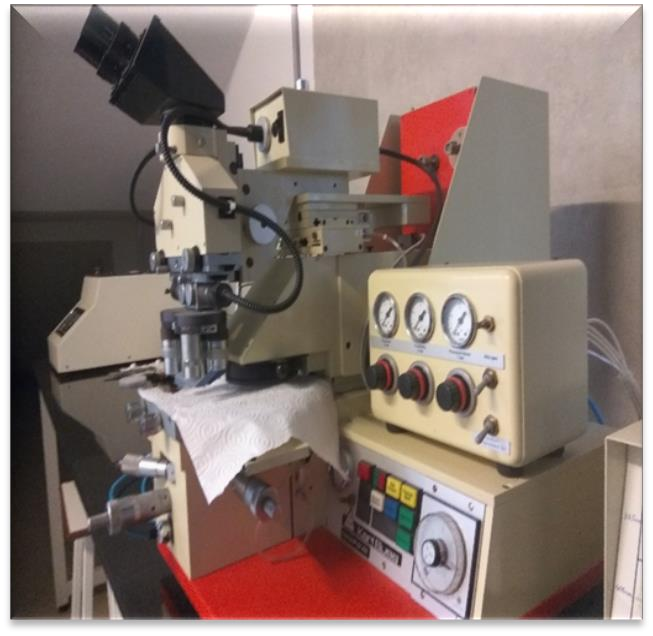
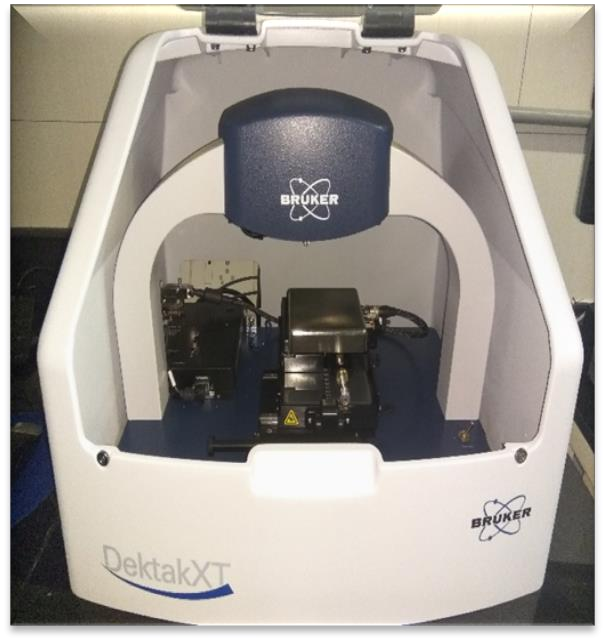
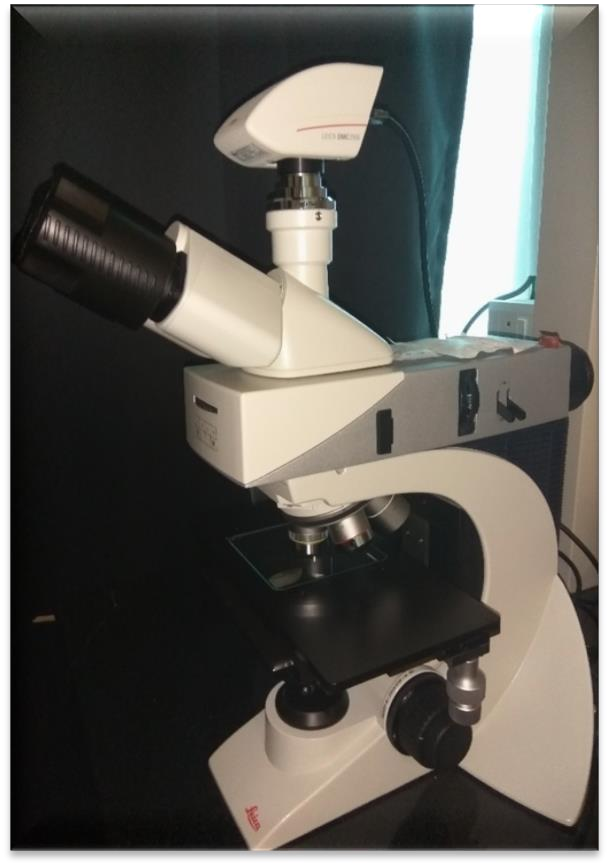
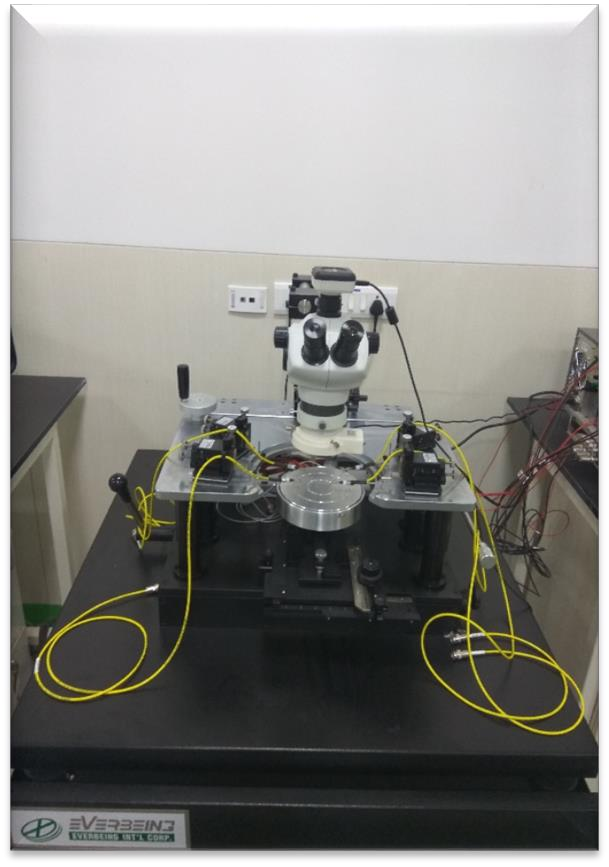
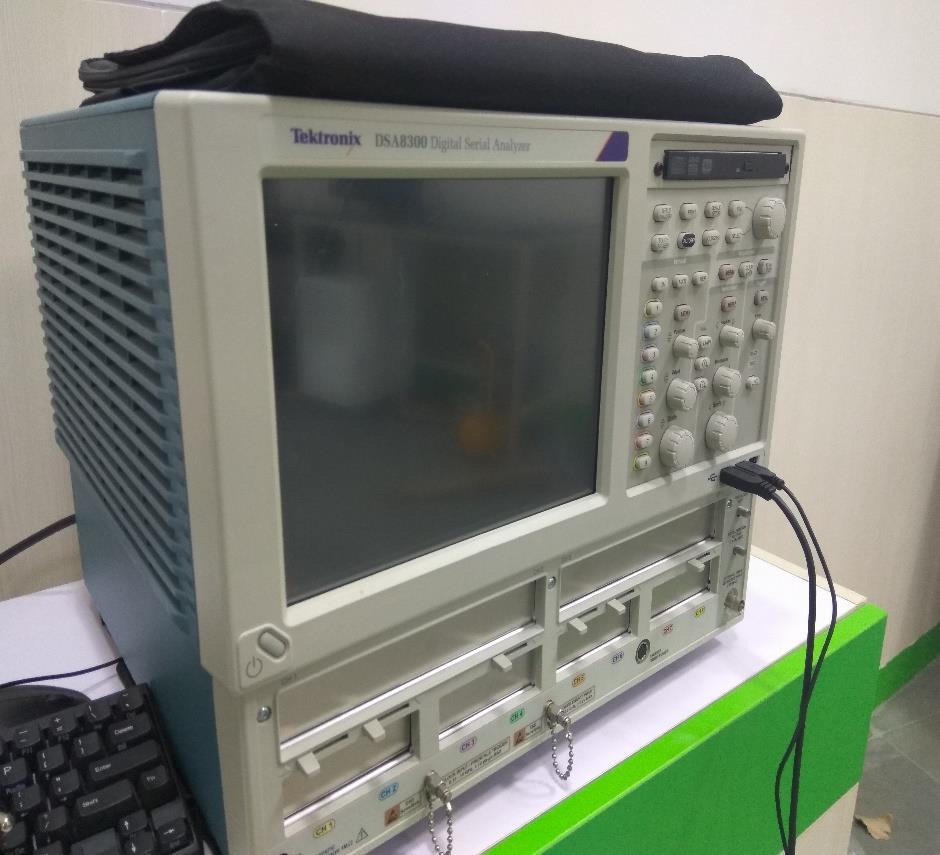
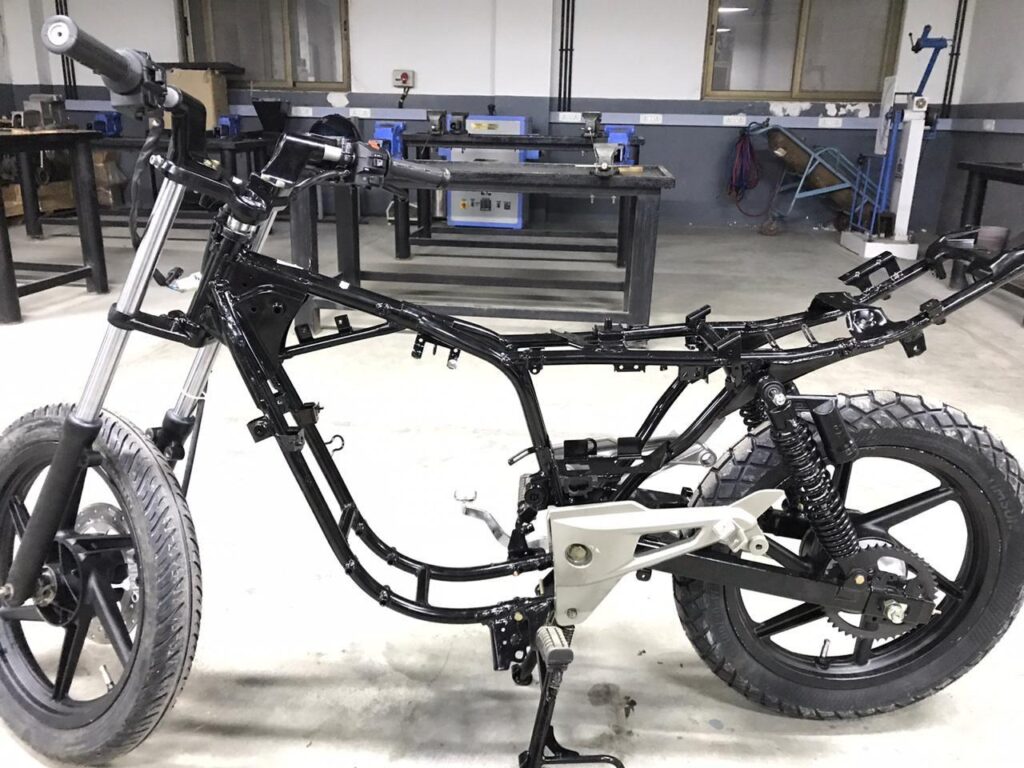
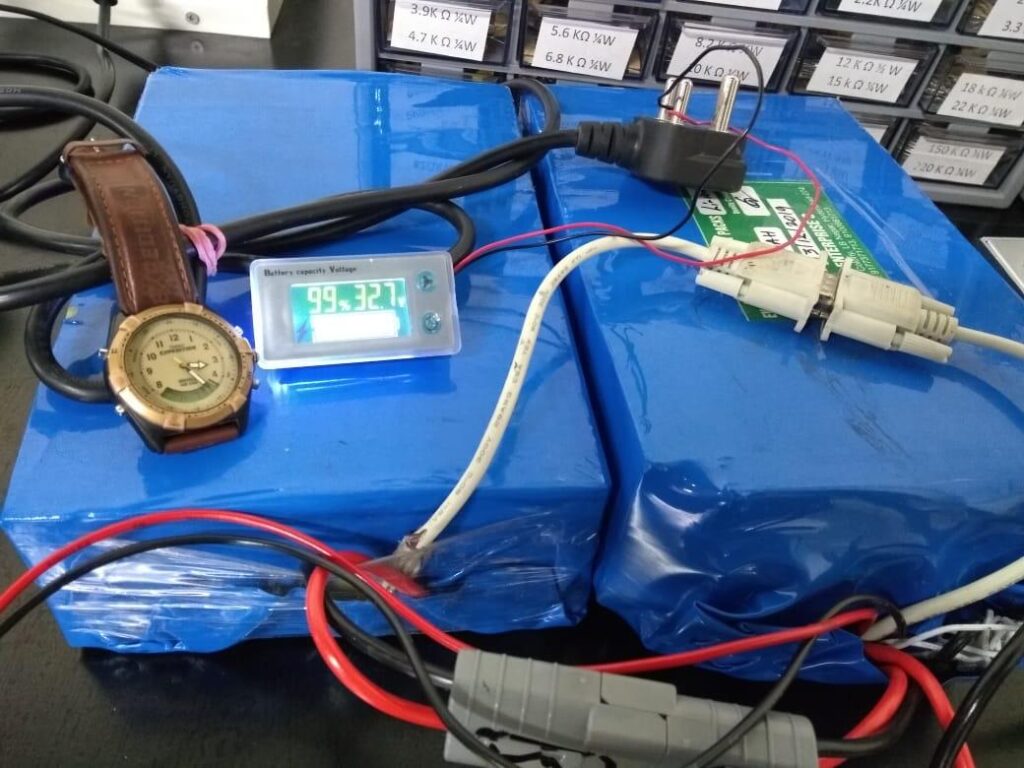
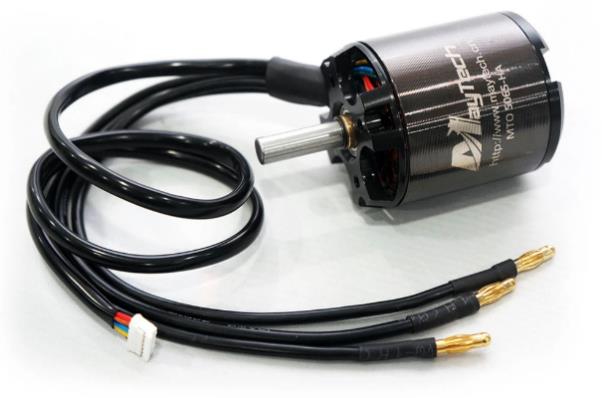
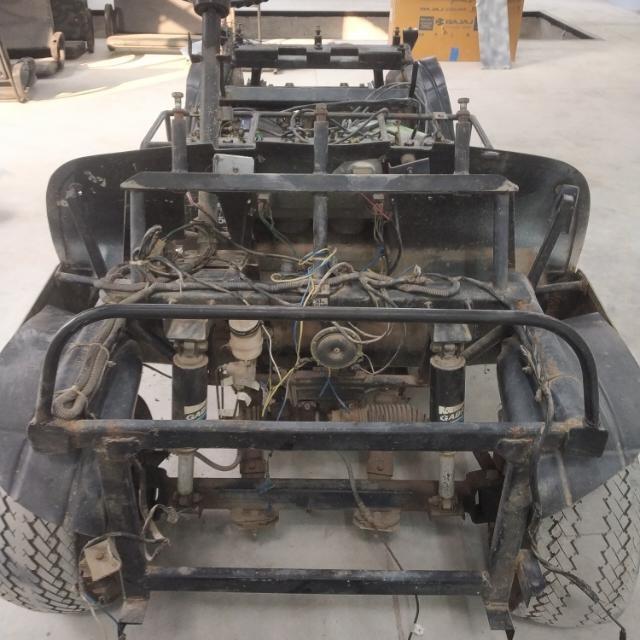
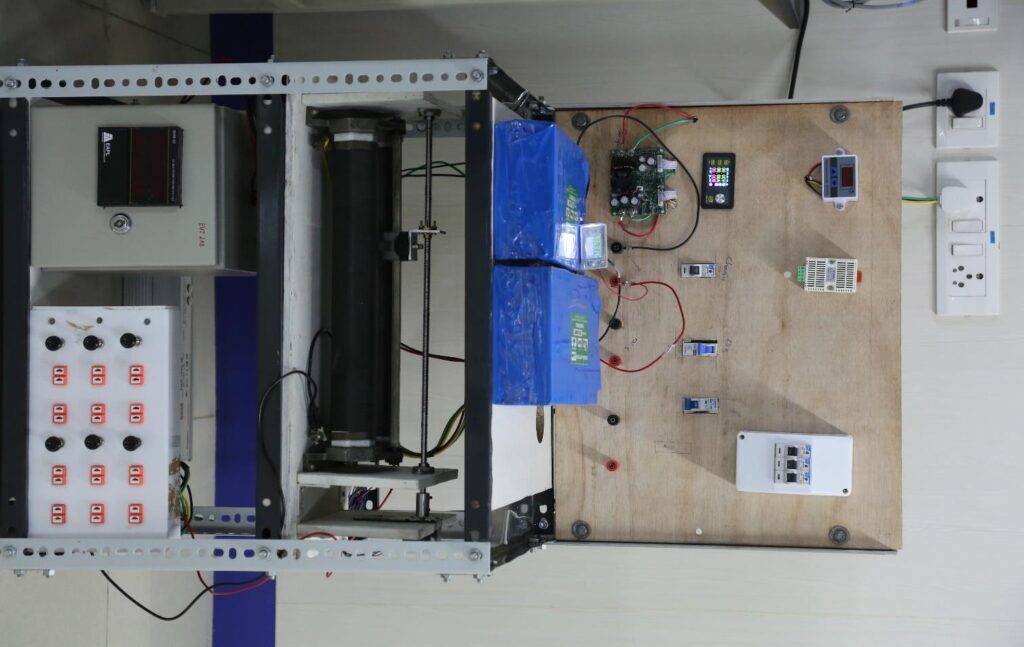
The electric vehicle research laboratory supports research and prototyping related to electric mobility.
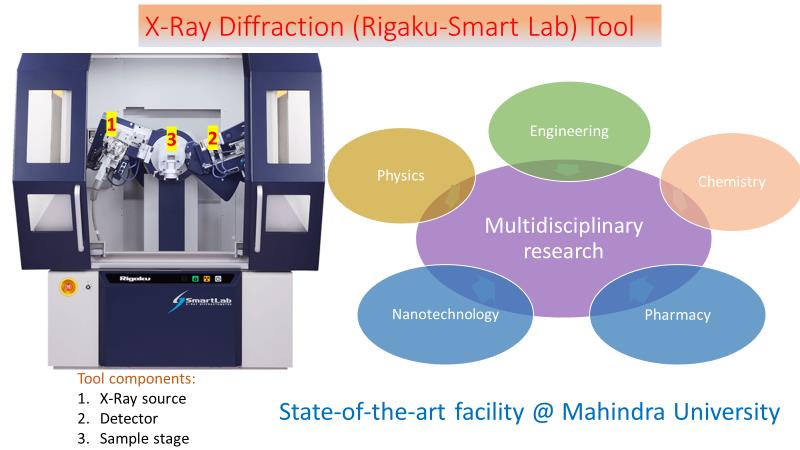
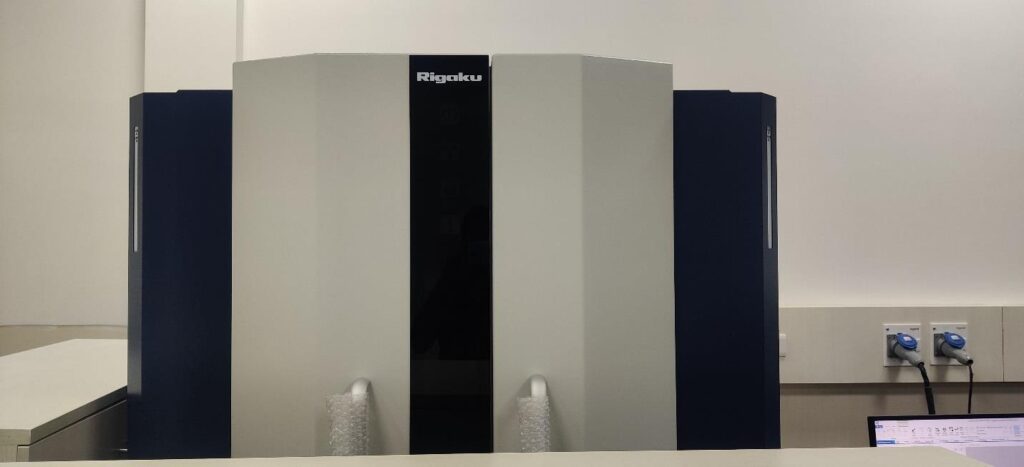
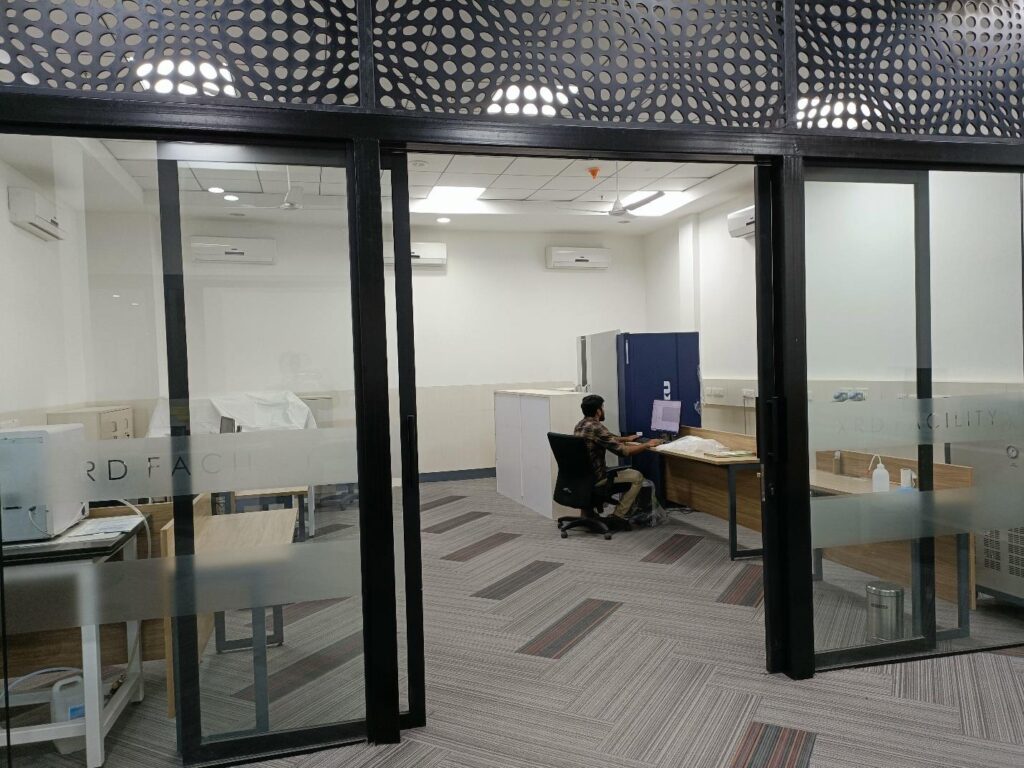
The X-ray diffraction research facility enables researchers to analyse crystalline structures, material composition, and phase identification for advanced materials research.
The finance research lab at the school of management supports research in financial markets, investment strategies, and economic analysis.
These tools enable advanced financial modelling and market analysis.
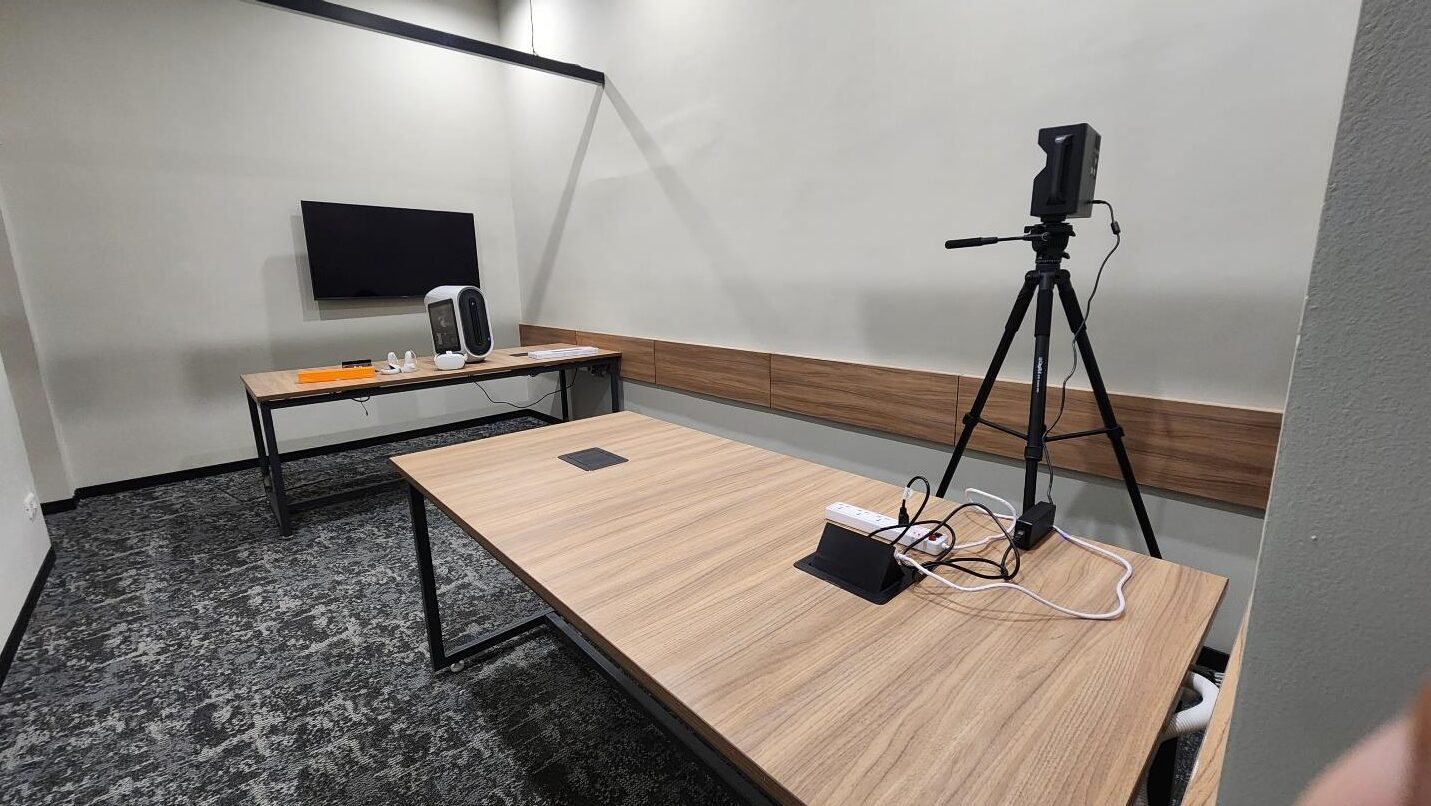
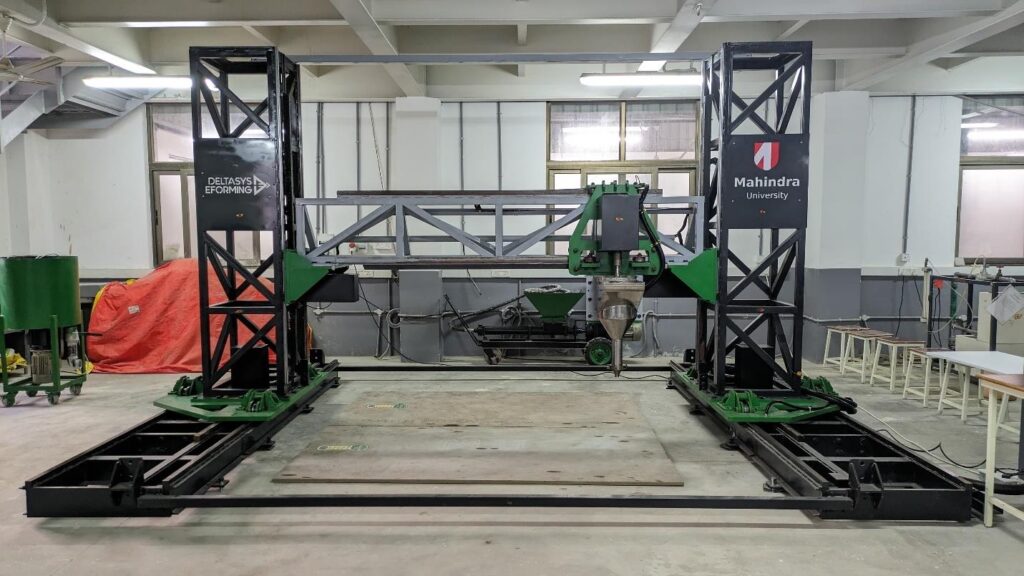
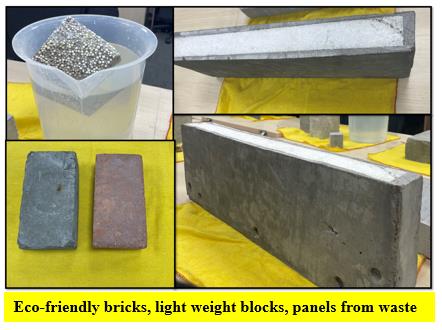
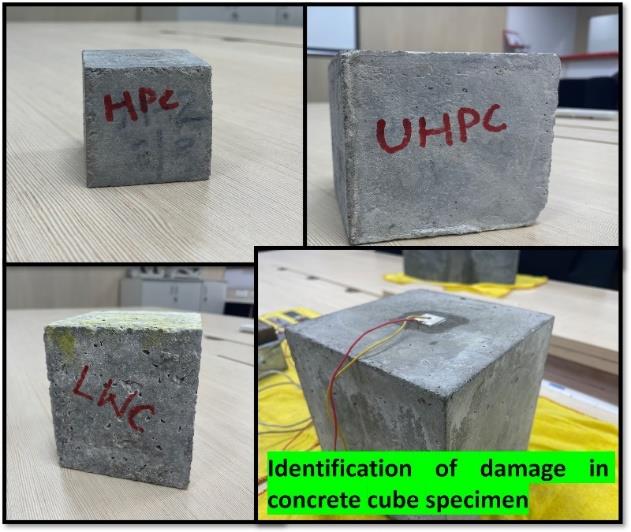
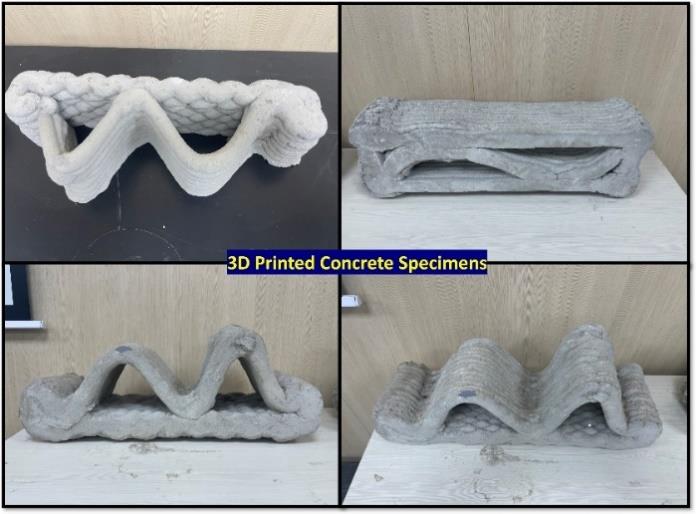
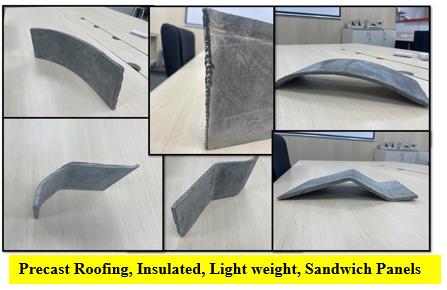
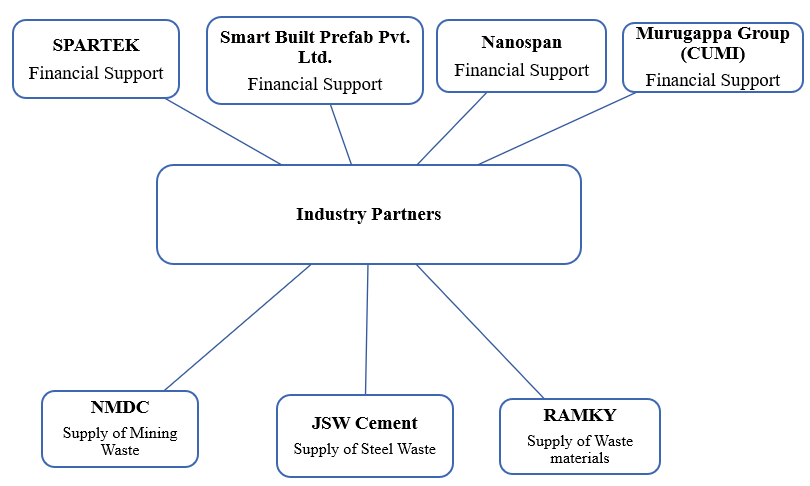
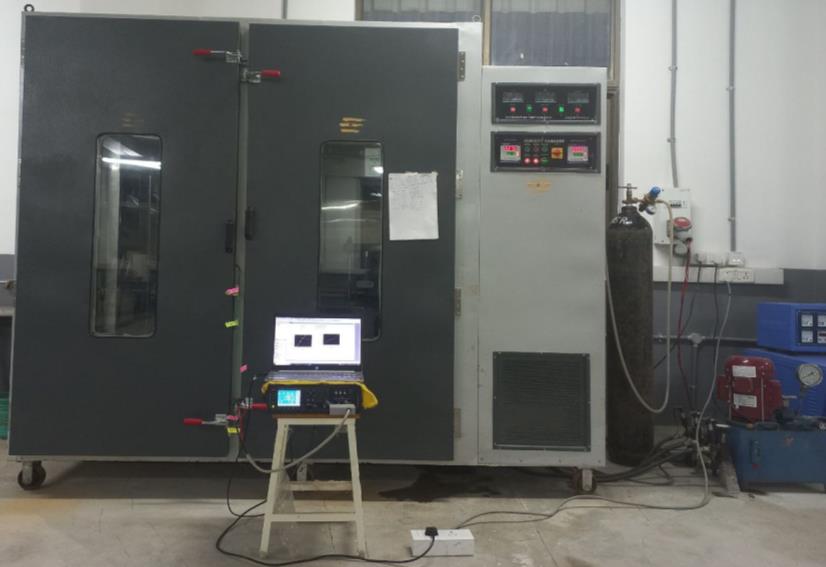
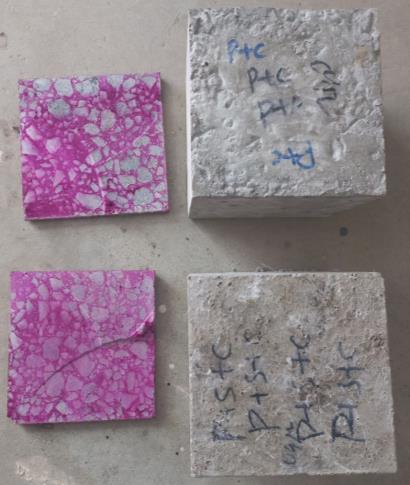
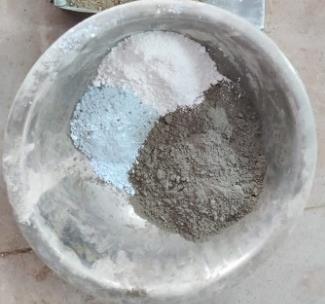
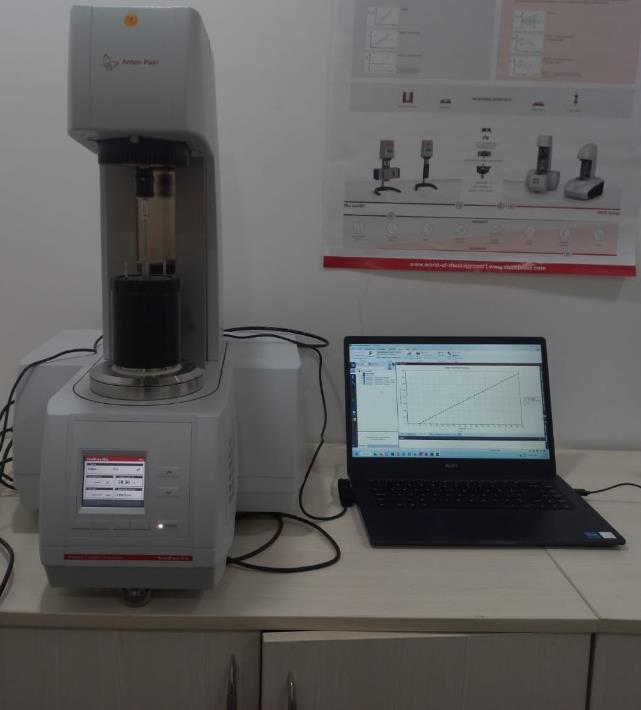
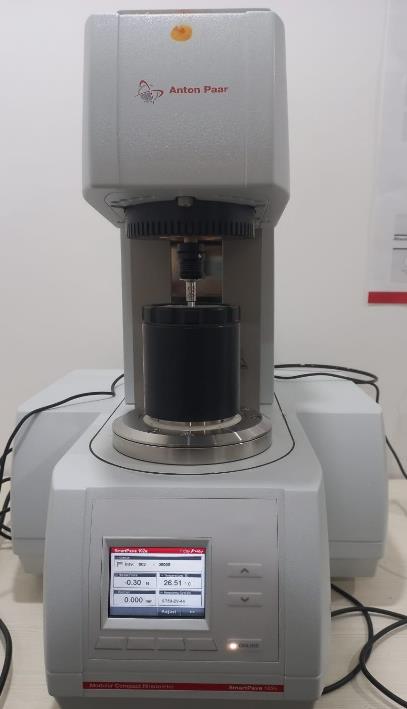
This lab focuses on developing sustainable construction materials using eco-friendly and waste materials.
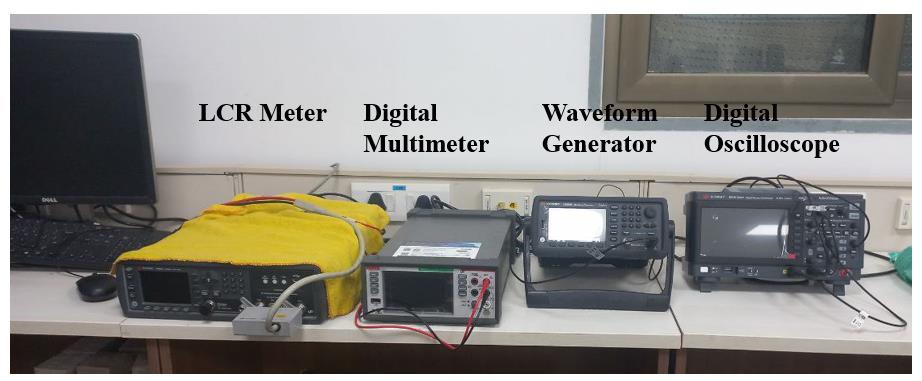
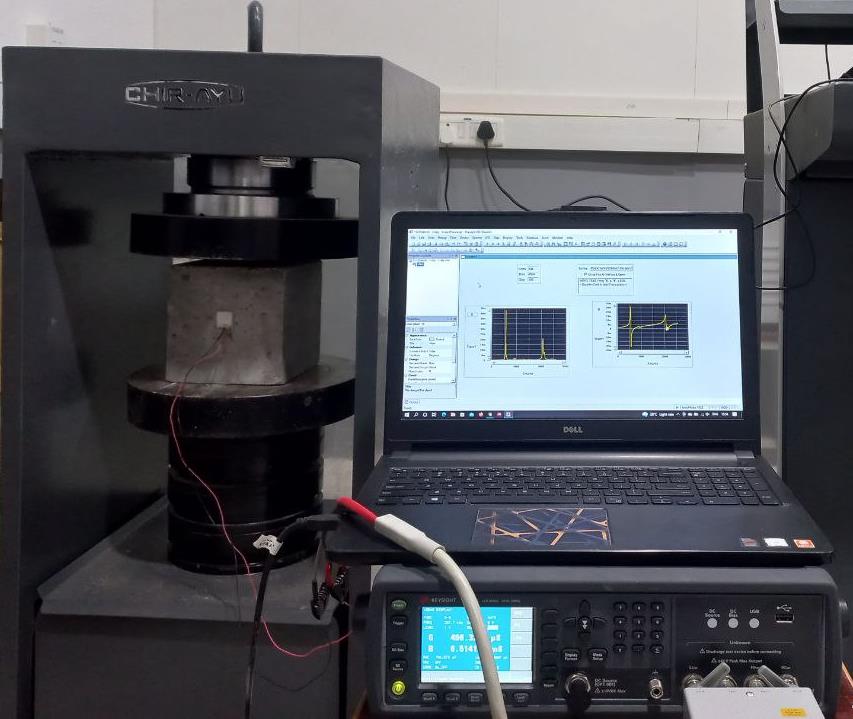
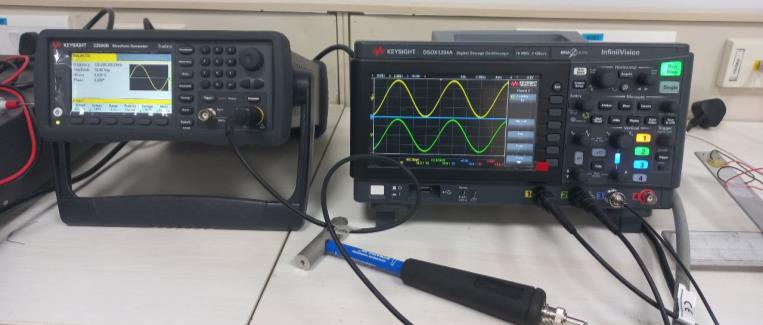
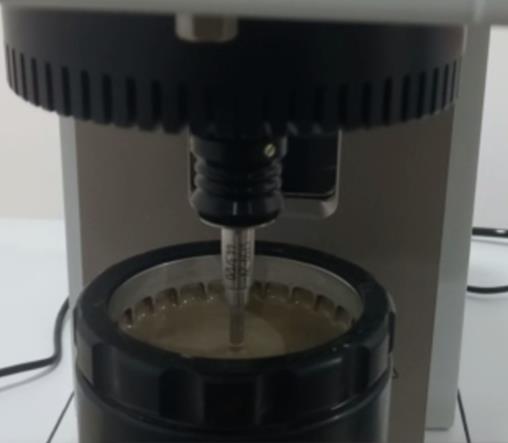
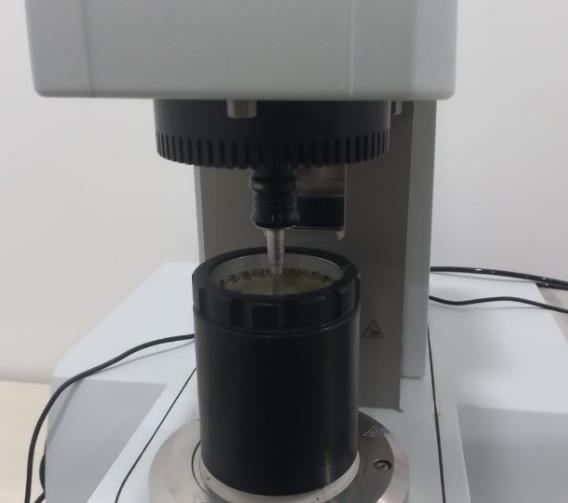
Major equipment includes rheometers, carbonation chambers, oscilloscopes, waveform generators, LCR meters, and digital multimeters.
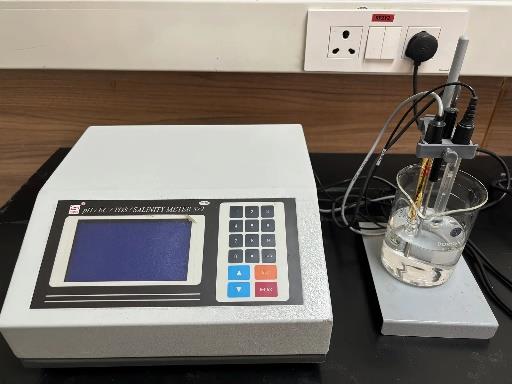
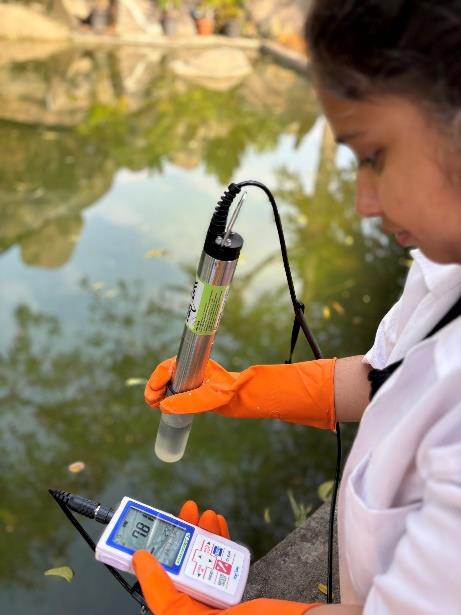
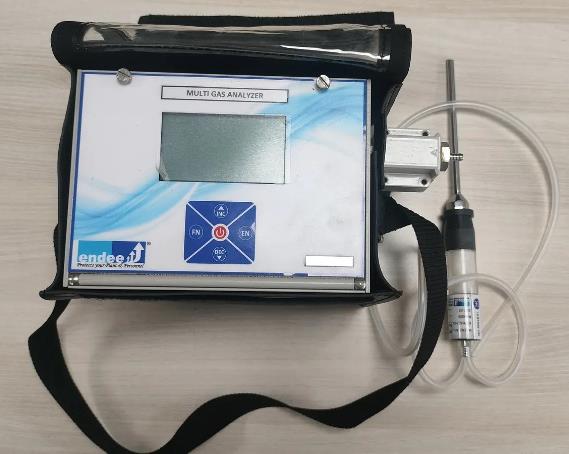
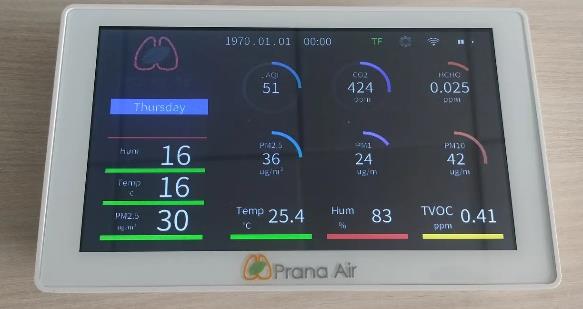
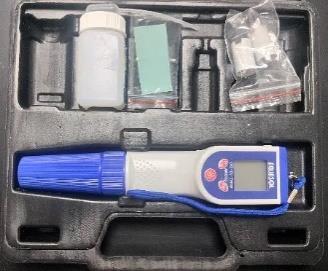
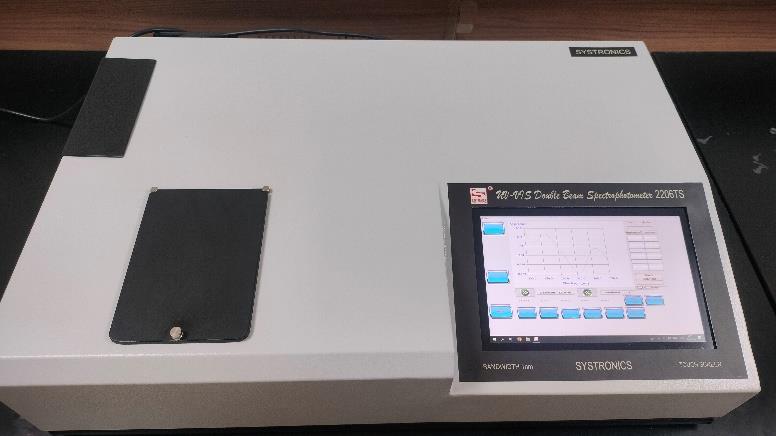
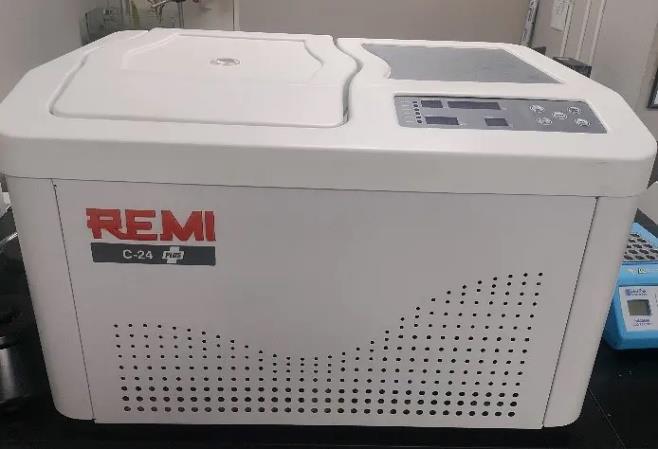
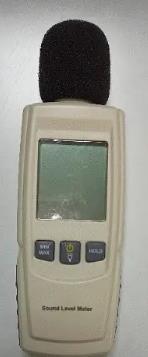
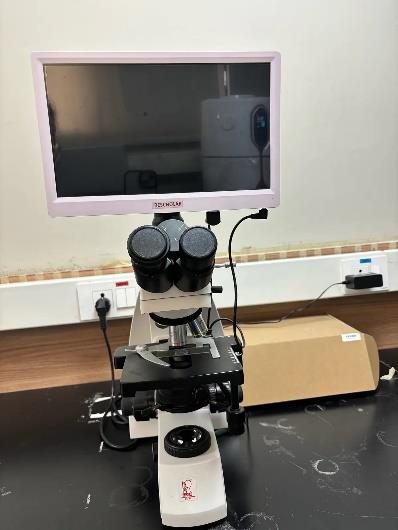
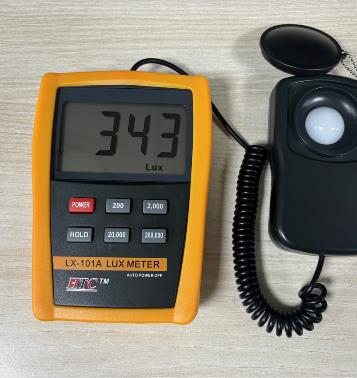
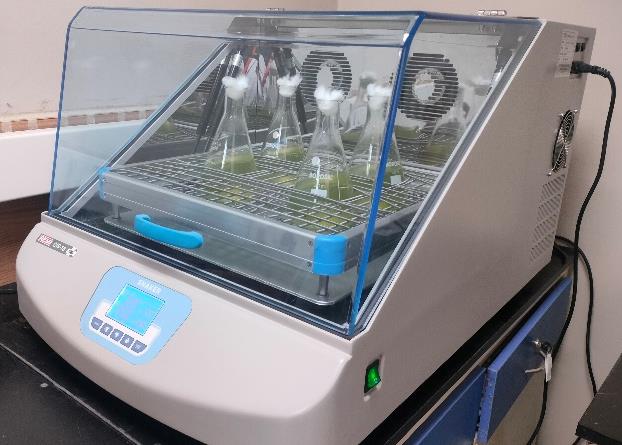
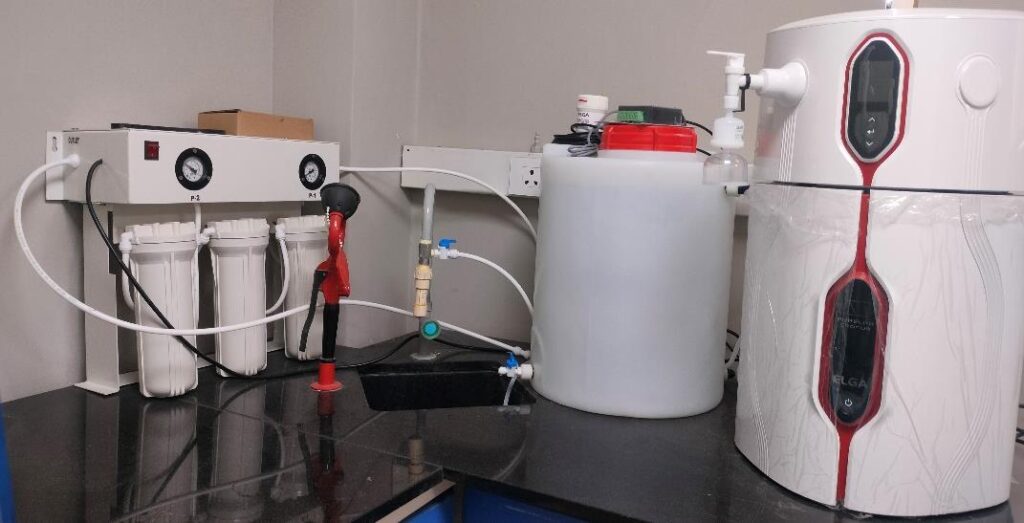
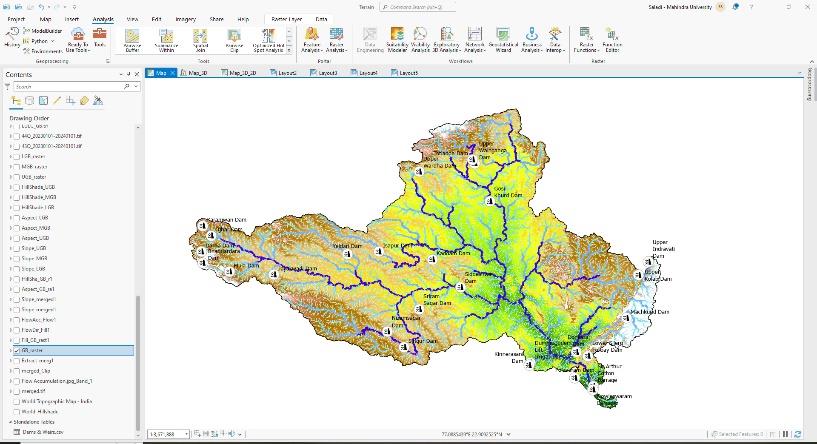
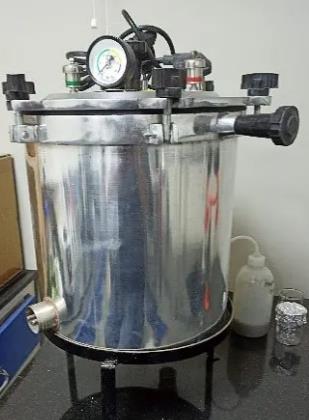
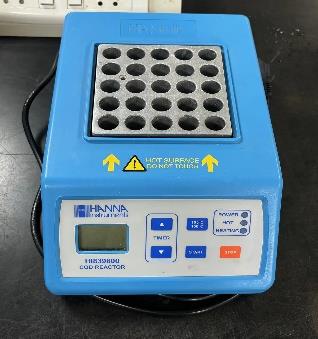
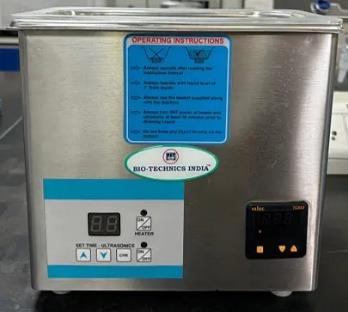
This lab focuses on monitoring and addressing environmental pollution through scientific analysis and remediation strategies.
Air quality
Water and soil analysis
Noise and light monitoring
Additional equipment
ArcGIS for geospatial environmental analysis
Research laboratories are primarily accessible to faculty members, research scholars, and enrolled students working on approved academic, research, or sponsored projects. Access is governed by laboratory policies and supervision requirements.
Yes. Undergraduate students may participate in research laboratory work through course projects, internships, thesis projects, and faculty-led research initiatives, subject to eligibility and project relevance.
Yes. The research laboratories support industry- and government-funded research projects, as well as collaborative initiatives with academic and research institutions.
The laboratories are equipped with specialised testbeds, experimental platforms, and research tools that support algorithm development, system-level experimentation, and applied research across disciplines.
Research labs are closely linked with academic programmes, enabling students to apply theoretical learning through experimentation, project work, and thesis research under faculty guidance.
