








M.Tech in Computer Science and Engineering
A two-year postgraduate programme focused on advanced computing, algorithms and system design.
M.Tech in computer science and engineering overview
The programme prepares engineers to design, analyse and build advanced computing systems through strong foundations in computer science and applied problem solving. Students experience:

Core computer science foundations
Learning in algorithms, data structures, operating systems and computer networks.

Advanced computing domains
Exposure to areas such as machine learning, data systems, information security and distributed computing.

Hands-on systems and programming
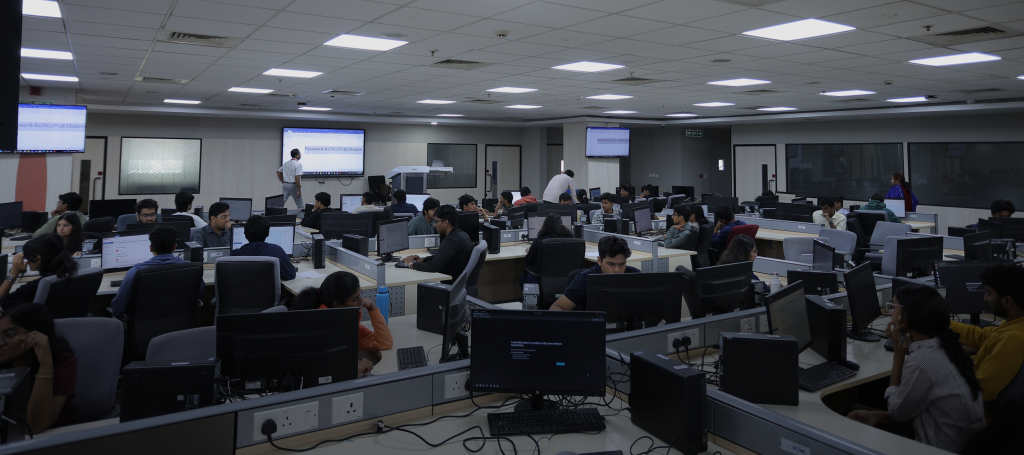
Practical coursework and projects focused on building and evaluating real software and system-level solutions.

Research and industry exposure
Project-based learning, internships and thesis work aligned with contemporary computing challenges.
Programme details
Method of intake
- Applicants must first qualify through GATE. Candidates are then shortlisted for an interview-based selection process. Applicants from non-CSE backgrounds may be assessed on core computer science subjects such as computer architecture, data structures and operating systems.
- The first semester focuses on strengthening the foundational pillars of hardware and software systems, including computer architecture, high-performance computing (HPC), algorithms and data structures.
- Students in the M.Tech programme may choose to specialise in one of four streams. The curriculum enables engineering graduates to build expertise in emerging areas such as machine learning, data science and related applications.
- In Semester 2, students gain both theoretical and practical understanding of areas such as network softwarisation, advanced databases and modern operating systems. Each stream builds on foundational courses and progresses to specialised electives.
- Students are required to undertake a two-month industry internship or contribute to an industry-sponsored project under faculty supervision.
- In Semester 3, students identify a research problem and begin work on their research project and dissertation, alongside elective coursework.
- The final semester is dedicated entirely to the research project and dissertation, which may lead to research publications.
Programme objectives
- Enable B.Tech graduates from non-CSE branches to acquire essential computer science knowledge and develop deeper theoretical and practical expertise in specialised areas.
- Provide B.Tech CSE and AI graduates an opportunity to pursue advanced study and gain greater depth in emerging computer science domains.
- Develop technology specialists capable of adapting quickly to advances in computer science and contributing to technological innovation.
- Strengthen collaboration between the university and industry experts engaged in advanced computer science research and development.
Programme outcomes
- Graduates will develop the motivation and capability to apply their knowledge and skills to real-world technological challenges and contribute to innovation.
- Some graduates may pursue research careers by advancing their expertise through doctoral studies in computer science or related fields.
- During the programme, students are expected to make intellectual contributions through research publications, patents, or the development of software, hardware or theoretical tools.
| S. No. | Course name | Credits | Remarks |
|---|---|---|---|
| 1 | Mathematics for computer science | 3 | Foundational mathematics for CS |
| 2 | High-performance computing (HPC) | 3 | Current approaches to HPC |
| 3 | Machine learning | 3 | Concepts in AI and deep learning |
| 4 | Algorithm design techniques | 3 | Algorithmic approaches and data structures |
| 5 | Advanced databases | 3 | Advances in DBMS and novel database systems |
| S. No. | Course name | Credits | Remarks |
|---|---|---|---|
| 1 | Network softwarisation: principles and foundations | 3 | Concepts such as software-defined networking (SDN) |
| 2 | Big data analytics | 3 | Analytical challenges with large-scale data |
| 3 | Modern operating systems | 3 | Concepts including embedded and real-time OS |
| 4 | Elective 1 | 3 | — |
| 5 | Elective 2 | 3 | — |
| S. No. | Course name | Credits | Remarks |
|---|---|---|---|
| 1 | Industry internship | 4 | Industry exposure and practical training |
| S. No. | Course name | Credits | Remarks |
|---|---|---|---|
| 1 | Elective 3 | 3 | — |
| 2 | Elective 4 | 3 | — |
| 3 | Dissertation project | 6 | Problem identification and initial research |
| S. No. | Course name | Credits | Remarks |
|---|---|---|---|
| 1 | Dissertation project | 16 | Final project and demonstration, with potential publication |
Abbreviations:
HPC – High-performance computing
SDN – Software-defined networking
DBMS – Database management systems
Computer vision
Electives: 1, 2, 15
Networking and cyber security
Electives: 8, 16, 18
Data science
Electives: 3, 4, 6, 12
Advances in computing
Electives: 11, 14, 17
- Digital image processing and analysis
- Computer vision
- Data mining and data warehousing
- Bioinformatics
- Natural language processing
- Data analytics and visualisation
- Classical and evolutionary optimisation: applications
- Cyber-physical systems
- Performance evaluation of computing-related systems
- Robotics and autonomous systems
- Quantum computing
- Information retrieval and search engines
- Software engineering
- Human–computer interaction
- Virtual and augmented reality
- Internet of Things
- Cloud and edge computing
- Network and cyber security
FAQs
It combines core computer science theory with advanced systems and applied computing rather than focusing only on application development.
Students work on programming-intensive coursework, system-level projects and applied research problems.
Yes. The curriculum begins with core foundations before moving into advanced domains.
Graduates move into roles such as software engineer, systems engineer, data engineer, security specialist and research engineer.
Yes. The final-year thesis and research focus provide a strong base for doctoral study.
