








Designed to bridge theory with practice, these facilities enable students to experiment, collaborate, and innovate in environments aligned with real-world contexts and industry standards.
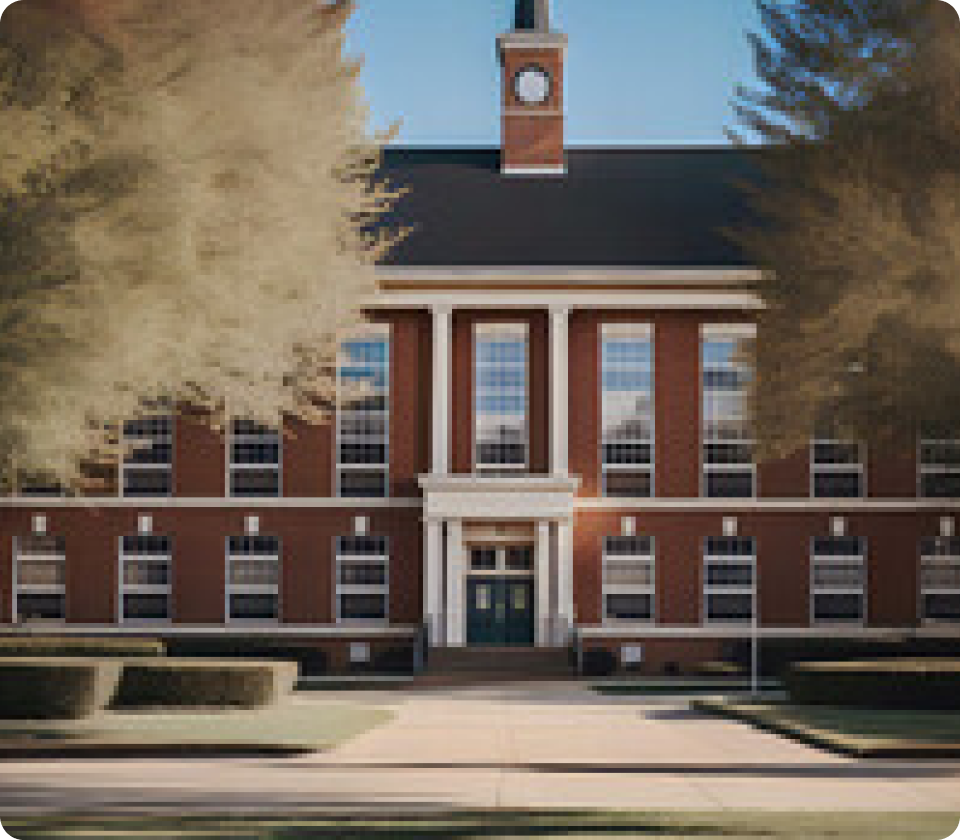
We support experiential learning by providing specialised labs, studios, kitchens, and learning spaces across schools and centres. These facilities enable students to apply theory through practice while engaging in research, experimentation, and interdisciplinary collaboration. Students experience:

that support applied coursework, experimentation, and skill development.
through access to specialised facilities aligned with academic and professional contexts.
across disciplines including engineering, sciences, management, law, design, and hospitality.
through prototyping, maker spaces, and applied learning environments.

We support applied learning in mechanics, manufacturing, thermal sciences, and system dynamics. These laboratories enable students to test designs, analyse performance, and develop engineering intuition through experimentation.

We explore electrical systems, power technologies, and machines through hands-on experimentation. Students build practical understanding of electrical principles alongside theoretical coursework.

We work with electronic circuits, communication systems, and embedded technologies. These labs support learning in signal processing, electronics design, and hardware–software integration.
We study infrastructure systems through testing, modelling, and simulation. Civil engineering laboratories support learning in structures, geotechnical engineering, transportation, environmental systems, and construction materials.
We investigate aerodynamics, propulsion, and aerospace structures through applied laboratory work. Students gain exposure to aircraft and space systems within an academic engineering context.
We examine material behaviour, performance, and characterisation. These laboratories support learning in composites, advanced materials, and smart material systems.
We explore fundamental physical principles through structured experimentation. The laboratories support learning in mechanics, optics, electricity, magnetism, and modern physics.
We conduct experiments that build understanding of chemical reactions, synthesis, and analysis. These labs support foundational and applied chemistry learning.
We study biological systems through laboratory experimentation and analysis. These labs support learning in cell biology, biotechnology, and life sciences research methods.
We support applied mathematical learning through computation, modelling, and problem-solving. These spaces enable students to work with numerical methods, simulations, and analytical tools.
We support large-scale computation, modelling, and data-intensive research. The lab enables advanced simulations and cross-disciplinary research applications.
We support application-driven learning in computing and design through a technology-enabled environment. Students build, test, and present digital solutions as part of coursework and projects.

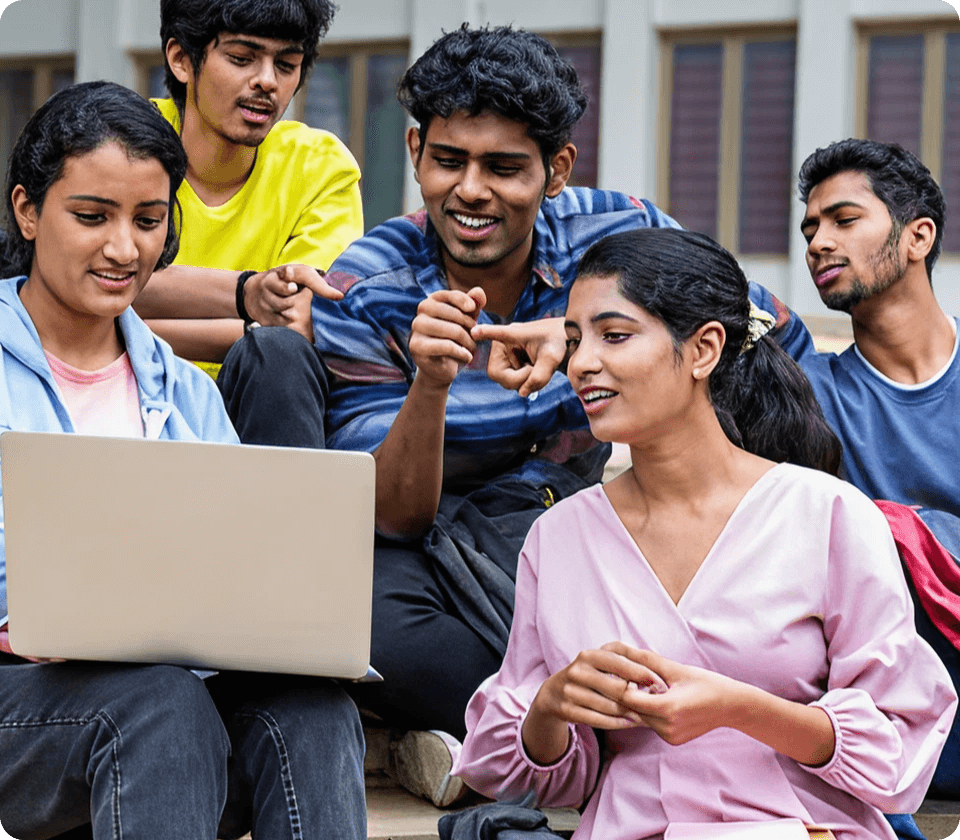

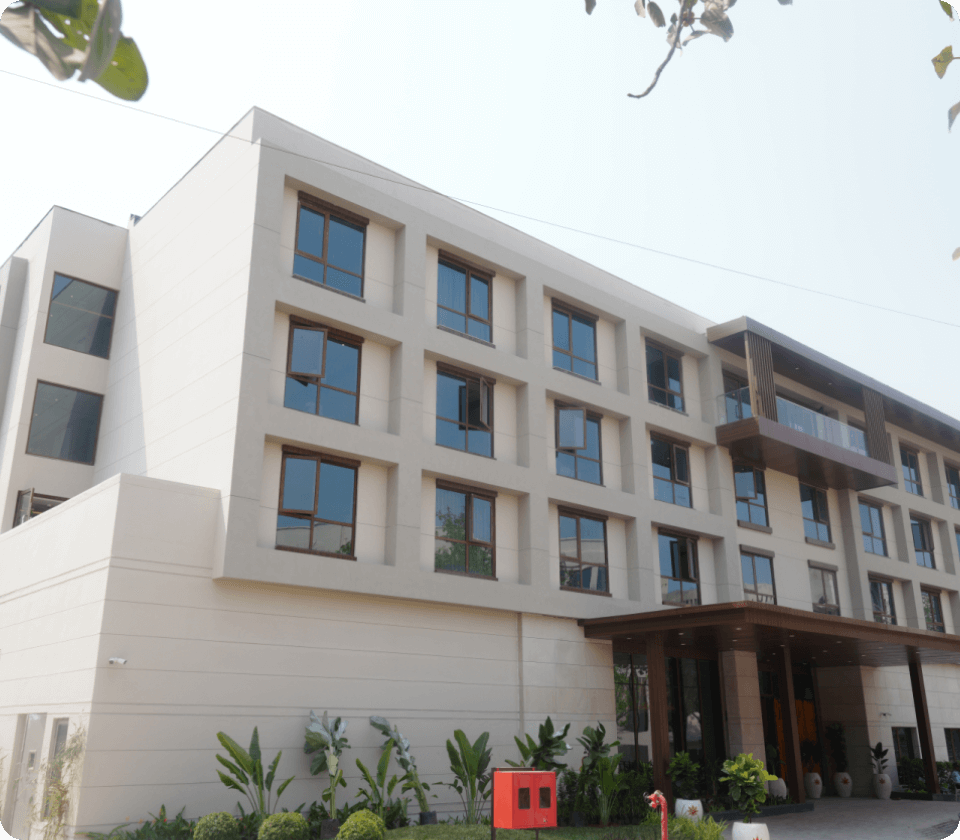
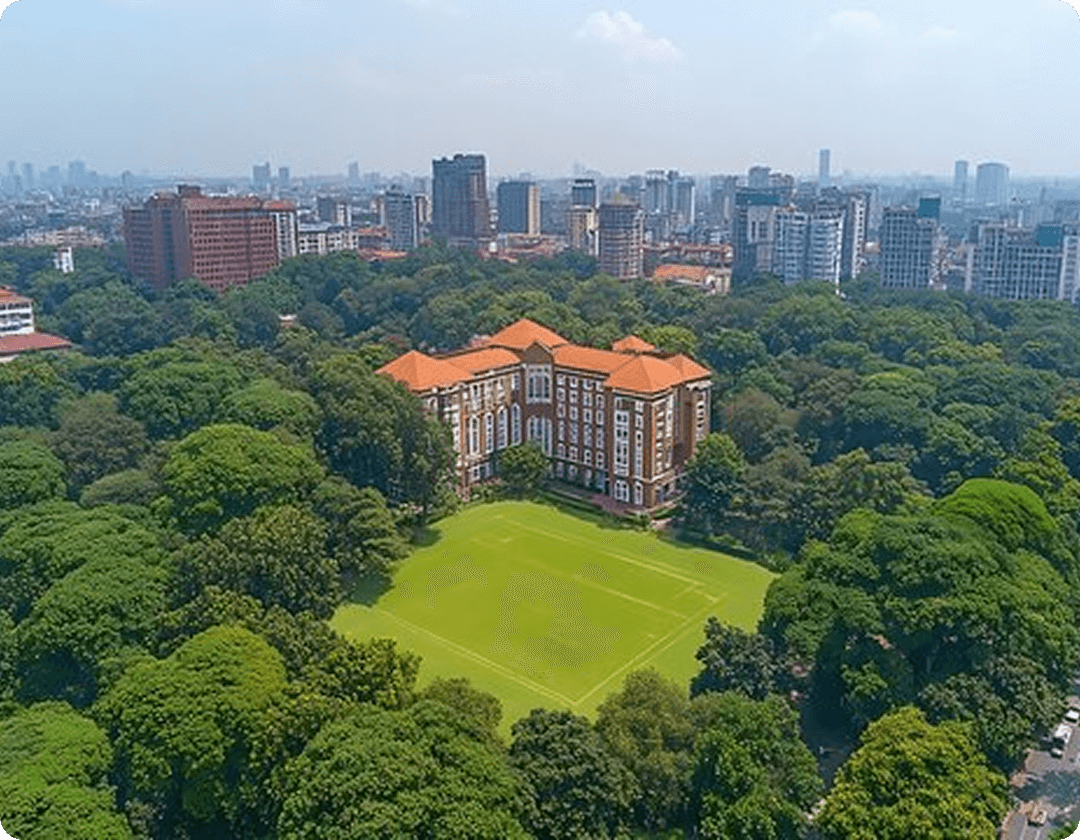
Yes. Academic, residential, and recreational facilities are accessible to students, subject to usage guidelines.
Our programmes blend academic rigour with interdisciplinary learning, hands-on labs, and global exposure, all within a fully residential, collaborative environment.
Our programmes blend academic rigour with interdisciplinary learning, hands-on labs, and global exposure, all within a fully residential, collaborative environment.
Our programmes blend academic rigour with interdisciplinary learning, hands-on labs, and global exposure, all within a fully residential, collaborative environment.
Our programmes blend academic rigour with interdisciplinary learning, hands-on labs, and global exposure, all within a fully residential, collaborative environment.
