







School of Digital Media & Communication
We train the next generation of media professionals to thrive in a rapidly changing digital world through critical thinking, ethical practice, and technological expertise.
Announcements

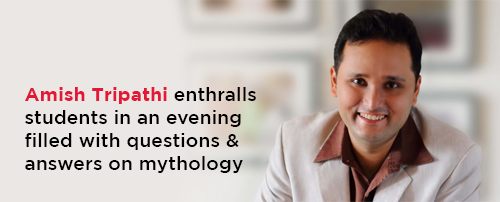
Programmes offered
Explore future-ready specialisations crafted to equip you with skills for thriving in emerging industries like AI, SaaS, and advanced engineering fields.
Why choose School of Digital Media and Communication
The School of Digital Media and Communication at Mahindra University prepares students to navigate and shape the evolving landscape of media, journalism, and communication in the digital age.
The school brings together journalism, media production, communication studies, and emerging technologies to help students understand how information is created, distributed, and experienced in a digitally connected world. By integrating academic inquiry with professional practice, the school prepares graduates for careers across journalism, digital media, communication strategy, media technology, and related fields.
Students develop competencies across three key dimensions:
- Conceptual competency – understanding media, communication systems, and their societal impact
- Professional competency – developing practical media production and communication skills
- Ethical competency – cultivating responsible and principled communication practices
Through interdisciplinary learning, industry engagement, and hands-on media production, the school prepares students to become thoughtful communicators and professionals capable of responding to the complexities of contemporary media ecosystems.
Vision
To advance responsible and impactful communication practices that contribute to informed and equitable societies.
Mission
- To prepare students to become responsible communicators and changemakers capable of shaping the future of media and society.s.
- To develop professionals with strong conceptual, professional, and ethical competencies in media and communication.
- To integrate technological innovation with insights from the humanities and social sciences.
The school follows a competency-driven learning model that integrates conceptual knowledge, professional practice, and ethical understanding.
Students engage in a range of learning experiences designed to bridge theory and practice, including:
- Classroom lectures and seminars
- Laboratory work and media production exercises
- Field reporting and documentation assignments
- Independent research and project work
- Guest lectures from industry professionals
- Field visits and professional interactions
This learning framework enables students to develop a deep understanding of media systems while building the practical skills required for professional communication environments.
The curriculum is designed to progressively guide students from foundational knowledge to increasingly complex applications, ensuring that graduates emerge as conceptually grounded, technically proficient, and ethically responsible media professionals.
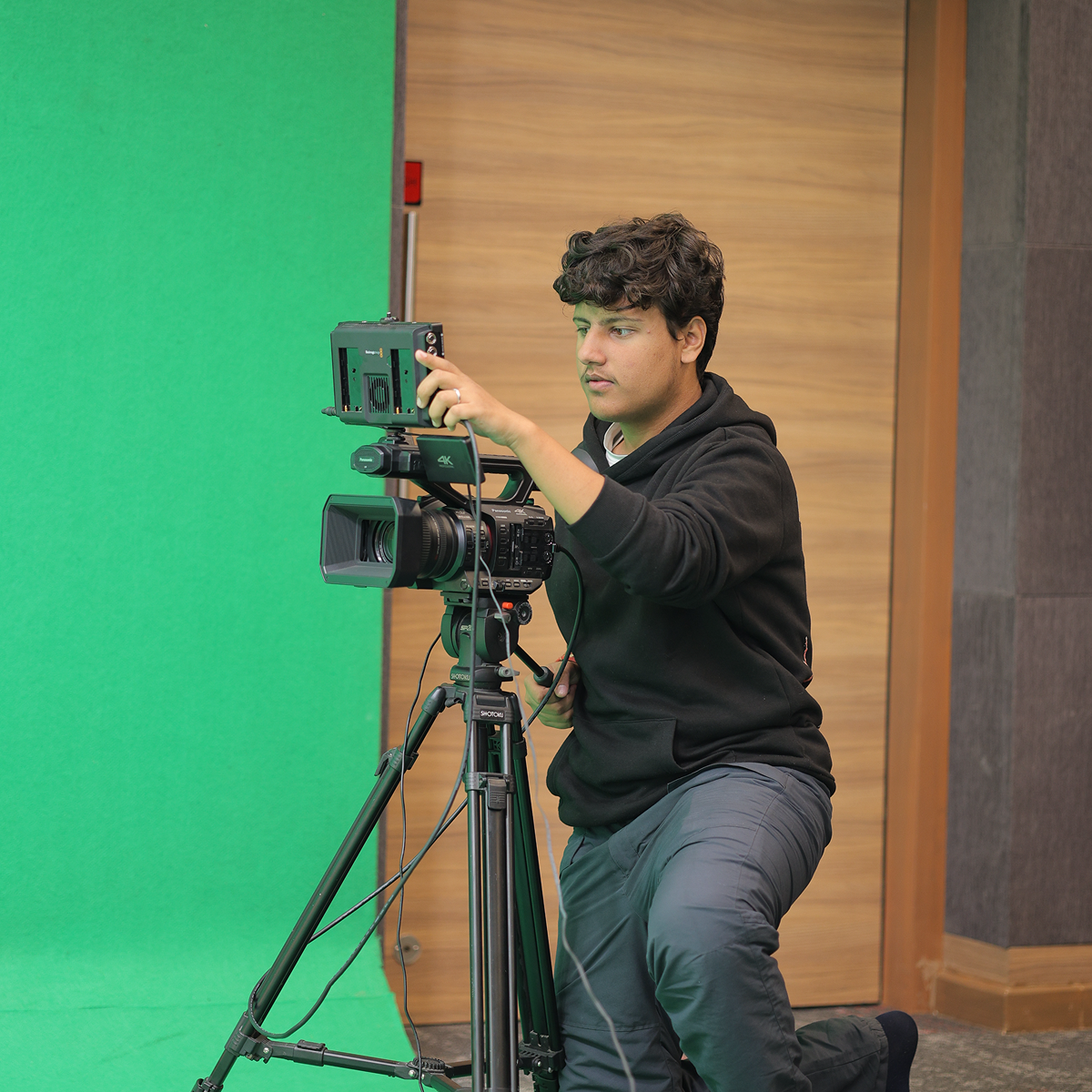
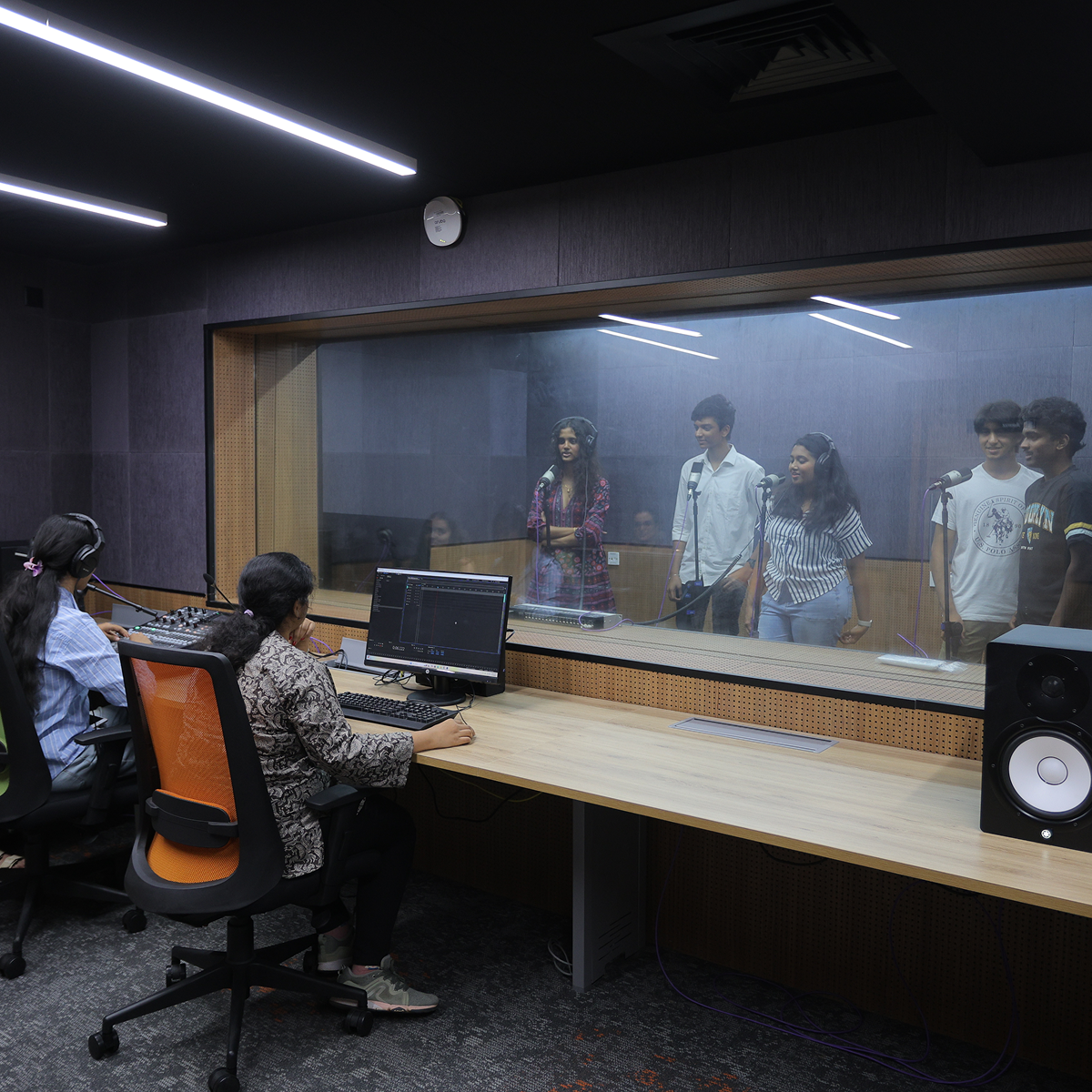
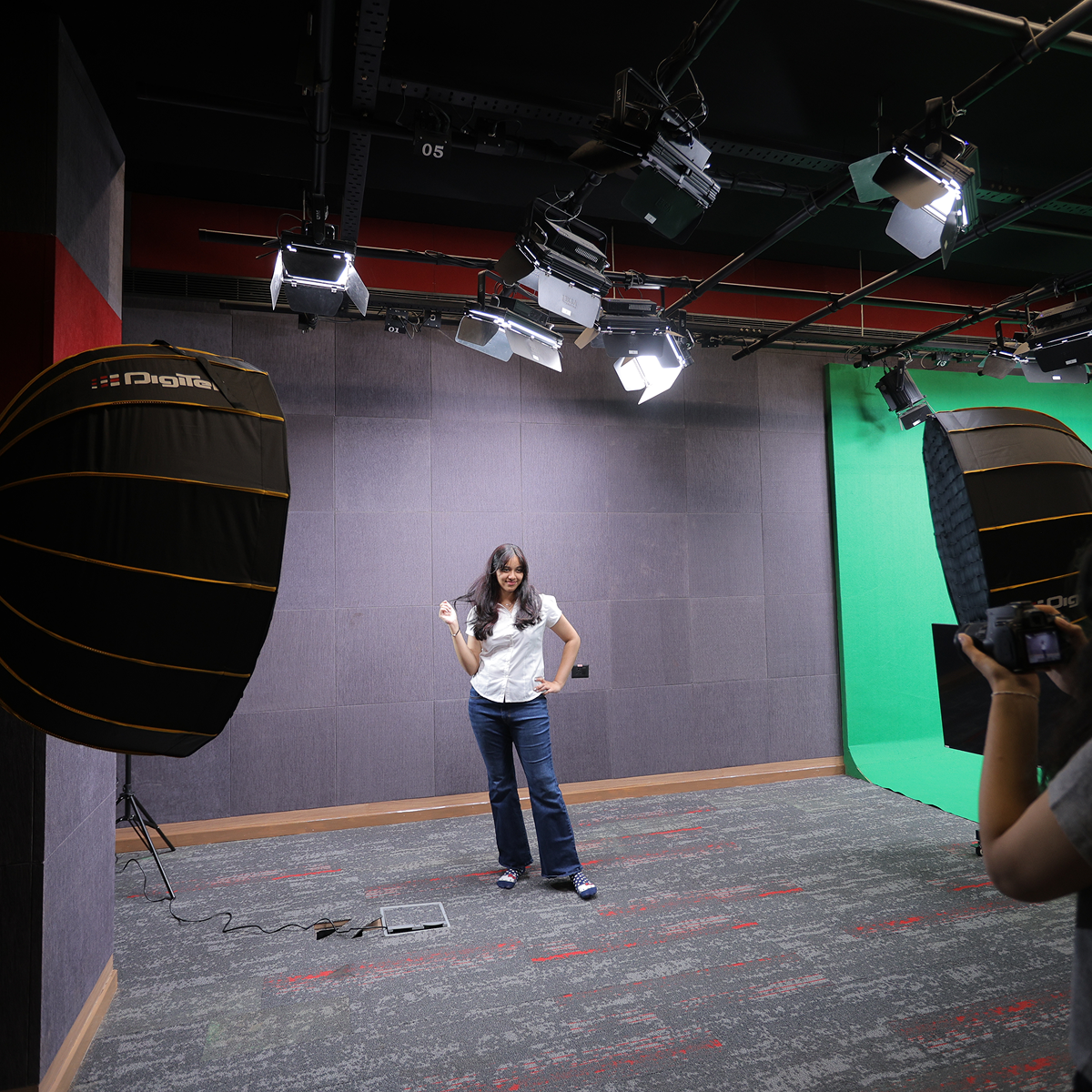
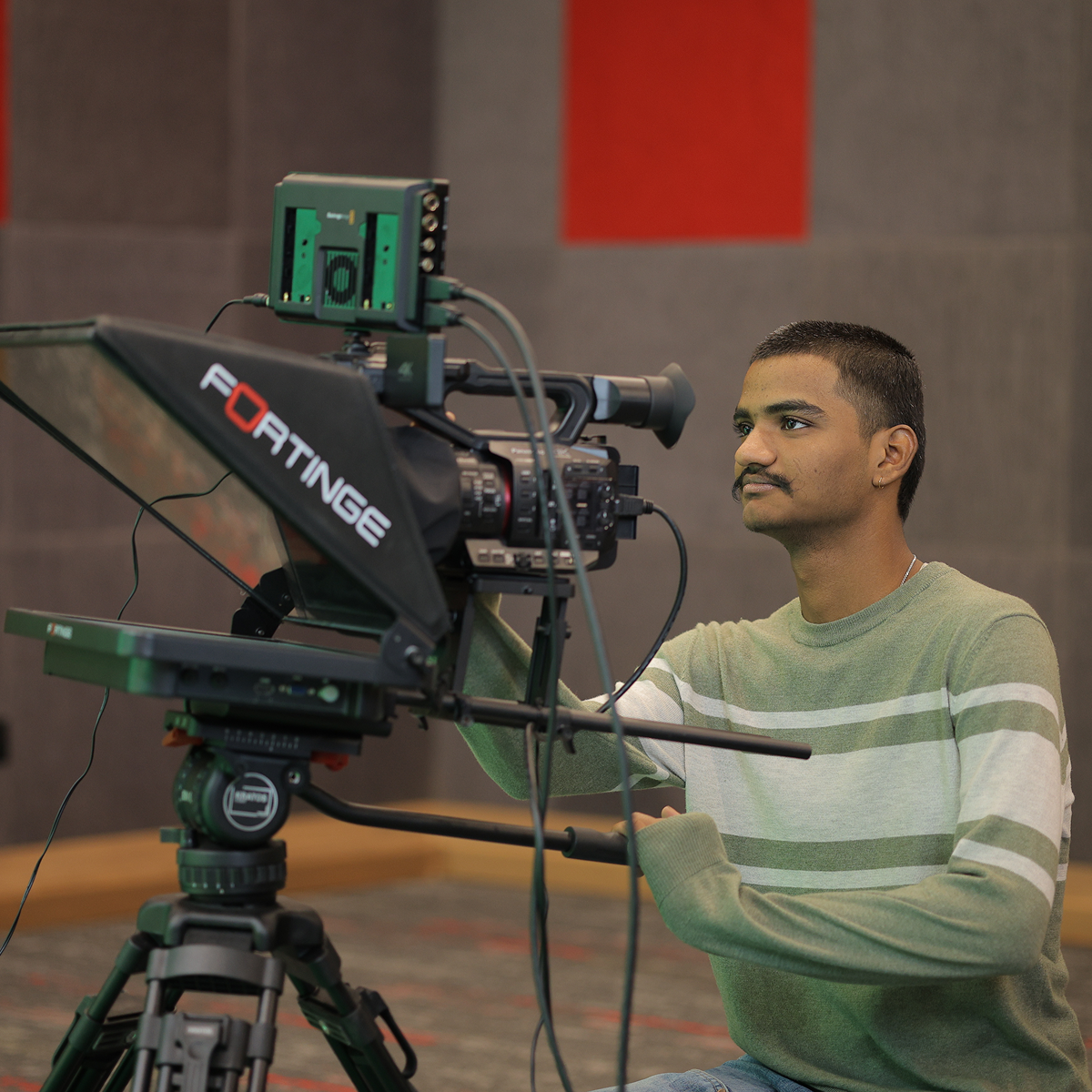
Students gain hands-on experience using industry-standard media infrastructure designed to support contemporary media production and experimentation.
Facilities include:
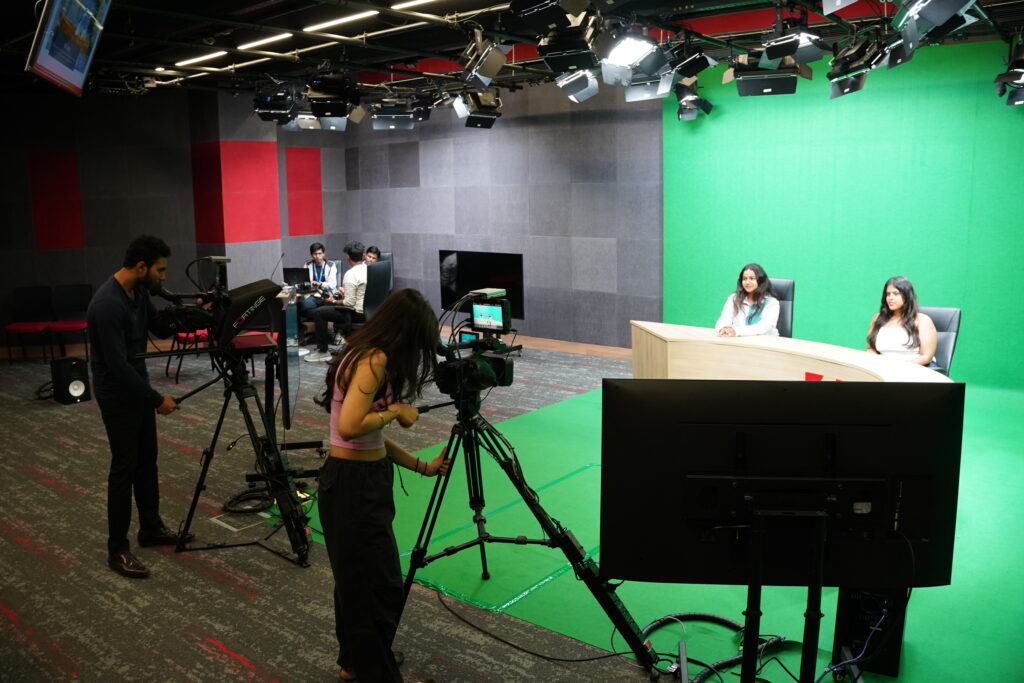
- A spacious audiovisual studio floor with a production control room (PCR)
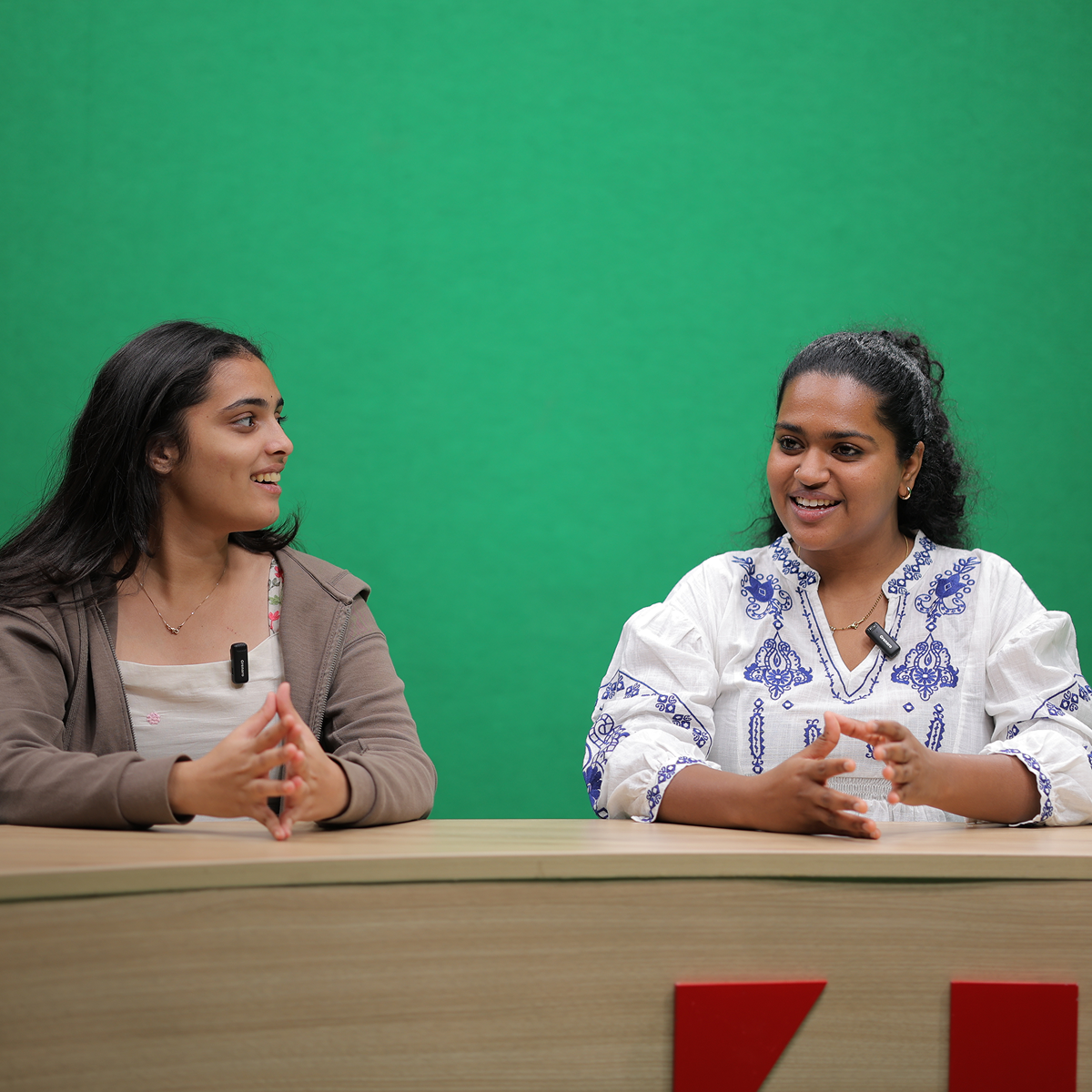
- Greenscreen and conventional studio sets
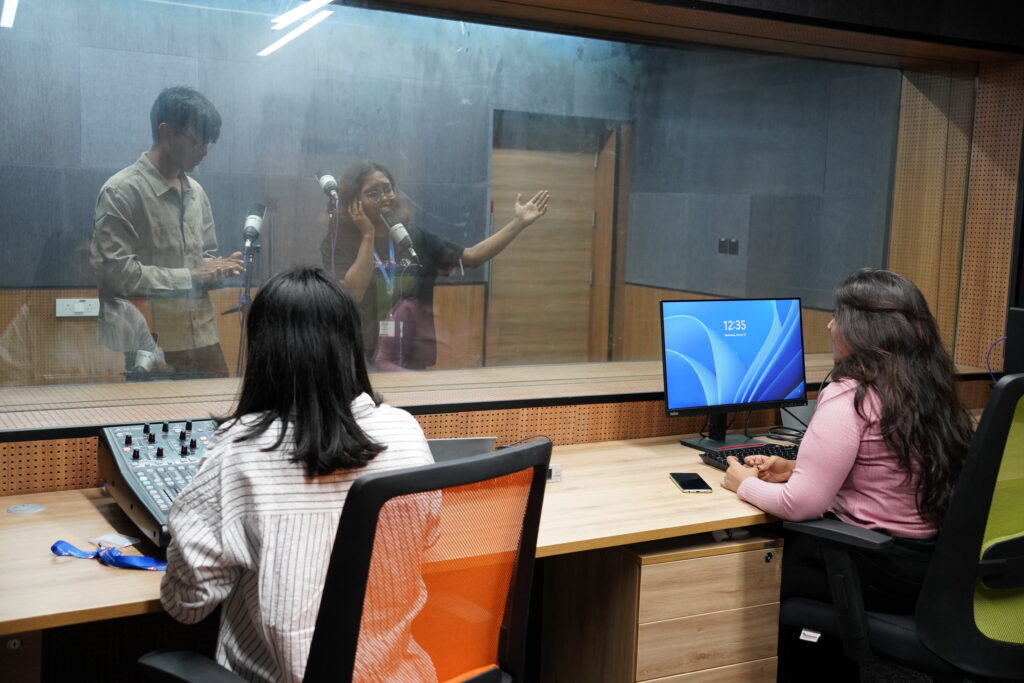
- A dedicated audio production studio
- A MoJo (mobile journalism) studio with cyclorama
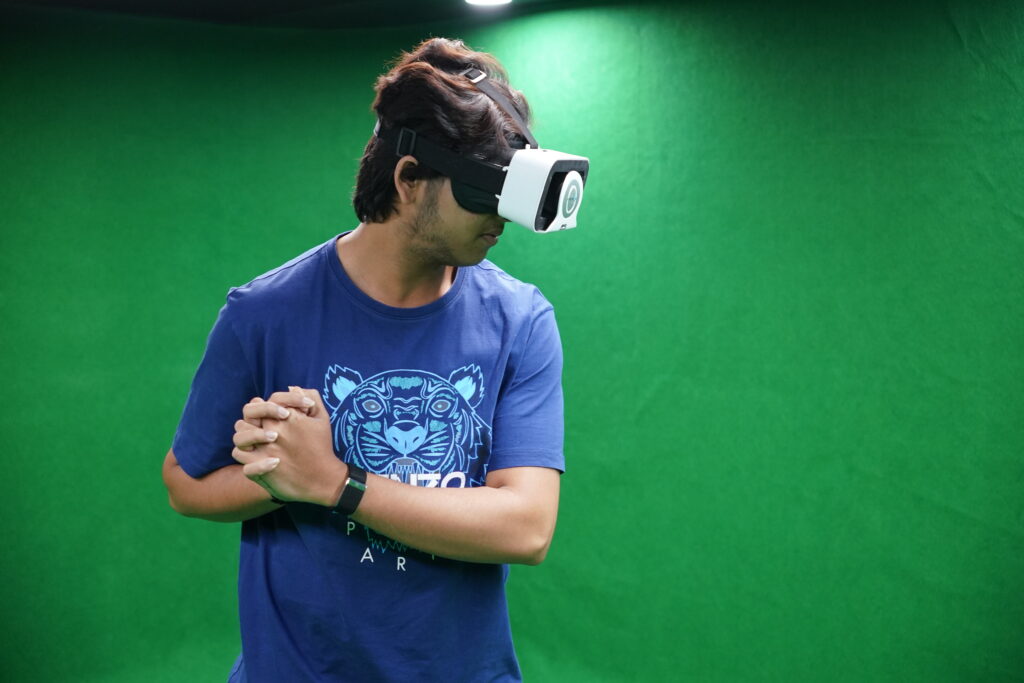
- An immersive media studio floor equipped for VR and XR production
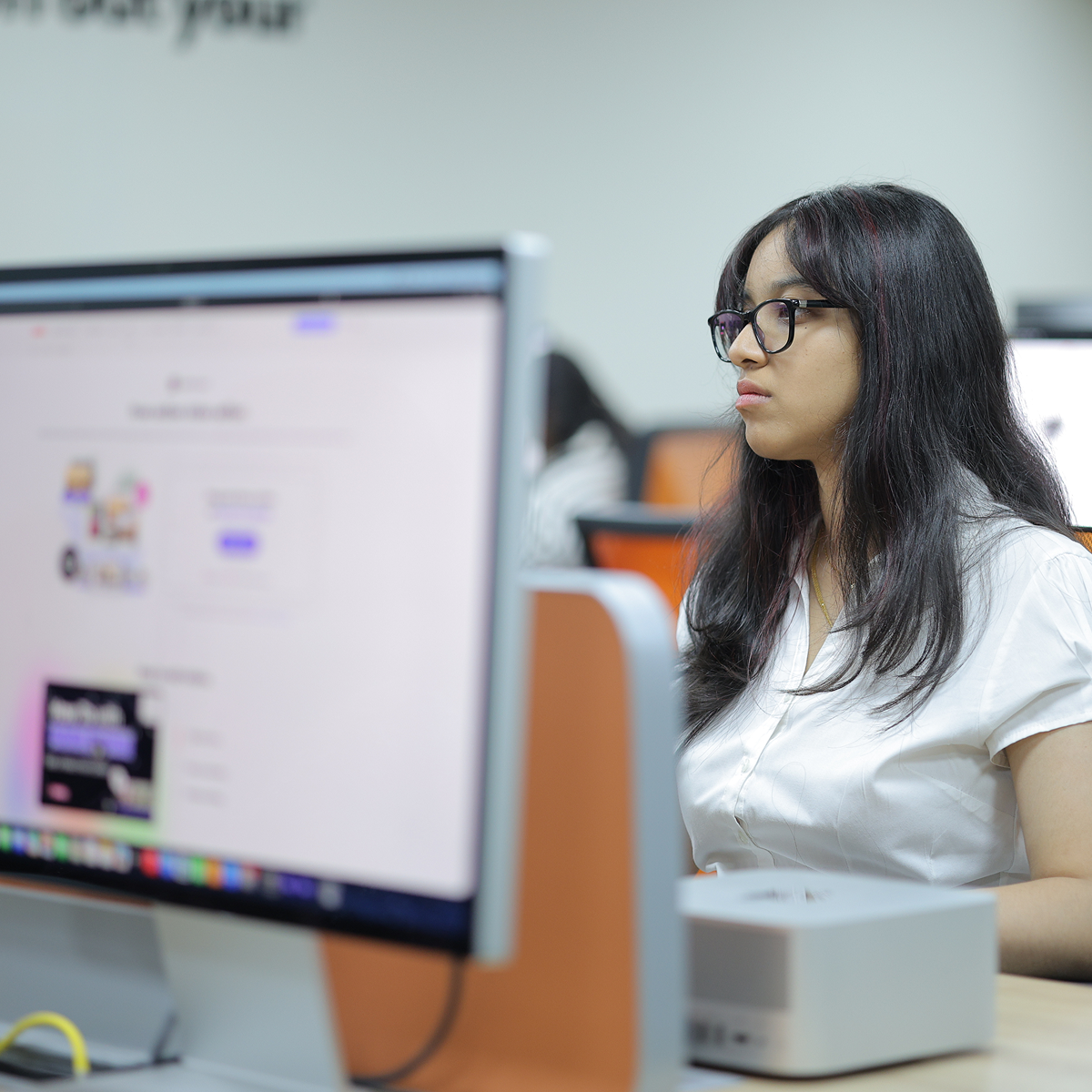
- Editing suites and fully equipped computing laboratories
These facilities allow students to work with professional tools and workflows while producing content across journalism, digital media, film, and immersive storytelling formats.
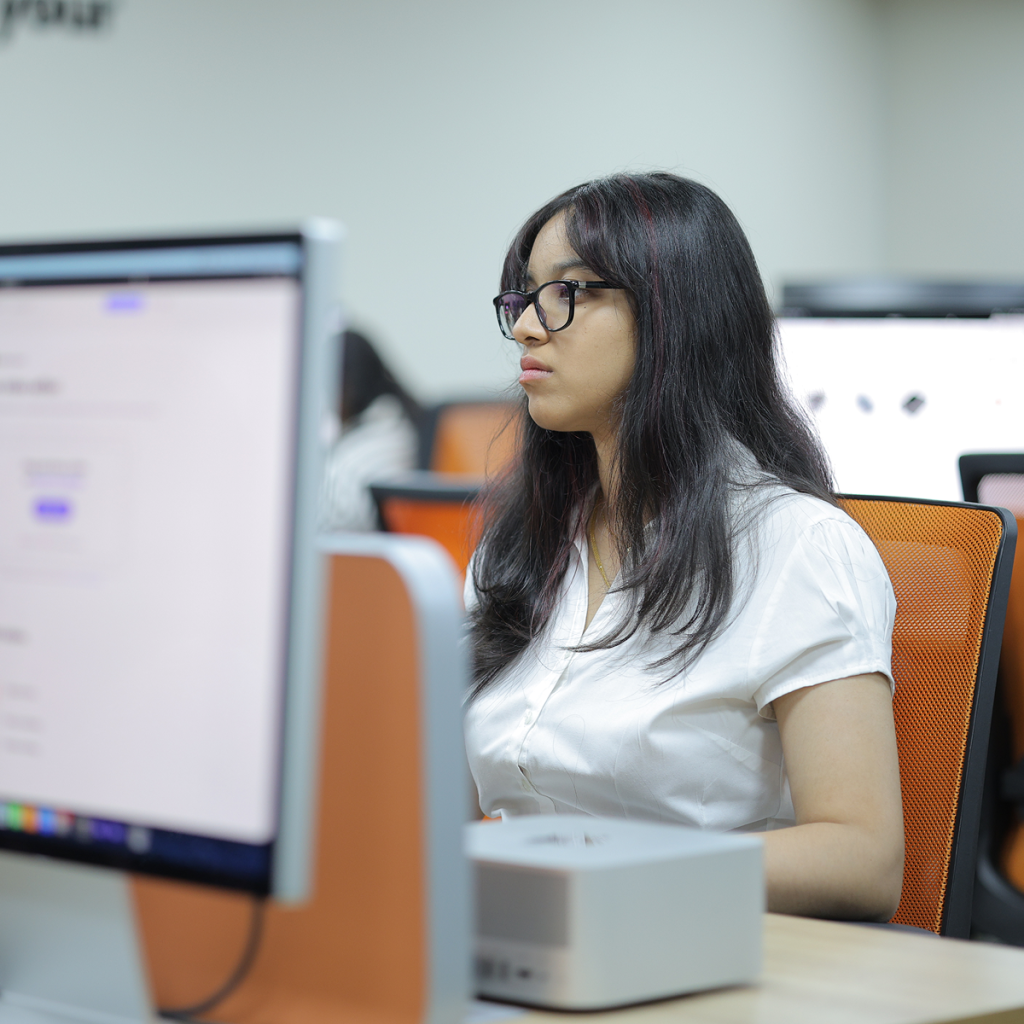
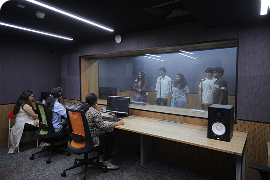
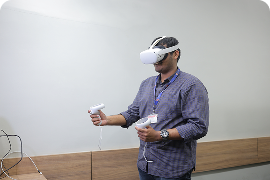
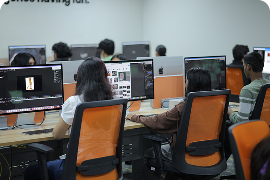
Practical experience is an integral part of the academic journey.
Students participate in structured industry exposure through multiple internships and field experiences.
Social Sector Internship
Each programme requires students to undertake a one- to two-month internship with a social sector organisation or initiative. This experience introduces students to diverse communities and encourages socially aware communication practices.
Industry Internships
Students also complete two specialised internships of two to three months each with organisations across the media and communication industries.
These may include placements in:
- Newspaper and digital newsrooms
- Television news and production houses
- Digital content and production agencies
- Advertising agencies
- Public relations consultancies
- Corporate communication teams
- Digital marketing agencies
- Event management organisations
- Film and media production companies
- Editing and visual effects studios
- Game design studios
Students may also pursue an optional post-course internship aligned with their professional interests.
Media Entrepreneurship
As an alternative to one internship, students may undertake a media entrepreneurship project, where innovative communication ventures are developed and presented to industry experts and potential investors.
Mahindra University maintains partnerships with leading universities and institutions around the world, creating opportunities for international exposure and collaborative learning.
Partner institutions include:
- University of Florida, USA
- Virginia Tech, USA
- La Trobe University, Australia
- Frankfurt School of Finance and Management, Germany
- École Centrale, France
- Southern Illinois University, Carbondale, USA
Students may participate in short-term international courses, collaborative academic programmes, and specialised global learning experiences.
For example, students may join a cohort that travels to Cornell University in the United States for a four-week programme in media entrepreneurship, which includes academic sessions, cultural engagement, and industry exposure in New York City.
The programme structure also allows flexibility for students to pursue international academic experiences, fellowships, or online courses during advanced stages of their studies.
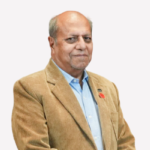
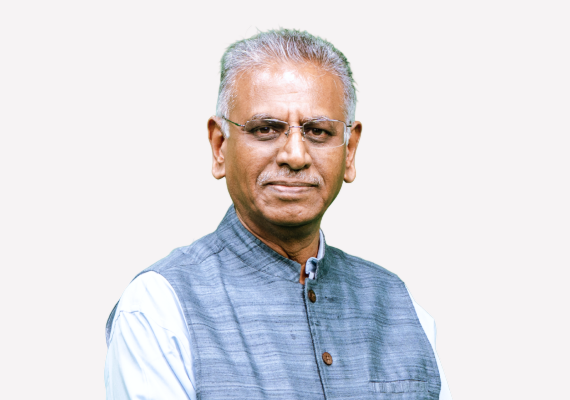
Professor & dean
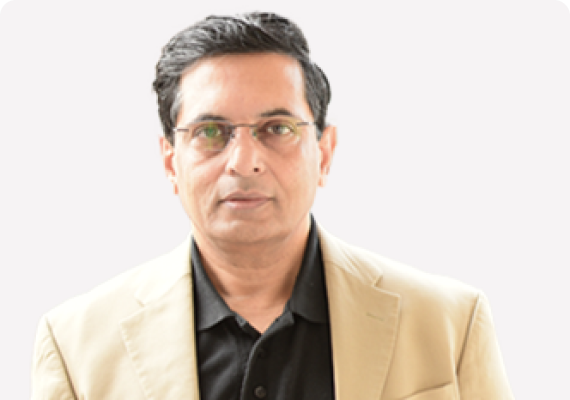
Shashidhar Nanjundaiah
Meet the faculty
Our faculty combines academic depth with real-world expertise, guiding students through both fundamental theory and applied innovation.
Gallery
FAQs
Not mandatory, but recommended for candidates applying to the computation and media programme.
After the foundation semesters, students can specialise in journalism, media production, or communication management.
Yes. Partnerships include media houses, production studios, and digital agencies for internships and live projects.
Facilities include AV production studios, editing bays, a newsroom simulation space, a VR/AR lab, and a content lab.
Yes, provided they have relevant academic or professional experience and a strong research proposal.
