





School of
 Innovation
We prepare tomorrow’s designers to solve real-world problems through creative thinking, technical skills, and industry exposure, backed by a strong design foundation
Why choose School of Design Innovation?

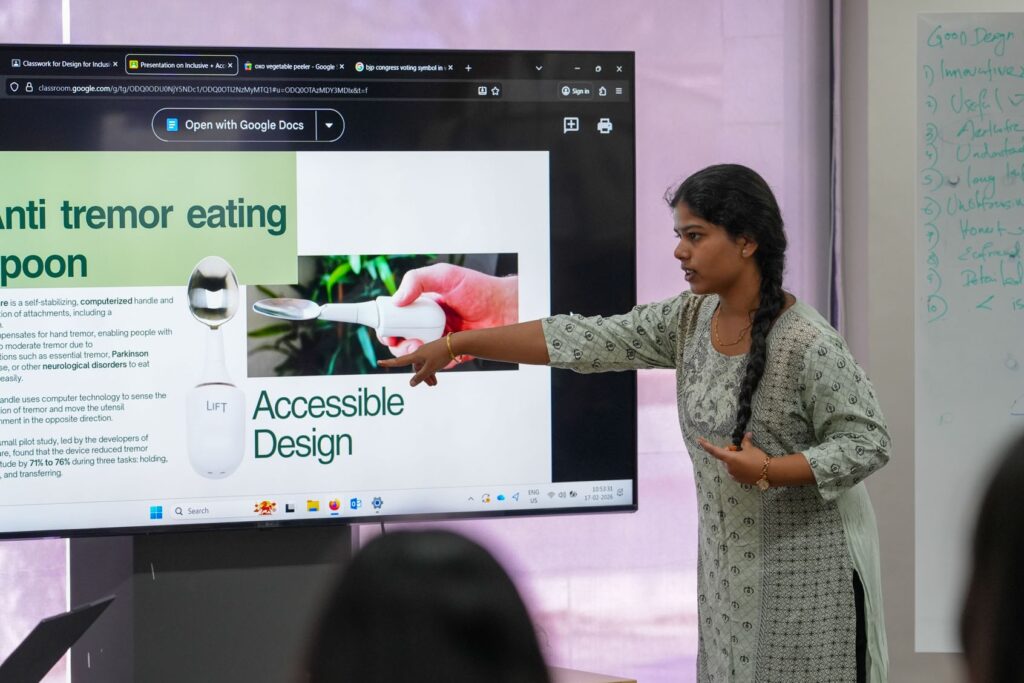
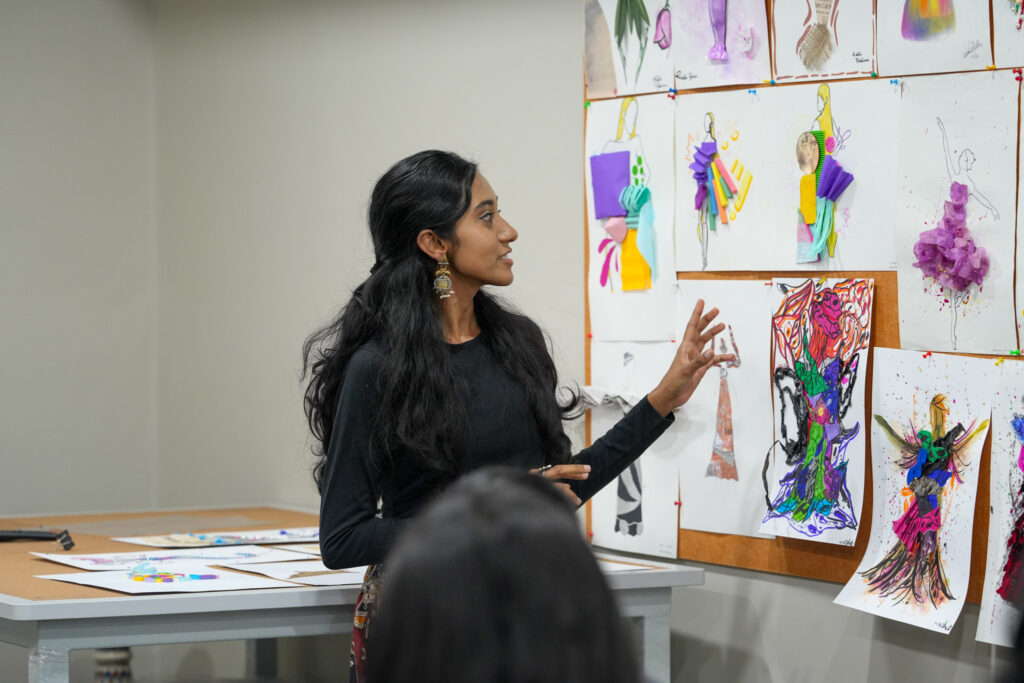
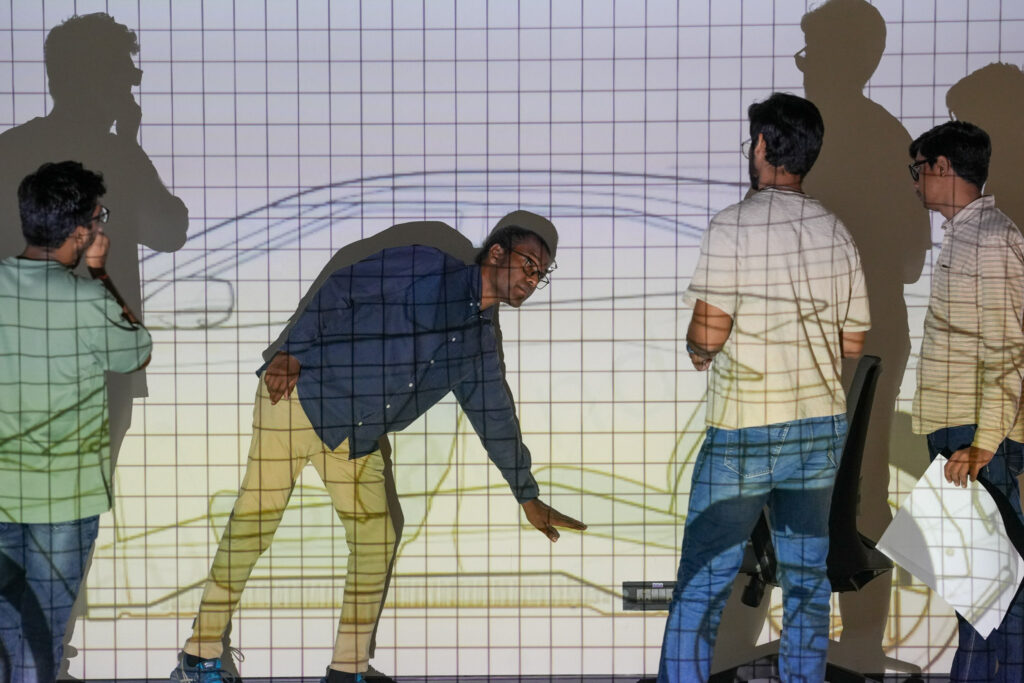
Project-driven learning
Studio-based assignments using tools like CAD, prototyping, and motion design

Interdisciplinary foundations
All students begin with a core curriculum before selecting a design specialisation

Technology-equipped labs
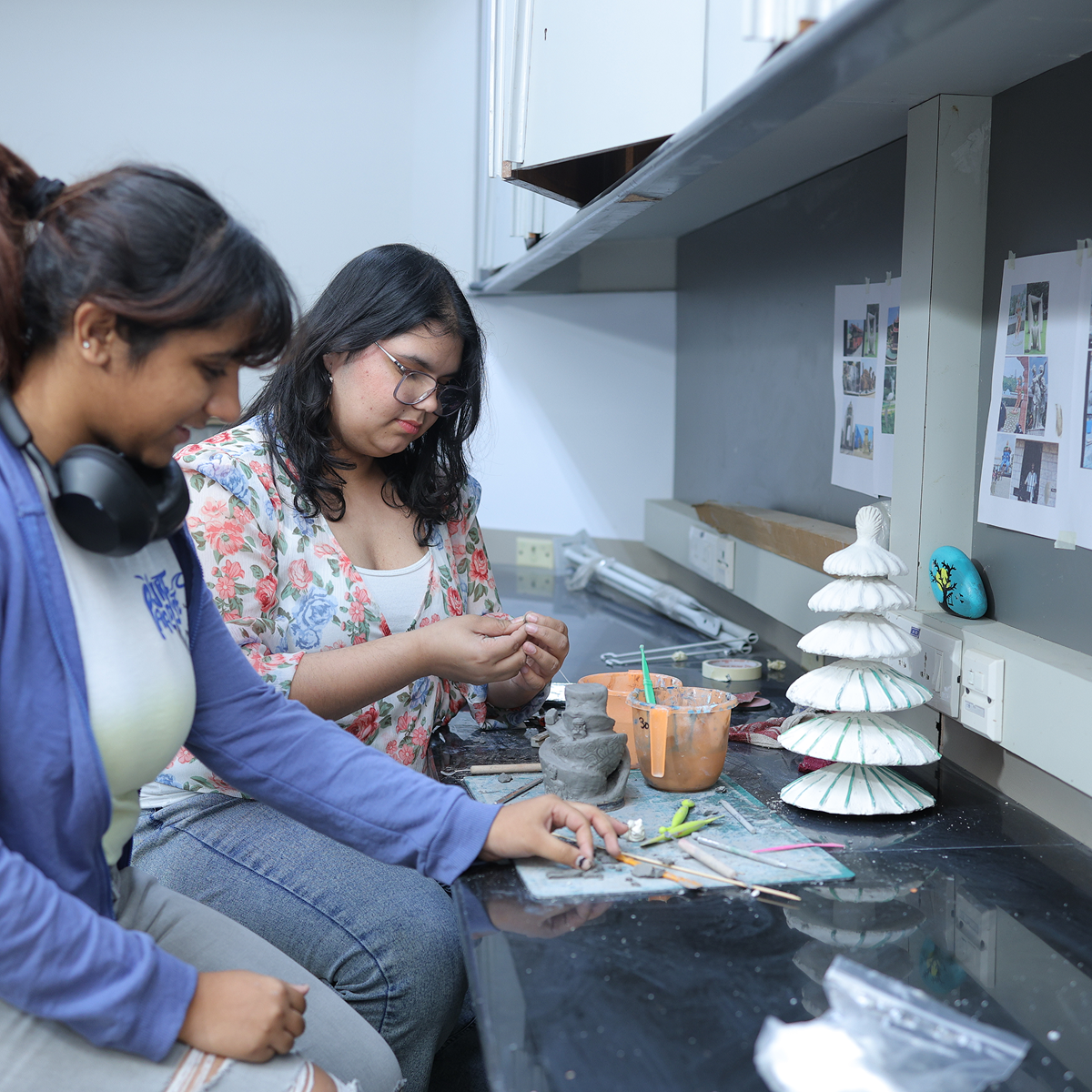
Access to facilities for AR/VR, wearables, 3D printing, and animation

Design for impact
Programmes encourage entrepreneurship and market-oriented design thinking
About School of Design Innovation
Mission
The school of design Innovation at Mahindra University is dedicated to nurturing designers to create impactful, human-centred solutions keeping in mind the local cultural practices and systems. The School’s focus is to encourage entrepreneurship and sustainability, to drive innovation that works for people, deliver real-world benefits, and inspires future-ready designers. The school’s endeavour is to create innovative leaders who will shape industries, communities, and economies for a better world.
Vision
The school of design innovation at Mahindra University envisions a world where designers drive meaningful change. They solve real-world problems and create transformative solutions. SDI aims to nurture designers who not only understand people but also develop impactful products and services that address societal and industrial challenges. The goal of the School is to foster and groom such young minds to be the future-focused innovative leaders.
School philosophy
Beginnings
Our journey began over a decade ago through a collaboration with École Centrale, where design thinking and media studies courses were introduced as compulsory courses into engineering education.
Design thinking
The emphasis is on teaching Design Thinking for innovation, which is a confluence of understanding the needs of people, creative ideation, technology adoption, crafting solutions and deployment. Design Thinking is all pervasive, providing solutions in disciplines such as the arts, social sciences, law, health, engineering, business, and others.
An interdisciplinary hub
As an interdisciplinary hub, SDI seamlessly integrates with multiple schools across the university, like Management, Entrepreneurship, Engineering, etc. fostering a holistic learning ecosystem.
Team-work & collaborations
Mahindra University promotes teamwork among students from various fields to tackle real-world challenges. The humanities help in understanding people’s needs, while the School of Design Innovation drives creativity through design thinking. The entrepreneurship program focuses on testing and validating ideas, and the engineering department assists in building prototypes. Together, all these departments collaborate to find effective solutions to problems.
Design innovation paradigm
Design Innovation finds innovative solutions to consumer needs, explores contemporary technologies, and create new businesses or solve problems in current industries. It germinates from a deep commitment to serve people for both physical and psychological needs
Idea to impact
SDI design methodology follows the Innovation by Design paradigm, where design thinking exists in a continuous, reciprocal loop like a Möbius strip- ensuring that the process and the outcomes are seamlessly interconnected and continuously refined.
Well equipped labs & studios
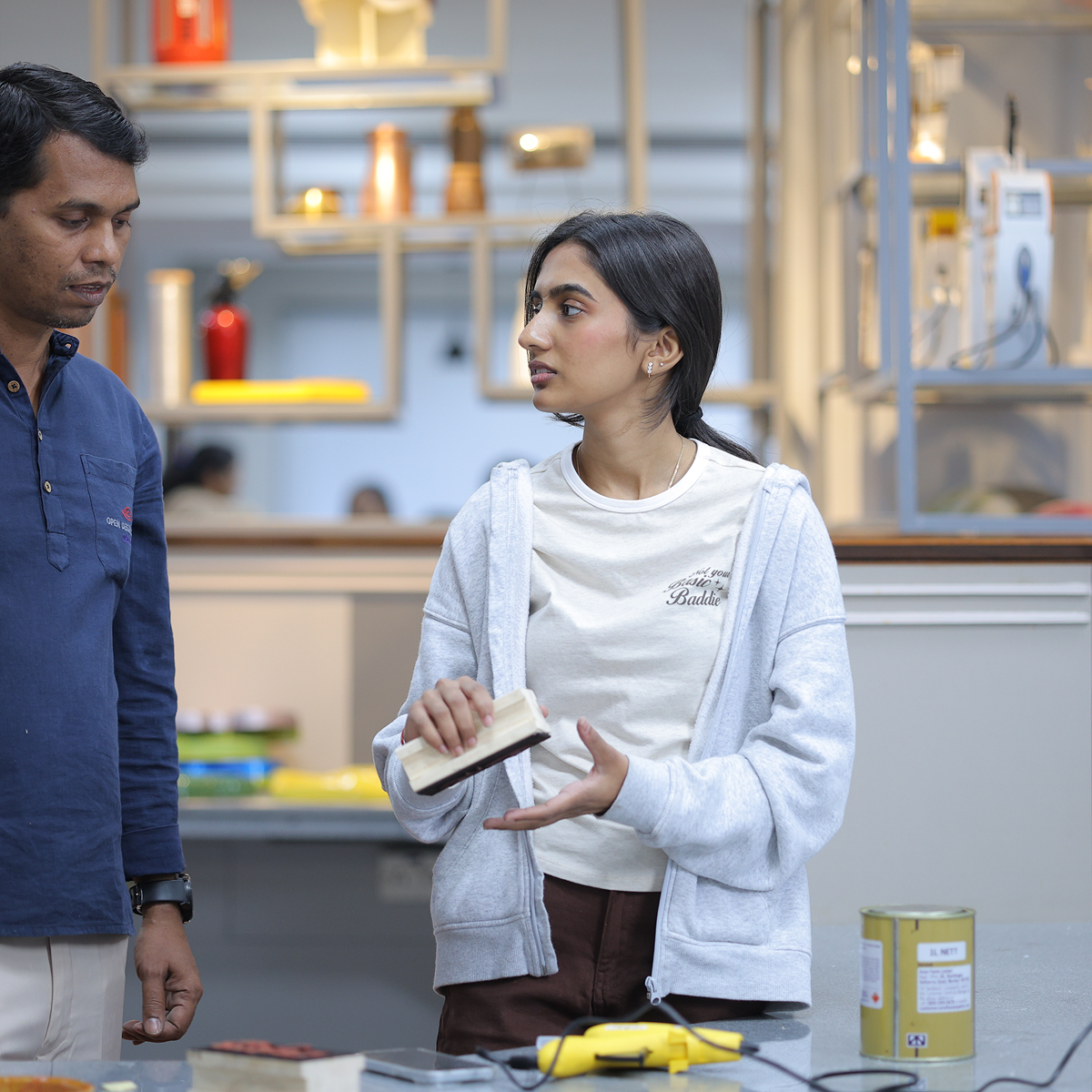
The university has well equipped labs and studios with trained staff to nurture and guide students through these learning components, which spread across disciplines, leading to Innovation.
Experienced design faculty
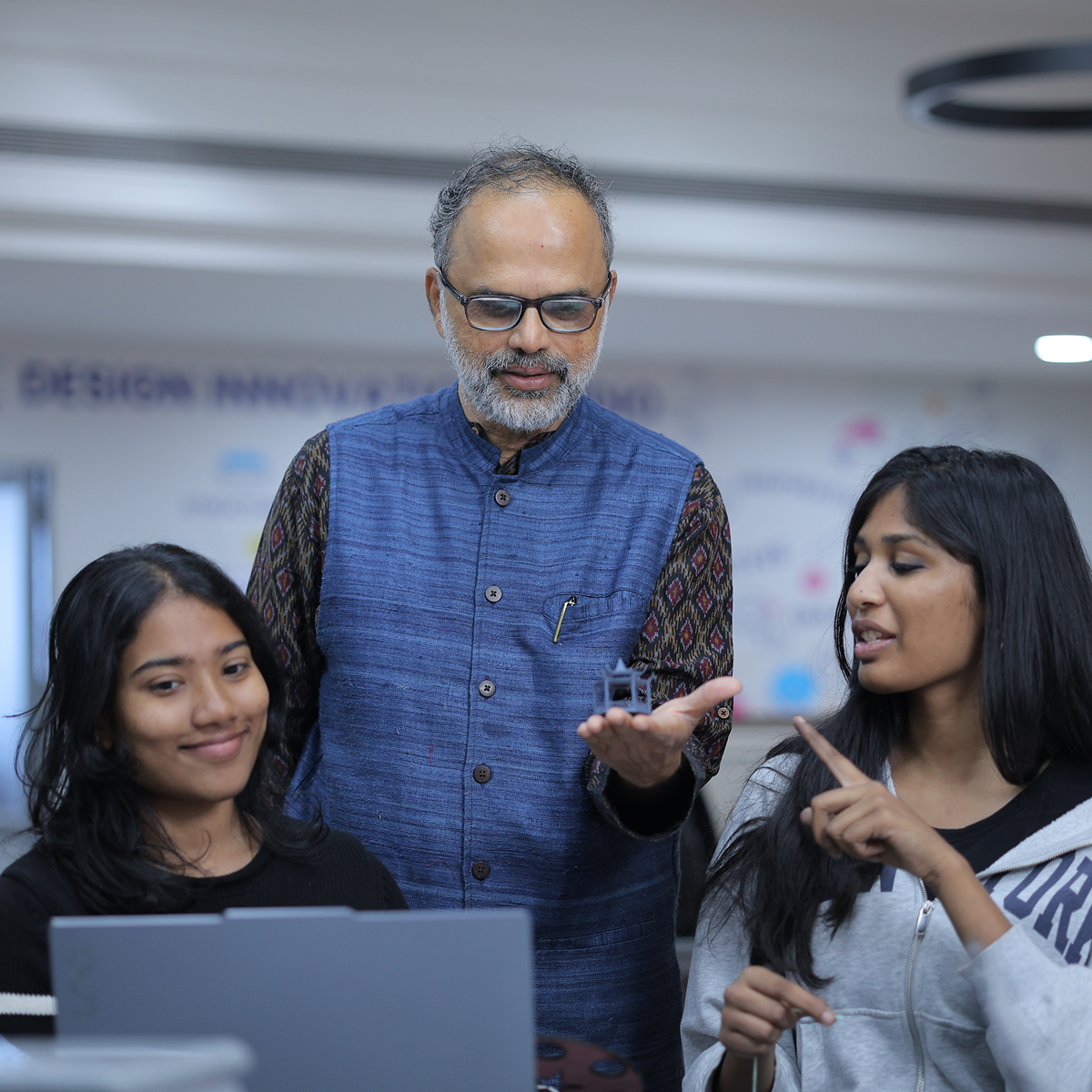
The School of Design Innovation will be mentored by the best design brains from across the world. This pursuit of design excellence is bolstered by a partnership with the Pininfarina Design Academy in Torino, Italy and Shenoy Innovation Studio IDC IITB. The School of Design Innovation offers an immersive learning experience with expert-led online and offline lectures, one-on-one mentoring, and teamwork-driven projects. Enriched with field visits, cross-cultural art, and design boot camps, the program prepares students for real-world impact.
Present state/challenges: the apparel industry faces challenges in sustainability, fast fashion waste, and ethical production, as rapid consumer demand pressures brands to compromise on environmental and social responsibility.
Future direction: the future of apparel design is moving towards circular fashion, where AI-driven customization, biodegradable materials, and 3D-printed garments will redefine sustainability, reducing waste and promoting ethical production.
- Fashion & textile design: garment and fabric innovation, aesthetics, and creative expression.
- Digital & smart wearables: AI-driven fashion, 3D designs, and technology-integrated clothing.
- Sportswear & functional apparel: performance-driven clothing for athletics, workwear, and extreme environments.
- Fashion business & branding: retail, merchandising, marketing, and entrepreneurship in apparel.
- Adaptive & inclusive design: clothing for diverse body types, disabilities, and gender-neutral fashion.
- Costume & experimental fashion: film, theatre, avant-garde, and conceptual fashion exploration.
- Pattern making & garment construction: technical skills for translating designs into wearable products.
- Sustainable & circular fashion: eco-friendly materials, zero-waste design, and ethical production.
- Luxury, couture & ethnic wear: high-end craftsmanship, traditional textiles, and cultural fashion.
- Trend forecasting & consumer behaviour: predicting future trends using data, AI, and market insights.
Present state/challenges:
communication design faces challenges in information overload, digital saturation, and shrinking attention spans. Designers must create content that is both visually compelling and easily digestible.
Future direction:
the future of communication design will be shaped by AI-generated content, immersive storytelling (AR/VR), and personalized, data-driven visual communication. Ethical design, accessibility, and inclusivity will play key roles in shaping the next era of media and branding.
- Graphic design: focuses on visual content creation for print and digital media, including logos, brochures, posters, and websites.
- Motion graphics design: involves creating animated visual content for use in videos, presentations, websites, and other digital platforms.
- Advertising design: focuses on creating visual content for advertisements across various media, including print, digital, and outdoor advertising.
- Information design: specialises in presenting complex data and information in a clear and understandable manner, often through infographics, charts, and diagrams.
- Animation design: create compelling visual stories by mastering principles of motion, character development, and industry-standard digital tools.
- Branding and identity design: involves creating a cohesive visual and thematic identity for businesses or products, including logos, colour schemes, and overall brand guidelines.
- VFX: create realistic or stylized imagery by integrating computer-generated elements with live-action footage, covering skills such as compositing, 3D animation, tracking, and simulation techniques.
- Illustration: involves creating original artwork for use in books, magazines, advertisements, and digital media to visually convey messages or stories.
- Film and video design: courses and subjects in film and video design typically cover storytelling, cinematography, scriptwriting, editing, sound design, motion graphics, visual effects (VFX), animation, and media production.
- Social media design: understanding new digital tools and its application in social media.
Present state/challenges:
industrial design is evolving with a strong focus on sustainability, user-centric innovation, and material efficiency. Challenges include overproduction, environmental impact, and the need for circular economy practices.
Future direction:
the future of industrial design lies in biodegradable materials, AI-driven optimization, and modular product design. Human-centred innovation, powered by IoT and smart manufacturing, will create adaptable, sustainable, and personalized products.
- Product design: involves designing consumer products, from electronics and household items to furniture and appliances, focusing on usability, aesthetics, and manufacturability.
- Furniture design: specialises in designing functional and aesthetically pleasing furniture for residential, commercial, and public spaces.
- Exhibition design: Involves designing displays and fixtures for exhibitions, trade shows, museums, and retail spaces to enhance the presentation and interaction of products or artifacts.
- Lighting design: focuses on designing lighting products and systems that provide effective illumination while also considering aesthetics, energy efficiency, and user comfort.
- Sustainable design: emphasises on designing products with a focus on environmental sustainability, including using eco-friendly materials, energy-efficient processes, and promoting product longevity and recyclability.
- Transportation design: centres on designing mobility solution such as cars, motorcycles, bicycles, trains, water transport and air transport, emphasizing both function and style, as well as a systems design approach
- Packaging design: focuses on creating packaging solutions that are not only visually appealing but also functional, sustainable, and protective of the contents.
- Medical device design: specialises in designing medical and healthcare products, ensuring they are user-friendly, safe, and effective for both patients and healthcare providers.
- Toy and game design: involves creating toys and games that are not only entertaining but also safe, educational, and suitable for their intended age group.
- Interior design: involves creating functional and aesthetically pleasing indoor spaces that enhance comfort, reflect purpose, and meet the specific needs of occupants while adhering to safety standards.
Present state/challenges:
interaction design struggles with balancing usability, inclusivity, and the ethical use of AI-driven interfaces. Many experiences lack true personalization and emotional intelligence.
Future direction:
the future of interaction design will focus on adaptive, AI-enhanced user experiences, gesture-based interfaces, and neuro design (using brain-computer interfaces for seamless interactions). Ethical and human-centred AI will ensure technology serves people intuitively and inclusively.
- User interface (UI) design: designing intuitive digital interfaces and user flows.
- Human-computer interaction (HCI): researching how people interact with digital and physical systems.
- Game design and games studies: coding, development, design, study, level design, character creation of games.
- Service design & systems thinking: mapping user journeys and designing holistic service ecosystems.
- Automotive & transportation UX: human-cantered interfaces for vehicles and mobility solutions.
- User experience (UX): designing intuitive, inclusive, and seamless user experiences.
- Extended reality (XR) design: virtual reality (VR), augmented reality (AR), and mixed reality (MR) experiences.
- Wearable & smart device interaction: designing interactions for smartwatches, fitness trackers, and AR glasses.
- Accessibility & inclusive design: designing for diverse abilities, neurodivergence, and universal usability.
Design studios & labs
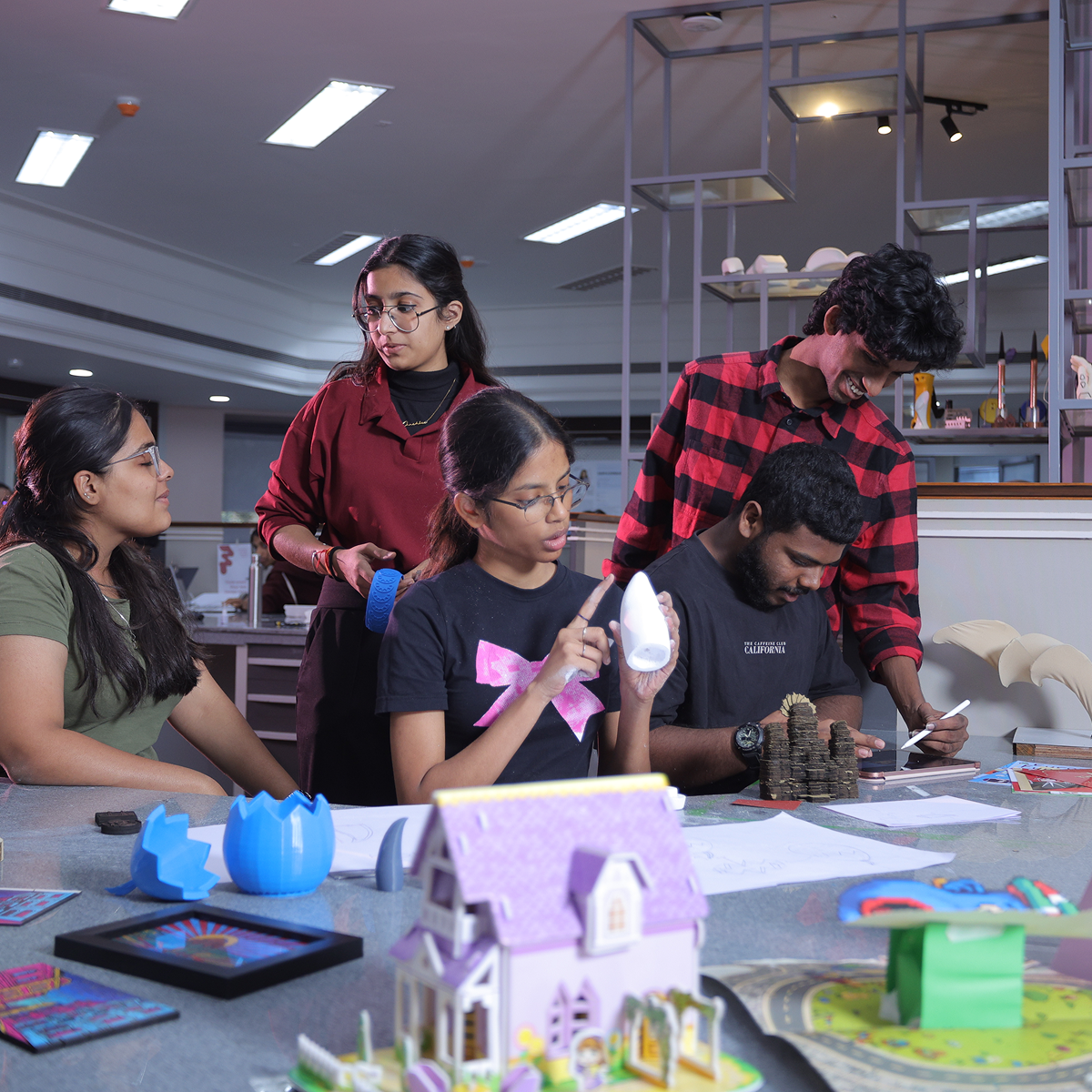
Hands-on spaces where creativity meets innovation
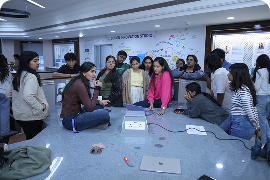
Design studios
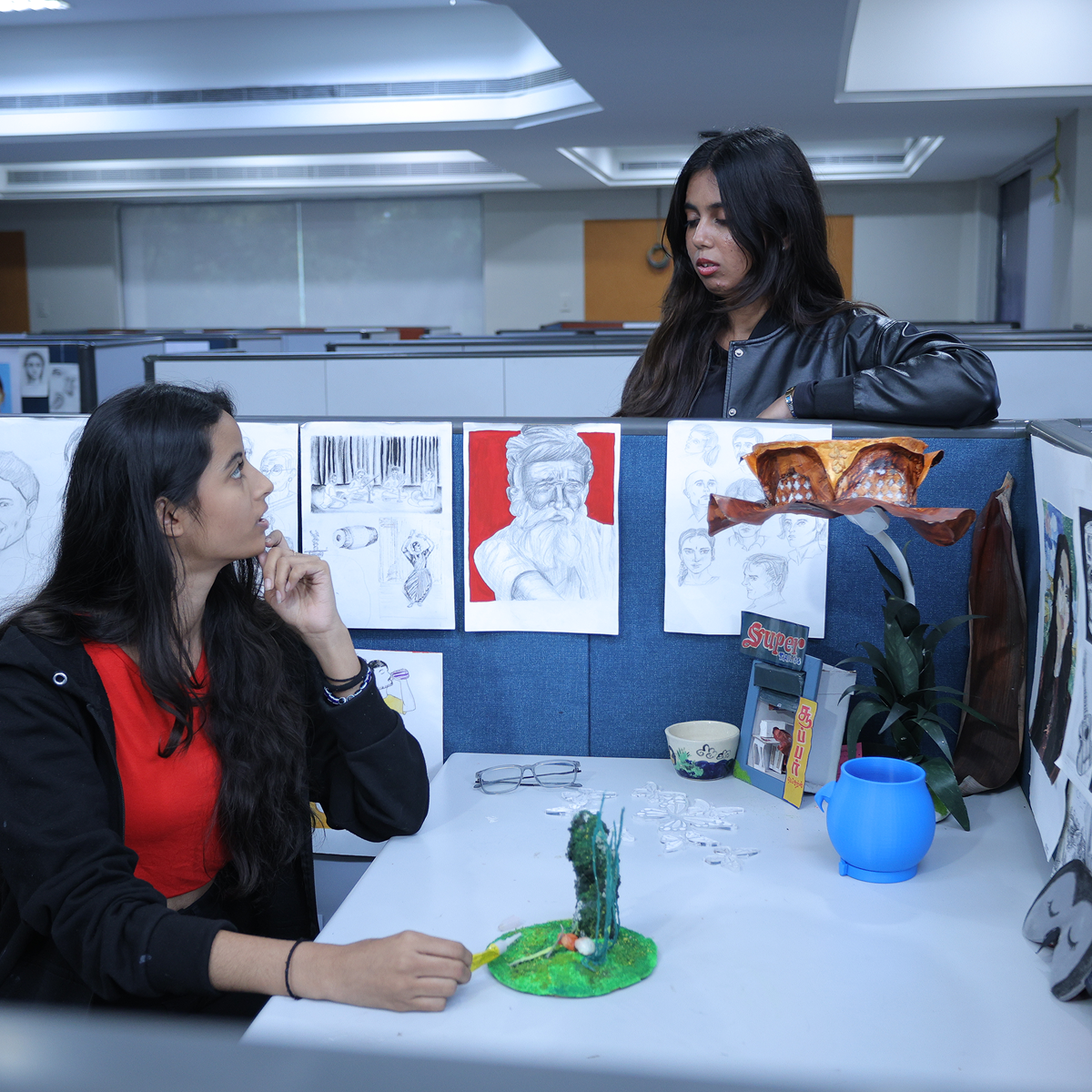
Flexible, creative spaces for ideation and prototyping
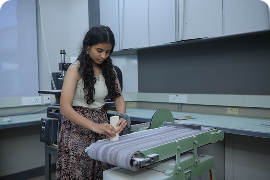
Innovation labs
Tech-equipped environments for hands-on experimentation
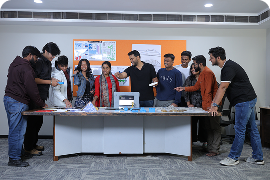
Collaborative workspaces
Areas designed for teamwork across disciplines
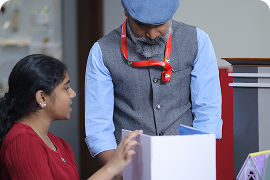
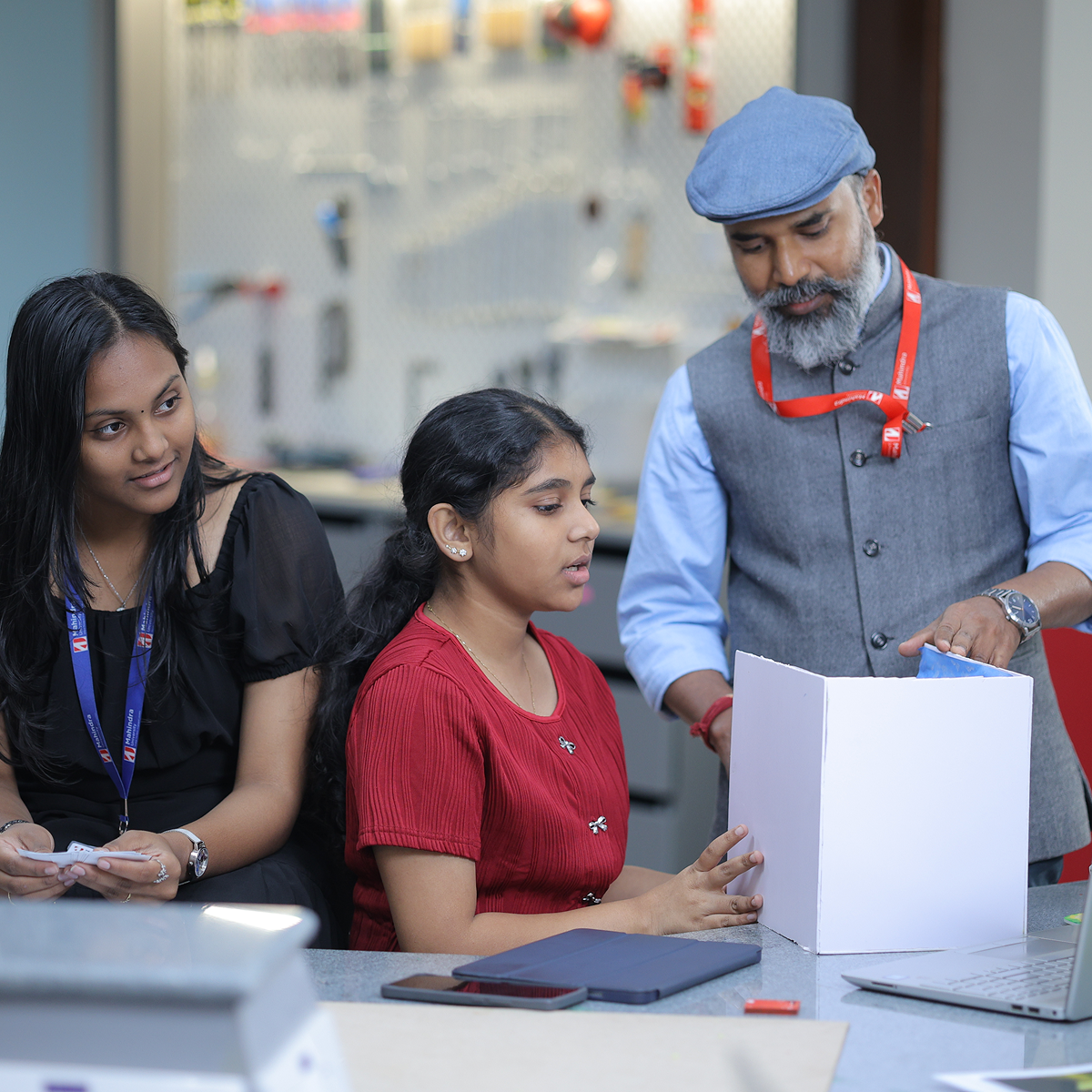
Mentored project zones
Spaces where guided design thinking comes to life
Chakku’s 7 concerns of innovation by design
For the paradigm shift from design to design innovation, the School adopts Chakku’s 7 concerns for innovation by design as a guiding framework to think critically about how design can create value, foster sustainability, and enable meaningful change. Students are trained to recognize that design must deliver tangible outcomes while evoking user delight, positioning empathy and human experience at the heart of innovation. The multiple courses of B.Des and M.Des programs align with these concerns while the students work on their assignments and thesis projects.
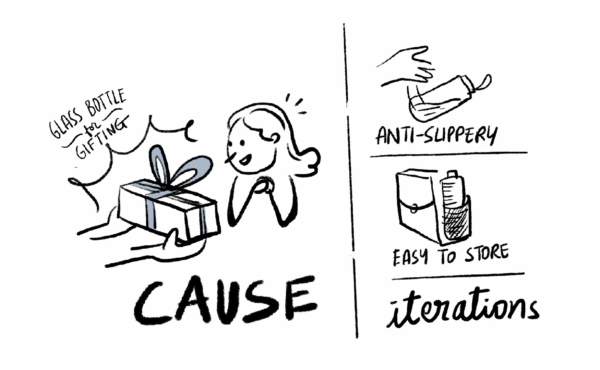
1st C: Cause
The resolve to solve a problem
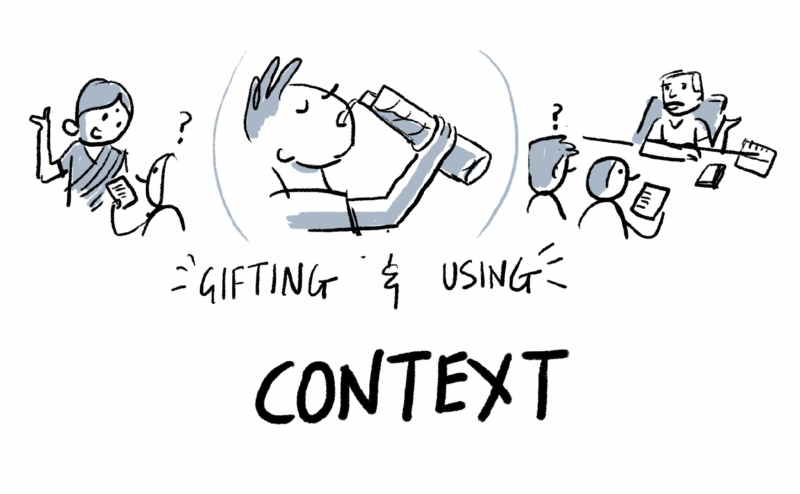
2nd C: Context
Understanding the problem space & environment
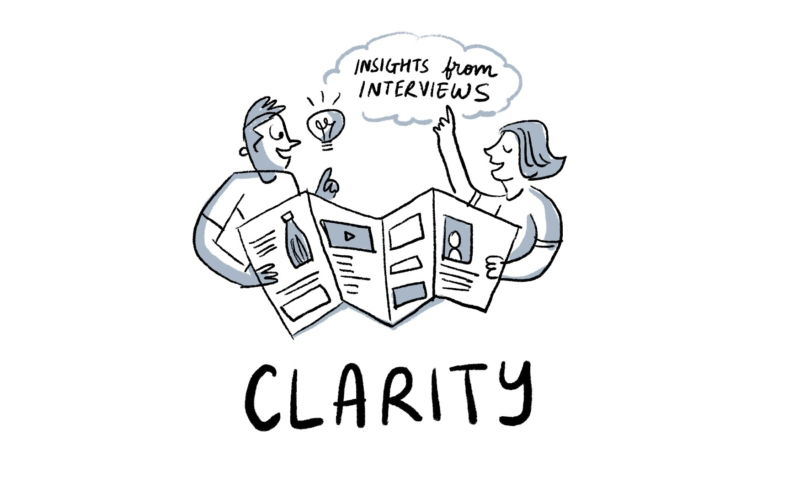
3rd C: Clarity
Arriving at design insights
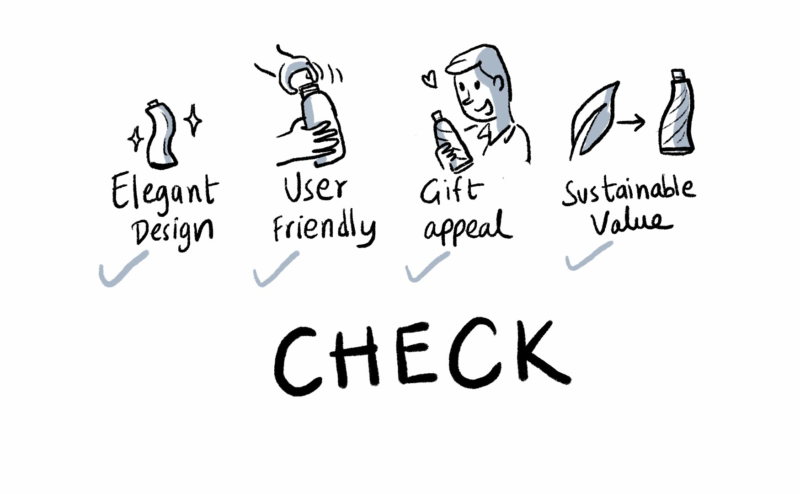
4th C: Check
Creating a project brief
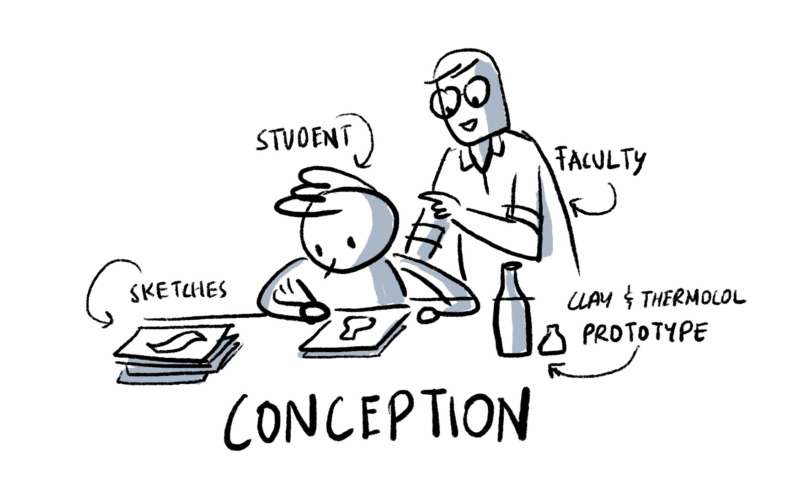
5th C: Conception
Generating ideas and concept
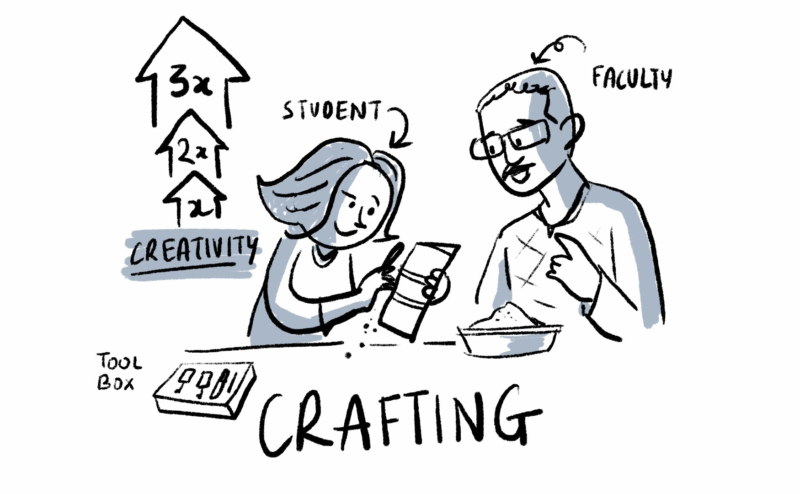
6th C: Crafting
Building mock-ups and prototypes
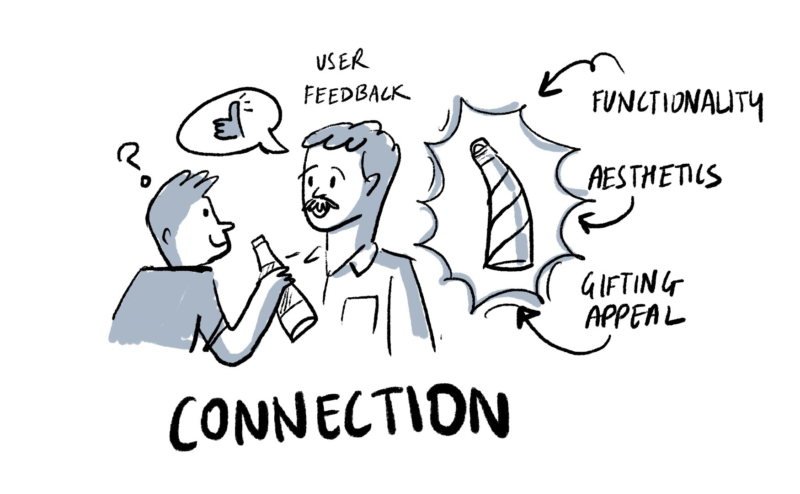
7th C: Connection
Delighting the user
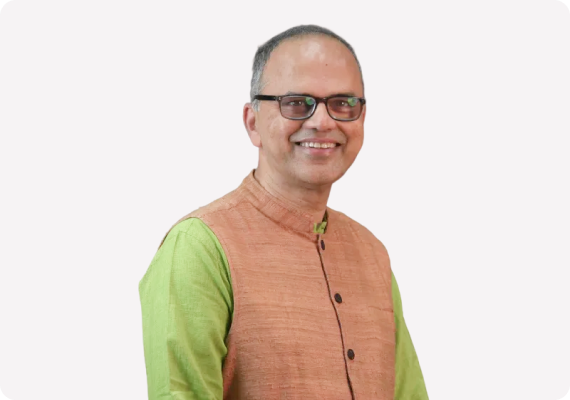
Professor & dean
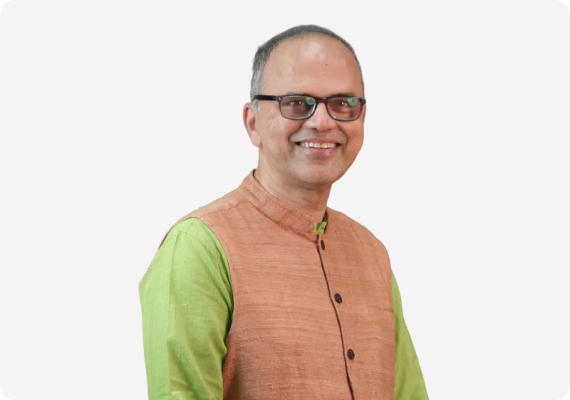
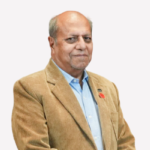
B. K. Chakravarthy
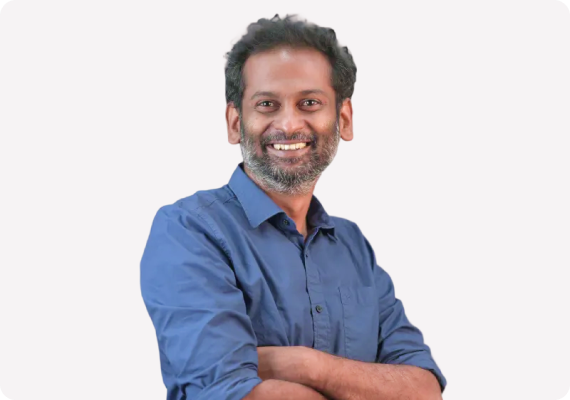
Meet the faculty
Our faculty combines academic depth with real-world expertise, guiding students through both fundamental theory and applied innovation.









Research at school of design innovation
Design innovation research tribe (DIRT)
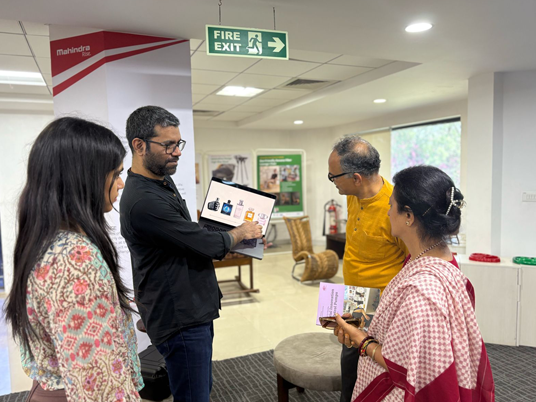
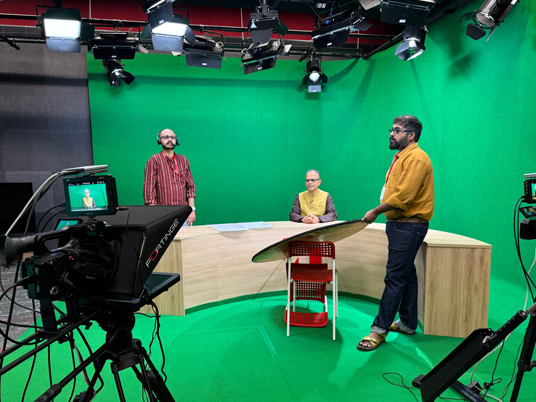
School of Design Innovation’s News and Events showcases design engagements highlighting the moments of creativity, collaboration, and innovation from workshops, industry interactions, and student-led initiatives. Explore how ideas take shape and come to life!

Research directions of DIRT scholars
Developing Innovation Pedagogy using AI for MOOCs
P. Kumaresan
Guides: Dr. Chaitanya Solanki, Prof. Ravi Poovaiah
This research explores integrating Artificial Intelligence into MOOCs to develop an innovation pedagogy that enhances learner engagement, personalization, and creativity. It aims to design adaptive, scalable, and outcome-driven learning frameworks that foster critical thinking and innovation, transforming digital education for diverse learners in the 21st-century knowledge economy.
A Framework for Rich Media in Online Education: A Psychological, Cognitive and Emotional Study
Prakash Narkhede
Guide: Dr. Herold P.C.
This research explores how rich media motion graphics, interactive multimedia, and AI tools impact cognitive load, emotional engagement, and learning efficacy in design education. Using a practice-based approach, it examines how multimedia environments enhance retention, creativity, and the effectiveness of AI-driven feedback in online design learning.
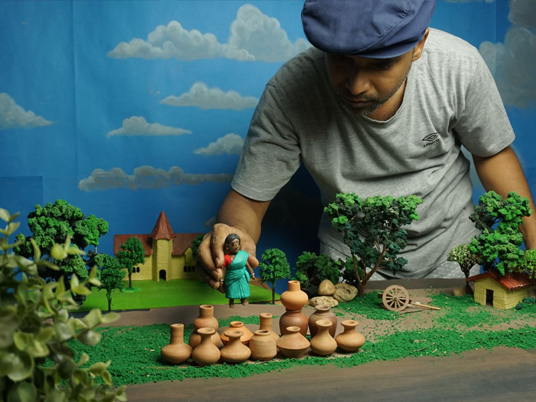
Developing a Framework for Teaching Stop Motion Animation using AI Tools/Agents
Bhanu Prakash
Guide: Dr. Chaitanya Solanki
This research explores using AI to streamline stop-motion animation while preserving its handmade aesthetics. It develops a practice-based pedagogy for design students and investigates AI’s role in empowering Indian artisans through digital platforms. The project aims to blend tradition and technology, promoting handicrafts via innovative animation and sustainable toy alternatives.
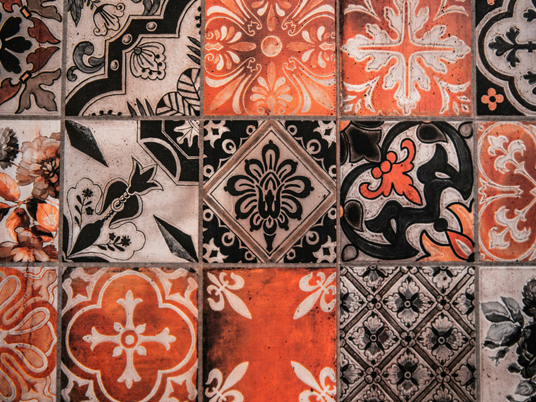
An Investigation into Architecture Motifs in India Textiles: Cultural and Aesthetic Sensibilities
Sayoni Laha
Guide: Dr. Chaitanya Solanki
This research examines how architectural motifs from Mughal jaalis to temple gopuram details—are reflected in traditional Indian textiles like Banarasi, Pochampally, and Kanchivaram. It explores the historical continuity, artistic evolution, and future relevance of these designs, highlighting the deep connections between Indian architecture and textile aesthetics in contemporary design.

Reframing Sketching: Evolving Design Education for an AI-First Environment
Mandar Kale
Guide: Dr. Herold P.C., Prof. Uday Athvankar
This research explores how AI tools influence the cognitive and creative processes of Gen Z and Gen Alpha design students. Using practice-based methods and hybrid research, it aims to develop a toolkit that enhances originality, value, and satisfaction in design education amid hyper-connectivity, instant access, and AI-driven creative workflows.
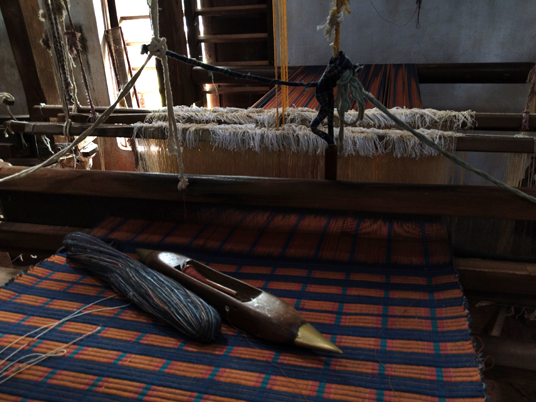
Developing a Framework for Traditional handlooms to Adapt to Mainstream Market.
Akshaya Manoj M P
Guide: Dr. Herold P.C.
This research explores integrating Indian Knowledge Systems with modern science to address ecological, social, and economic challenges. Rooted in traditional sustainable practices, it aims to develop adaptable solutions for a sustainable future, influencing policy, academia, society, and economy through holistic, system-level approaches drawn from India’s rich civilizational wisdom.
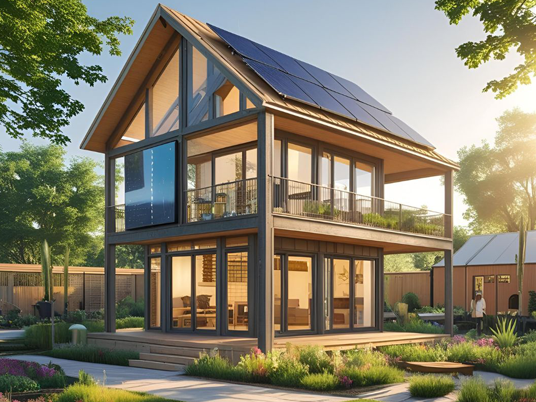
Technological Interventions in Rural Housing: A Sustainable Approach through Indigenous Knowledge Systems
Sai Harshita Abburi
Guide: Dr. Herold P.C.
This research examines sustainable rural housing through technological interventions grounded in Indigenous Knowledge Systems. It aims to integrate traditional building practices with modern innovations to create eco-friendly, cost-effective, and culturally appropriate housing solutions, promoting resilience, and environmental sustainability in rural development.
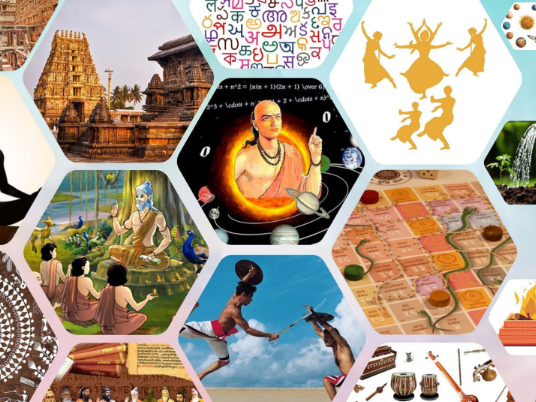
Architecting Public Policy Frameworks through Indian Knowledge Systems
Arpit Awasthi
Guide: Dr. Chaitanya Solanki
This research applies Civilizational Design Thinking to develop adaptive public policy rooted in Indian Knowledge Systems. Integrating texts like Arthashastra with Nudge and Game Theory, it aims to align governance with India’s ethos, fostering culturally resonant, strategic, and equitable solutions for achieving the Viksit Bharat 2047 vision.
Team
Prof. B K Chakravarthy

Dr. Chaitanya Solanki

Dr. Herold P. C.
Gallery
FAQs
Yes. Applicants must submit a portfolio with sketches, models, or digital work.
Students choose from Industrial, Communication, Interaction, or Apparel Design in years 3 to 4.
Yes. Students collaborate with Pininfarina, IIT Bombay, Shenoy Innovation Studio, and other partners.
Facilities include 3D prototyping labs, an AR/VR studio, an animation suite, and a smart textiles workshop.
Yes. Applicants with allied master’s degrees may apply with a strong research proposal.
